

Photographs from the Ground Offer Hope of Restoring Fallen Soldiers’ Names
Translated from Vietnamese and summarized by DistantNews. Read the original for the full story.
At a glance
In-depth
Named sources
Outcome reported
- Team K72 recovered the remains of 26 fallen soldiers and hundreds of personal items in Minh Duc commune during July and August 2026.
- Items included engraved pens, photographs, documents and other belongings that may help identify the soldiers through DNA testing and testimony from former comrades.
- A restored group photograph helped 74-year-old Dinh Quang Thinh recognize a picture he had kept for nearly 60 years.
A group photograph recovered from a wartime burial site in Minh Duc has given families new hope of identifying soldiers whose remains were found more than half a century after their deaths.
Team K72 of the Dong Nai city Military Command recovered 26 sets of remains and hundreds of personal belongings in Binh Minh hamlet during July and August 2026. The remains were taken to Binh Phuoc Cemetery, where the soldiers received a solemn funeral and burial ceremony on Aug. 13.
Through the excavation, we found many belongings and wallets. Most wallets contained photographs and documents, but after more than half a century underground, the images and information on the papers had faded and decayed.
Many of the remains were incomplete. Search teams carefully separated surviving bone fragments and teeth from the soil and preserved them in the hope that they could support DNA testing. Recovered belongings included an AK rifle, canteens, razors, hats and buttons. Several pens carried engraved names or markings, including “Tien Quy,” “Van Chin,” “Hien” and “KY.”
We hope that after posting these images, many veterans who served with the fallen soldiers here, or who appear in the photographs, will be able to identify the soldiers’ units.
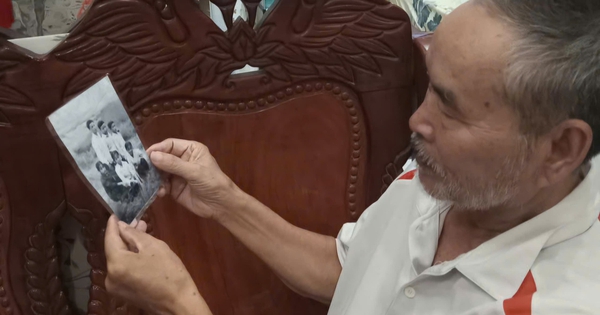
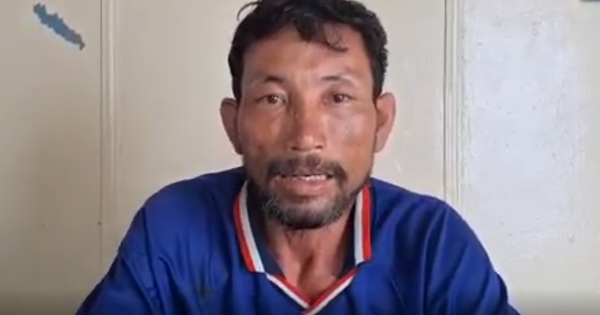
Photographs found inside wallets proved especially valuable. After specialists restored and clarified the images, the Dong Nai military command, Team K72, news organizations and social media users circulated them publicly. One photograph of six people caught the attention of Dinh Quang Thinh, 74, from Khanh Hoa province. He recognized it as nearly identical to a picture he had preserved for almost 60 years. Thinh said the back row showed the fallen soldier Duan, followed by Chinh and himself, while Hoa, Quynh and Loa stood in the front row.
Colonel Nguyen Thanh Phong, political commissar of the Dong Nai city Military Command, said wallets often contained photographs and papers, but decades underground had faded and damaged much of the information. He said publicizing the images could help former comrades identify the soldiers’ units and restore their names.
In the back row, the tallest is the fallen soldier Duan, followed by Chinh and then me. In the front row are Hoa, Quynh and Loa.
About this summary
Originally published by Thanh Niên in Vietnamese. Translated, summarized, and contextualized automatically by DistantNews, with a note on how the source frames the story. Not individually reviewed before publishing. How this works.
More Stories
From Our Blog

What Gets Lost (and Found) When News Is Translated

The Critical Role of Diaspora Media in Global News

What Travellers Should Know About Countries with Restricted Press

A Digital Nomad's Guide to Following Local News

How the Same Story Looks Different in Different Countries
