

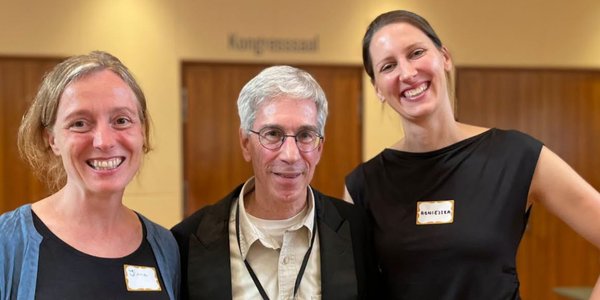

Pilecki Institute Examines German History Textbooks
Translated from Polish and summarized by DistantNews. Read the original for the full story.
At a glance
Analysis
Sources not specified
Context piece
- The Pilecki Institute in Warsaw will host a debate analyzing German history textbooks.
- Experts will examine how these books portray shared and conflicting memories between Poland and Germany.
- The discussion aims to identify practical recommendations for historical education, focusing on language, examples, and source work.
The Pilecki Institute in Warsaw is set to host a debate titled "Berlin in Warsaw," focusing on the analysis of German history textbooks. The event aims to explore the portrayal of Polish-German historical memory within these educational materials, identifying both common ground and points of contention.
Participants, including historians Prof. Eckhardt Fuchs and Dr. Stephan Theilig, analyst Kamil Frymark, and historical educator Alexander Kliymuk, will scrutinize how young Germans learn about Poland's history. They will examine narratives spanning from the tragic events of 1939 and the brutal occupation to border issues and contemporary memory culture.
A textbook is a filter that organizes collective memory. It assigns hierarchy to events that shape our identity. During the upcoming meeting, we will analyze what story about Poland young Germans receive: from the tragic year of 1939 and the brutal occupation, through border dilemmas, to contemporary memory culture.
The discussion will move beyond textbook excerpts to consider the practicalities of teaching history. Organizers intend to compare specific passages with actual teaching methods, questioning what is considered self-evident in Germany versus what might be contested or perceived as distorted in Poland. The debate will also address the role of non-curricular institutions in historical education, with the goal of developing concrete recommendations for language use, example selection, and the rigorous application of historical sources.
We will ask what is obvious for the German recipient, and what still causes opposition or a sense of historical distortion in Poland. Our discussion will go beyond school benches. We will collectively consider the role of extracurricular institutions in historical education. The panel will conclude with the development of practical recommendations regarding language, selection of examples, and reliable work on sources.
About this summary
Originally published by Rzeczpospolita in Polish. Translated, summarized, and contextualized automatically by DistantNews, with a note on how the source frames the story. Not individually reviewed before publishing. How this works.
More Stories
From Our Blog

News in Translation: What Gets Lost, and How We Keep the Framing

Diaspora Media: How Communities Abroad Follow Home

Traveling Where the Press Is Not Free: How to Read the News There

The Digital Nomad's Guide to Local News

The Same Story, Different Countries: How Coverage Changes at the Border
