


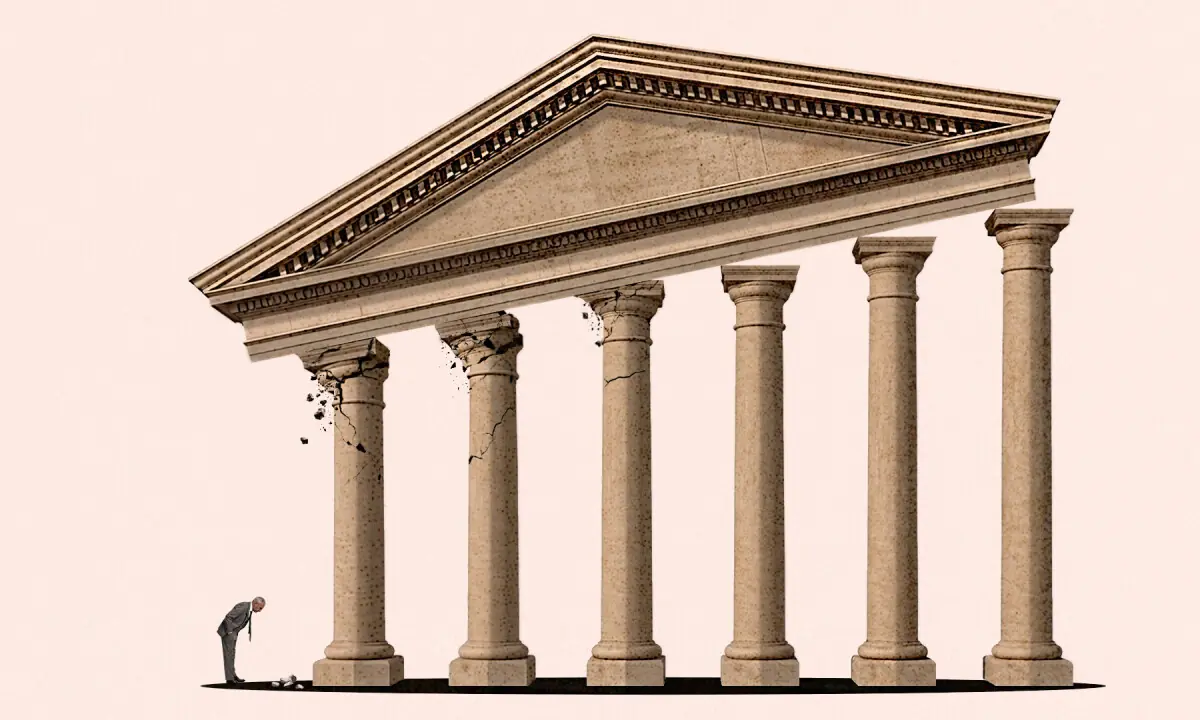
PM takes notice of future after ordering it cancelled
Summarized and contextualized by DistantNews.
At a glance
Analysis
Named sources
Context piece
- The author laments Pakistan's lack of public policy foresight, despite efforts to promote it.
- Foresight is not integrated into Pakistan's policy-making processes like budgeting or planning.
- The author questions why foresight fails to take root in the country's institutions.
For two decades, I have strived to instill a long-term perspective in Pakistan's institutions, encouraging them to think in decades rather than mere news cycles. My work, including the Pakistan State of Future Index (PK-SOFI), aimed to measure the nation's progress against its own long-range indicators. I have engaged with international bodies like the National Intelligence Council and the UK Cabinet Office's Horizon Scanning unit, observing how seriously other nations prioritize anticipation.
Yet, the question persists: why does foresight struggle to gain traction in Pakistan? It is not due to a lack of talent or awareness. The fundamental issue is that foresight is not publicly institutionalized. It is not a standard step in drafting budgets, approving plans, or setting ministry priorities. No standing government body is mandated to systematically engage in future-oriented analysis.
This absence means that Pakistan consistently misses opportunities to proactively shape its future. Without a dedicated focus on anticipation, policy decisions remain reactive, constrained by immediate concerns rather than guided by strategic foresight. The discipline of looking ahead, a practice embraced by many developed nations, remains an elusive goal for Pakistan's public policy landscape.
DistantNews Editorial
Originally published by Dawn. Summarized and contextualized by our editorial team with added local perspective. Read our editorial standards.
More Stories
From Our Blog

What Gets Lost (and Found) When News Is Translated

The Critical Role of Diaspora Media in Global News

What Travellers Should Know About Countries with Restricted Press

A Digital Nomad's Guide to Following Local News

How the Same Story Looks Different in Different Countries
