


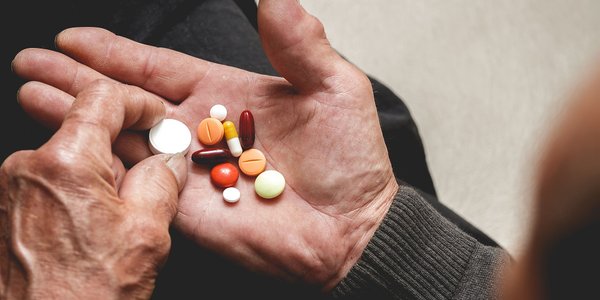
Poland considers cuts to free medication for seniors amid rising costs
Translated from Polish, summarized and contextualized by DistantNews.
At a glance
News
Official statement
Context piece
- Poland's National Health Fund (NFZ) is considering cuts to the free medication program for seniors due to rising costs.
- The program, expanded in 2023 to include individuals aged 65 and older, has seen a significant increase in prescription volume and average cost per prescription.
- The NFZ analysis indicates that while the number of beneficiaries grew modestly, the overall expenditure surged due to factors like a broader list of covered drugs and extended prescription periods.
Poland's National Health Fund (NFZ) is contemplating significant changes to its free medication program for seniors, driven by escalating costs that are outpacing patient growth. The program, initially launched for individuals over 75 and later expanded in 2023 to cover those aged 65 and above, has become a substantial financial burden on the public health budget.
Recent analyses reveal that the total cost of the program, which also includes free medicines for individuals under 18 and pregnant women, reached 3.7 billion Polish zloty last year. This represents a sharp increase from previous years, with expenditures rising from approximately 1.5 billion zloty in 2023 to 3 billion zloty in 2024. The number of free medication packages prescribed to seniors has also grown substantially, reaching 140.9 million units in 2025, while the average refund per prescription increased from 54.3 zloty in 2024 to 64.6 zloty in 2025.
Several factors contribute to the program's rising costs, according to Marek Tomków, president of the Supreme Pharmaceutical Council. These include the expansion of the eligible age group, a dramatic increase in the number of drugs covered, from a few hundred to around 3,700, and the ability for doctors across all specializations, including private practices, to issue these prescriptions. Furthermore, prescriptions can now be issued for up to a year's supply, allowing patients to obtain a four-month stock of medication at once. The NFZ is evaluating the program's effectiveness, particularly concerning the wide price disparities between generic and original drugs with similar therapeutic effects, which results in the fund covering the full cost of more expensive options.
DistantNews Editorial
Originally published by Rzeczpospolita in Polish. Translated, summarized, and contextualized by our editorial team with added local perspective. Read our editorial standards.
More Stories


From Our Blog

What Gets Lost (and Found) When News Is Translated

The Critical Role of Diaspora Media in Global News

What Travellers Should Know About Countries with Restricted Press

A Digital Nomad's Guide to Following Local News

How the Same Story Looks Different in Different Countries
