


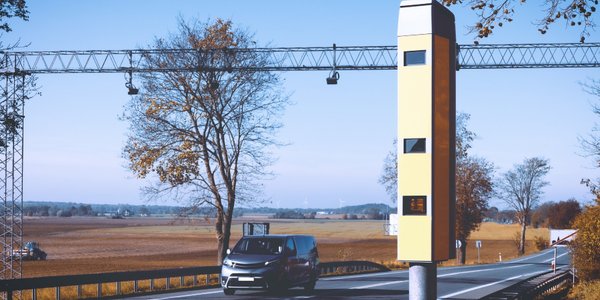
Poland Overhauls Speed Camera System, Driver Identification Rules
Translated from Polish, summarized and contextualized by DistantNews.
At a glance
News
Named sources
New plan
- Poland is revising its traffic enforcement system to improve the effectiveness of speed cameras and streamline the process of identifying drivers.
- New regulations will introduce a fixed speed correction of 5 km/h (or 6 km/h on highways) deducted from recorded speeds before determining penalties.
- The system will also require drivers to confirm their identity when another person was driving, aiming to prevent delays and the "chain-referral" of responsibility.
Poland is set to overhaul its traffic enforcement system, particularly concerning speed cameras, to address inefficiencies and ensure greater accountability. The Ministry of Infrastructure acknowledges the current model's shortcomings, especially in identifying the actual driver responsible for an offense, which often leads to cases becoming time-barred.
A key change involves a standardized speed correction. Under the proposed regulations, 5 km/h will be deducted from the speed recorded by the camera. This correction will be 6 km/h on highways and expressways. The resulting speed will then be used to determine the extent of the violation and the applicable penalty. For instance, if a vehicle is recorded at 72 km/h in a 50 km/h zone, the corrected speed of 67 km/h would be used for calculating the offense, indicating a 17 km/h over-the-limit violation.
While some reports suggest a "tolerance drop" to 5 km/h, officials clarify that this correction is distinct from the threshold at which a device registers a violation. The final rules regarding registration thresholds will depend on the enacted legislation.
The more significant reform targets the post-violation procedure. Currently, vehicle owners receive correspondence and can identify the driver. However, this process is often prolonged by issues like "chain-referral," where responsibility is passed along multiple individuals, or by providing details of drivers residing abroad. The current enforcement tools are deemed insufficient by the ministry.
Under the new system, the vehicle owner or user will receive notification of the violation. If someone else was driving, they can forward a form to that individual. However, this referral will only be effective once the identified driver confirms they were operating the vehicle. This aims to prevent the current system's loopholes and ensure that the person actually driving is held responsible.
DistantNews Editorial
Originally published by Rzeczpospolita in Polish. Translated, summarized, and contextualized by our editorial team with added local perspective. Read our editorial standards.
More Stories



From Our Blog

What Gets Lost (and Found) When News Is Translated

The Critical Role of Diaspora Media in Global News

What Travellers Should Know About Countries with Restricted Press

A Digital Nomad's Guide to Following Local News

How the Same Story Looks Different in Different Countries
