

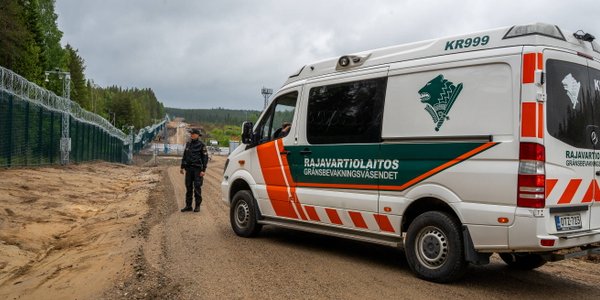

Poland's Border with Belarus Becomes Impenetrable, Shifting Migrant Pressure to Neighbors
Translated from Polish and summarized by DistantNews. Read the original for the full story.
At a glance
News
Named sources
Context piece
- Poland has significantly tightened its border with Belarus through a combination of physical barriers and advanced technology, effectively halting illegal migration.
- This increased border security has shifted the pressure of migrant flows to neighboring Lithuania and Latvia.
- Key decisions, including the construction of a sophisticated electronic surveillance system, have been instrumental in ending the hybrid warfare tactics previously employed by Belarus.
Poland's resolute stance on border security, bolstered by substantial investments in a physical barrier and an advanced electronic surveillance system along the Bug River, has yielded remarkable results. The once-porous border with Belarus, a key route for illegal migration from Africa and the Middle East, has been effectively sealed. Data from the Border Guard Command shows a dramatic decrease in attempted crossings, plummeting from hundreds or thousands per month last year to mere dozens or single digits this year. This success, highlighted by Prime Minister Donald Tusk's announcement of zero illegal crossings in the first quarter of 2026, underscores Poland's commitment to controlling its borders. However, this success comes at a cost to its neighbors. Lithuania and Latvia are now experiencing a heightened pressure of migrant flows, indicating that the problem has not been solved but merely redirected. The Polish approach, while effective in its immediate objective, raises questions about regional cooperation and burden-sharing in managing migration.
In the first quarter of this year, few attempts to cross the Polish-Belarusian border were recorded. But it was only in April this year that the effectiveness of detentions and prevention of illegal border crossings reached full effectiveness. This means that every attempt to breach the barrier was detected and effectively blocked.
About this summary
Originally published by Rzeczpospolita in Polish. Translated, summarized, and contextualized automatically by DistantNews, with a note on how the source frames the story. Not individually reviewed before publishing. How this works.
More Stories


From Our Blog

News in Translation: What Gets Lost, and How We Keep the Framing

Diaspora Media: How Communities Abroad Follow Home

Traveling Where the Press Is Not Free: How to Read the News There

The Digital Nomad's Guide to Local News

The Same Story, Different Countries: How Coverage Changes at the Border
