

Poland's Civil Service Reform: Experts Urge Practical Application Over Formal Procedures
Translated from Polish, summarized and contextualized by DistantNews.
At a glance
Interview
Named sources
Context piece
- Poland plans to reintroduce competitive application processes for higher civil service positions.
- Experts express concern that procedures might be circumvented, citing past experiences where similar reforms were implemented but later undermined.
- The effectiveness of the new system hinges on genuine commitment to fair competition and robust enforcement, rather than just formal compliance.
The Polish government intends to reinstate competitive application processes for senior positions within the civil service, a move that has drawn cautious optimism and significant concerns from experts.
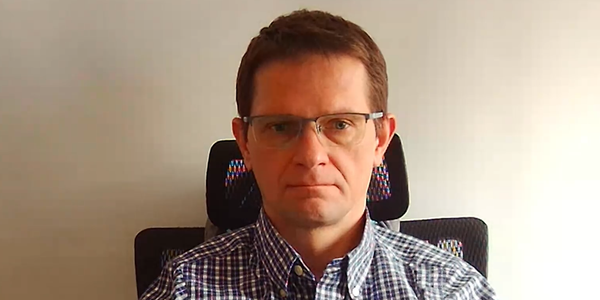
Professor Grzegorz Makowski notes that while formally reintroducing competitions is a positive step, the real challenge lies in their practical application. He points to historical precedents, such as after 2007 when the Law and Justice (PiS) party effectively dismantled the civil service, replacing it with a cadre of politically appointed individuals. Later, the Civic Platform-Polish People's Party (PO-PSL) government reinstated the Civil Service Act and competitions, but only after filling top positions using the previous system's provisions. Makowski suggests that even after reinstatement, the practice of these competitions often left much to be desired.
A primary concern is the potential for circumventing the established procedures. Makowski highlights various methods used to bypass regulations designed to ensure merit-based appointments and political neutrality. These include appointing individuals as "acting" heads of departments or manipulating the composition of competition committees. He emphasizes that while reinstating the formal structure of competitions is necessary, a genuine desire to conduct them fairly is crucial, rather than merely having them exist "on paper."
Concerns also extend to internal promotions conducted without open competition, which trade unions fear could become a loophole for cronyism and nepotism. Makowski acknowledges this risk, although he also notes the argument for administrative flexibility and rewarding high performance. He suggests that individuals with strong track records should still be able to compete in open procedures, asserting that their qualifications would allow them to succeed in a transparent process.
Makowski stresses that the success of the new system will depend on rigorous enforcement and a commitment to competence. He points out that the head of the civil service has announced that internal promotions will be preceded by assessments of leadership competencies. While this is a positive development, Makowski questions the methodology of these assessments, asking whether the tests will be well-designed and if the results will genuinely influence selection. Ultimately, he concludes that the practical application and enforcement of the law, detailed in upcoming regulations, will be the deciding factors in whether these reforms truly strengthen Poland's civil service.
Formalnie można przywrócić konkursy, ale później trzeba je jeszcze stosować w praktyce. A nie jest to pierwsze nasze doświadczenie z przywracaniem konkursów na najwyższe stanowiska w administracji.
DistantNews Editorial
Originally published by Rzeczpospolita in Polish. Translated, summarized, and contextualized by our editorial team with added local perspective. Read our editorial standards.
More Stories

From Our Blog

What Gets Lost (and Found) When News Is Translated

The Critical Role of Diaspora Media in Global News

What Travellers Should Know About Countries with Restricted Press

A Digital Nomad's Guide to Following Local News

How the Same Story Looks Different in Different Countries
