


Poland's healthcare digitalization: Can it rebuild trust after scandal?
Translated from Polish, summarized and contextualized by DistantNews.
At a glance
Analysis
Named sources
New plan
- A conference on healthcare digitalization in Poland revealed proposed solutions to address recent scandals.
- Experts expressed skepticism about the effectiveness of the proposed measures, particularly regarding the health minister's presentation.
- Key proposals include e-queues to reduce abuse and improve trust, alongside discussions on doctor salaries and hospital funding.
A recent conference hosted by the Polish health minister, intended to address a crisis stemming from irregularities at the Warsaw Southern Hospital, has drawn criticism and skepticism. Instead of a strong signal of change, the proposed solutions have raised questions about their efficacy.
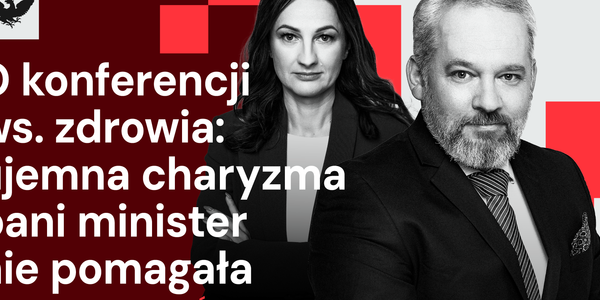
We all watched this conference in the newsroom with horror because the minister's negative charisma did not help in absorbing the things she was talking about.
Michał Szułdrzyński of "Rzeczpospolita" described the conference presentation as having "negative charisma," hindering the reception of the information shared. The focus of the discussion was largely on digitalization, with e-queues highlighted as a significant step toward reducing abuse and rebuilding public trust in the healthcare system. However, Szułdrzyński emphasized the critical need for robust patient data protection alongside full digitalization.
E-queues are a step in a very good direction.
Conversations also delved into the complex issue of doctor salaries and hospital labor costs. Szułdrzyński argued that while public healthcare shouldn't be a place for exorbitant earnings, the current system's structure complicates matters. Public hospitals face competition for specialists not only from private clinics but also from healthcare systems abroad. Imposing rigid salary caps, he warned, could lead to doctors leaving the profession, potentially crippling hospital operations.
The public healthcare system should not be a place where one earns hundreds of thousands of zlotys per month. But let's remember how our system is constructed.
Furthermore, the financing model for healthcare services was scrutinized. The current system, which rewards the number of procedures performed rather than treatment effectiveness, was criticized as "treating symptoms, not the system." Marzena Tabor-Olszewska noted the absence of the patient's perspective during the conference, with most announcements focusing on organization and salaries rather than tangible improvements in waiting times or treatment quality. The practice of fining public hospitals was also discussed, with the conclusion that such penalties ultimately harm patients by reducing hospital funds.
What will happen when we cut these salaries? Won't doctors simply leave their jobs, and what will hospitals do then?
DistantNews Editorial
Originally published by Rzeczpospolita in Polish. Translated, summarized, and contextualized by our editorial team with added local perspective. Read our editorial standards.
More Stories



From Our Blog

What Gets Lost (and Found) When News Is Translated

The Critical Role of Diaspora Media in Global News

What Travellers Should Know About Countries with Restricted Press

A Digital Nomad's Guide to Following Local News

How the Same Story Looks Different in Different Countries
