


Poland's Ruling Coalition Faces Deepening Political Crisis
Translated from Polish, summarized and contextualized by DistantNews.
At a glance
Analysis
Named sources
Context piece
- A journalist describes the current situation as a serious political crisis for the ruling coalition, potentially the most significant since the 2023 parliamentary elections.
- The coalition's stable approval ratings are attributed to a lack of viable alternatives for its voters, who view it as the "lesser evil."
- Prime Minister Donald Tusk is attempting to buy time, but the narrative of returning to the political climate of 2014 poses a significant challenge that will be difficult to reverse.
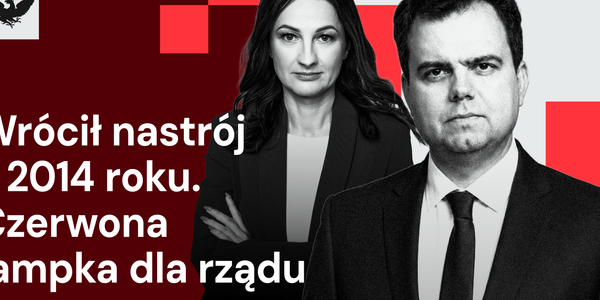
The current political landscape is defined by a significant crisis within the ruling coalition, described by journalist Michał Kolanko as potentially the most severe since the 2023 parliamentary elections. The repercussions of this crisis could linger for many months.
Without a doubt, this is a crisis.
Despite the escalating scandal, the Civic Coalition's approval ratings remain stable. Kolanko attributes this resilience to the structure of its electorate; a substantial portion of Civic Coalition voters perceive the party as a "lesser evil" rather than an ideal choice. Crucially, these voters currently lack any credible alternative political options, such as Konfederacja or Razem.
54 percent of Civic Coalition voters believe that the coalition is not their ideal party, that it is the 'lesser evil'.
Prime Minister Donald Tusk, recognized as one of Poland's most experienced politicians, is aware of the risks involved. His strategy appears to be focused on managing the situation and buying time. However, Kolanko suggests the most pressing issue is not a temporary dip in support but a potential loss of capacity for future growth.
Prime Minister Tusk is one of the most experienced politicians in Poland. And he is certainly aware of the risks.
A particularly dangerous narrative emerging is the public perception that the current crisis mirrors the political climate of 2014. Kolanko emphasizes that this narrative is "mortally dangerous" for the coalition and will be exceptionally difficult to counteract. The recent press conference by the Health Minister, intended to alleviate tensions, is seen as a superficial attempt to address the deep-seated issues, shifting responsibility back to the ministry but failing to offer a clear, convincing plan for the public.
A mortally dangerous narrative has emerged for the coalition, that the mood of 2014 has returned. That it's like back then.
DistantNews Editorial
Originally published by Rzeczpospolita in Polish. Translated, summarized, and contextualized by our editorial team with added local perspective. Read our editorial standards.
More Stories

From Our Blog

What Gets Lost (and Found) When News Is Translated

The Critical Role of Diaspora Media in Global News

What Travellers Should Know About Countries with Restricted Press

A Digital Nomad's Guide to Following Local News

How the Same Story Looks Different in Different Countries
