


Poland Tightens Visa-Free Work Rules for Three Nationalities
Translated from Polish, summarized and contextualized by DistantNews.
At a glance
News
Named sources
New plan
- Poland will implement new regulations on August 22, restricting visa-free work for citizens of Colombia, Georgia, and Venezuela.
- The government aims to combat illegal employment and exploitation, but experts question the readiness of the visa system to handle increased burdens.
- Concerns remain about the effectiveness of the new rules in addressing illegal work and exploitation, with calls for improved consular resources and international cooperation.
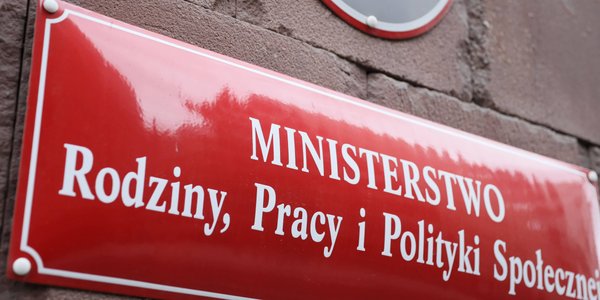
Poland is set to introduce new regulations on August 22, ending visa-free work for citizens of Colombia, Georgia, and Venezuela. The Ministry of Family, Labor, and Social Policy published a decree on August 7, which takes effect 14 days after its announcement. This measure aims to address issues identified in an assessment of regulatory impact, which noted that foreigners from these countries often enter the EU through other member states, posing as tourists before coming to Poland to work legally with permits. The assessment highlighted that this practice leads to illegal stays and employment, a growing shadow economy, and instances of exploitation and human trafficking.
However, experts consulted by Puls HR express doubts about the chosen solutions. Nadia Winiarska, deputy director of the Labor Department at Konfederacja Lewiatan, questions whether Poland's visa system is adequately prepared for the potential increase in applications. She warns that this could lead to longer processing times for legal employment of foreign workers. Employers have long complained about the unpredictability and lengthy procedures for obtaining visas in Poland. "We would primarily expect an increase in the staffing and organizational resources of consulates, streamlining of procedures, and greater predictability of the process," Winiarska stated. She also suggested exploring alternative solutions like closer international cooperation and information exchange to better vet foreigners without overburdening the visa system.
We would primarily expect an increase in the staffing and organizational resources of consulates, streamlining of procedures, and greater predictability of the process. We should also consider alternative solutions, such as closer international cooperation and information exchange between countries, which would allow for better vetting of foreigners without automatically increasing the burden on the visa system.
Jakub Tomczak, sales director at the Folga employment agency, echoed these concerns, emphasizing that "when making a decision of this magnitude, the state must also ensure the efficiency of visa and legalization procedures." He pointed out that "proven workers can wait for documents for weeks, and companies pay for this with downtime. This is a waste that the Polish economy cannot afford with such a change." Meanwhile, Rocio Flores Torres, president of the Commission of Latin American Workers in Poland, observes that the new decree does not effectively resolve the ongoing issues of illegal employment and exploitation. "If we truly want to fight illegal employment and exploitation, we need to justify..."
When making a decision of this magnitude, the state must also ensure the efficiency of visa and legalization procedures. Proven workers can wait for documents for weeks, and companies pay for this with downtime. This is a waste that the Polish economy cannot afford with such a change.
DistantNews Editorial
Originally published by Rzeczpospolita in Polish. Translated, summarized, and contextualized by our editorial team with added local perspective. Read our editorial standards.
More Stories


From Our Blog

What Gets Lost (and Found) When News Is Translated

The Critical Role of Diaspora Media in Global News

What Travellers Should Know About Countries with Restricted Press

A Digital Nomad's Guide to Following Local News

How the Same Story Looks Different in Different Countries
