

Poland, Ukraine foreign ministers meet amid escalating historical row
Translated from Polish, summarized and contextualized by DistantNews.
At a glance
News
Named sources
Context piece
- Polish Foreign Minister Radosław Sikorski met with his Ukrainian counterpart Andrij Sybiha in Warsaw amid escalating historical disputes.
- The meeting, requested by Ukraine, aimed to de-escalate tensions over issues like the UPA's legacy and historical memory.
- Poland's President Nawrocki previously revoked Volodymyr Zelenskyy's Order of the White Eagle in response to Ukraine's National Pantheon Act, which may honor controversial figures.
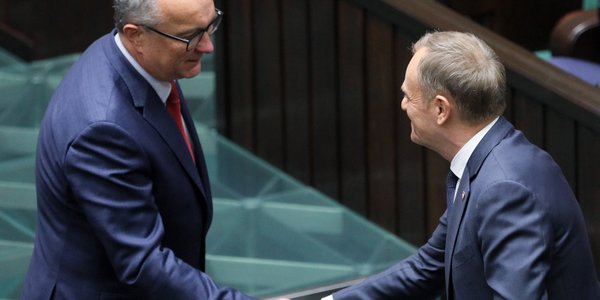
Polish Foreign Minister Radosław Sikorski met with Ukrainian Deputy Prime Minister and Foreign Minister Andrij Sybiha in Warsaw on July 3rd, amidst a growing dispute over historical narratives. The meeting, reportedly initiated by the Ukrainian side, sought to address escalating tensions between the two nations.
In these relations, there are those who play to gain support points, which is often good for them, but bad for Polish-Ukrainian relations... and we are engaged in patient work.
Sikorski emphasized the need for quiet diplomacy, stating, "In these relations, there are those who play to gain support points, which is often good for them, but bad for Polish-Ukrainian relations... and we are engaged in patient work." He added that diplomacy requires emotions to subside and countries to focus on their interests, suggesting that public displays are counterproductive.
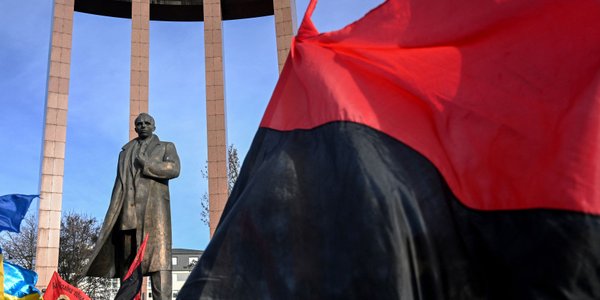
The diplomatic talks occurred shortly after Ukraine's Supreme Council passed a law establishing a National Pantheon. This move, initiated by President Volodymyr Zelenskyy, has been met with concern in Poland, particularly if it includes figures like Stepan Bandera, a leader of the Ukrainian Insurgent Army (UPA). The UPA is associated with the 1943 Volhynia massacres, a deeply contentious issue in Polish-Ukrainian relations.
Diplomacy is conducted in appropriate forums, it requires emotions to subside, for countries to think about their interests.
Earlier, Polish President Andrzej Duda had revoked the Order of the White Eagle awarded to Zelenskyy. This action followed Zelenskyy's naming of a Ukrainian military unit after the "Heroes of UPA." In response, former Ukrainian presidents Leonid Kuchma, Petro Poroshenko, and Viktor Yushchenko returned their Polish state awards in solidarity with Zelenskyy. Reports suggest Sybiha may have brought a proposal to include General Marko Bezručko, an officer who fought alongside Polish forces against the Bolsheviks, in the National Pantheon as a potential compromise.
No one and never will dictate how to live, how to speak, whom to love, whom to be grateful to, and whom heroes to respect.
DistantNews Editorial
Originally published by Rzeczpospolita in Polish. Translated, summarized, and contextualized by our editorial team with added local perspective. Read our editorial standards.
More Stories
From Our Blog

What Gets Lost (and Found) When News Is Translated

The Critical Role of Diaspora Media in Global News

What Travellers Should Know About Countries with Restricted Press

A Digital Nomad's Guide to Following Local News

How the Same Story Looks Different in Different Countries
