


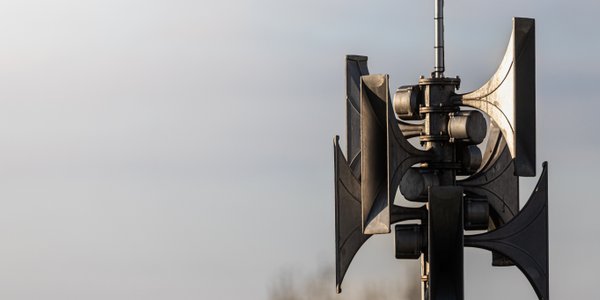
Poland upgrades emergency sirens after missile scare
Translated from Polish, summarized and contextualized by DistantNews.
At a glance
News
Named sources
Context piece
- Several Polish municipalities are upgrading their emergency siren systems, with some repairing existing devices and others installing new ones.
- A recent incident where a missile entered Polish airspace highlighted failures in the early warning system, prompting calls for improvements.
- Plans include purchasing hundreds of new sirens by 2026, with cities like Lublin, Białystok, Kraków, and Warsaw set to receive significant upgrades.
Poland is accelerating the modernization of its nationwide emergency siren system following a recent incident where a stray missile entered the country's airspace. The event exposed shortcomings in the early warning network, prompting authorities to address the issues.
In Lublin, six out of 48 sirens required repairs as of late July. The city is slated to receive 60 new sirens by 2026 as part of a broader national plan. The national government oversees the integrated warning system, with regional governors coordinating its expansion. The government plans to purchase hundreds of new sirens with modern control systems by 2026.
We realize that when it comes to the early warning and alerting system, not everything worked as it should have.
Other cities are also upgrading their systems. Białystok received 26 new electronic sirens this year, bringing its total to 99. The region's system, comprising 376 devices, will see further upgrades by 2027. Kraków is procuring approximately 190 modern sirens, with the first installations expected this year and completion in 2027. Warsaw plans to install 36 new sirens between 2025 and 2026, adding to its existing 209 electronic sirens.
We will shorten the reaction time by transferring some decisions regarding the activation of the alarm to the regional level. We will also increase the number of sirens – by 200 units by the end of this year.
DistantNews Editorial
Originally published by Rzeczpospolita in Polish. Translated, summarized, and contextualized by our editorial team with added local perspective. Read our editorial standards.
More Stories


From Our Blog

What Gets Lost (and Found) When News Is Translated

The Critical Role of Diaspora Media in Global News

What Travellers Should Know About Countries with Restricted Press

A Digital Nomad's Guide to Following Local News

How the Same Story Looks Different in Different Countries
