

🇦🇷
Argentina
Polarization Continues to Serve Politicians in Argentina
Translated from Spanish, summarized and contextualized by DistantNews.
At a glance
News
Sources not specified
Context piece
- Political polarization in Argentina allows politicians to profit while the country suffers, with both Milei supporters and Peronists entrenched in their positions.
- The fear of a return to the past and visceral anti-Peronism are key assets for the current government, while Peronism relies on its historical electoral base despite internal disputes.
- The article suggests neither major political force is effectively renewing itself, instead relying on the opponent's missteps.
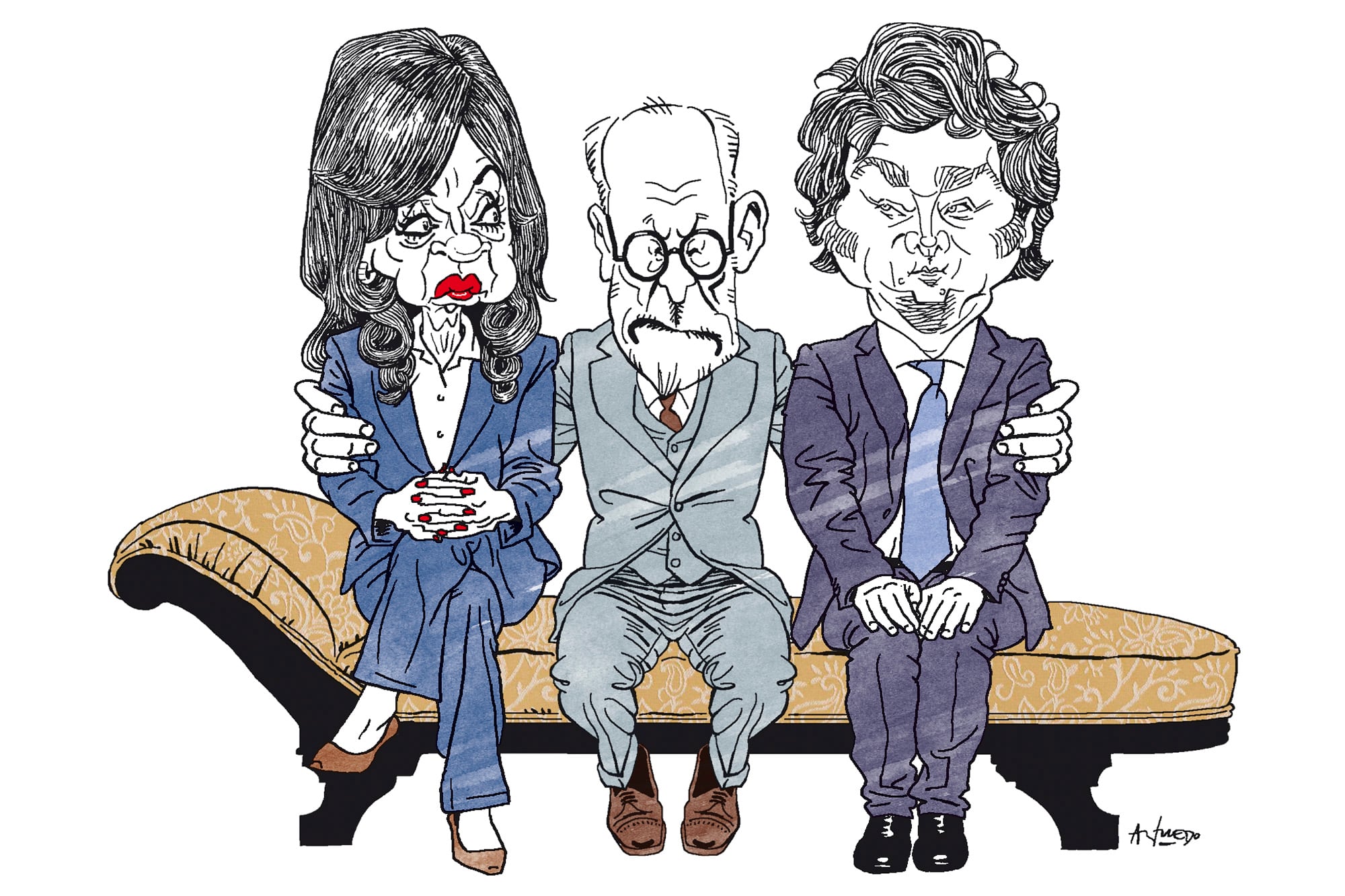
Political polarization continues to be a lucrative business in Argentina, benefiting politicians who exploit it while the country endures its consequences. The "business of antinomy" is thriving, with both Milei supporters and Peronists comfortable within this dynamic.
The fear of a return to the past, the "Kuka risk," or more simply, the visceral anti-Peronism of roughly half of Argentine voters, serves as the current administration's greatest asset. This powerful phantom is used to justify, accept, or tolerate the actions of Javier Milei and his government, even those that voters may dislike or find outrageous.
On the other side, Peronism takes refuge in its historical electoral floor of 40%, a barrier that non-Peronist factions struggle to breach. This allows Peronism to engage in numerous blunders that have historically cost Argentina dearly, while becoming mired in paralyzing internal disputes, seemingly unconcerned about the clear risks to its own survival.
The article highlights the difficulty Peronism faces in initiating a virtuous cycle of renewal. Similarly, many non-Kirchnerist Peronists seem terrified of breaking away from the Kirhcnerist "mothership" to build a new electoral offering. They are burdened by an immediate past that provides a comfortable base but limits their potential unless they benefit from their opponents' errors.
Consequently, the Justicialist universe appears to bet more on Milei's tendency towards self-harm than on constructing a superior alternative. The prolonged debate over Manuel Adorni's departure from the government, though eventually resolved, was a source of lament rather than satisfaction for the opposition, who had sought to provoke Milei into keeping him. The President's stubborn refusal to yield to demands from adversaries, whether internal or external, led to an unnecessarily costly and prolonged ordeal.
Recent legislative elections indicated that the political landscape, despite cyclical shifts, has not structurally changed. It has largely reverted to the configuration seen before the 2015 presidential elections, when the Milei movement seemed poised to permanently alter the map in historically Justicialist strongholds. The core division between Peronism and non-Peronism continues to organize Argentine politics, regardless of changing labels, as consistently shown by electoral maps analyzed by sociologist Luis Costa. Similar to past political phenomena like the "Alfonsinist spring," the "Alliance illusion," and to a lesser extent, the "Macri irruption" among non-Kirchnerist Peronist voters, no significant shift has fundamentally altered this deep-seated division.
DistantNews Editorial
Originally published by La Nación in Spanish. Translated, summarized, and contextualized by our editorial team with added local perspective. Read our editorial standards.
More Stories


From Our Blog

What Gets Lost (and Found) When News Is Translated

The Critical Role of Diaspora Media in Global News

What Travellers Should Know About Countries with Restricted Press

A Digital Nomad's Guide to Following Local News

How the Same Story Looks Different in Different Countries
