


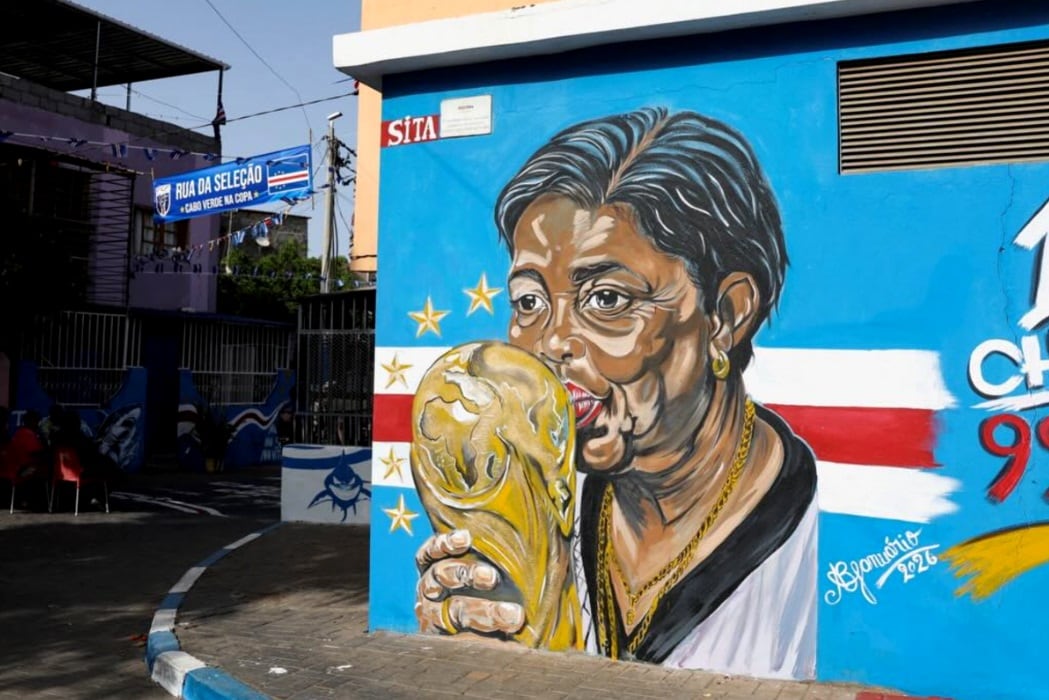
Cesária Évora: The Voice of Cabo Verde That Gained Fame Before Football
Translated from Spanish, summarized and contextualized by DistantNews.
At a glance
In-depth
Sources not specified
Context piece
- Cabo Verde's surprising performance in the World Cup has brought the small African archipelago to global attention.
- Long before football's rise, Cesária Évora, known as the "barefoot diva," used her music to put Cabo Verde on the international map.
- Évora's morna music, filled with saudade, resonated globally, making her country's name synonymous with emotion and beauty.
The unexpected success of the Cabo Verde national team in the World Cup has thrust the small African archipelago into the global spotlight. For decades, this island nation remained largely unknown to much of the world, but football has now sparked international curiosity.
There are countries that the world discovers through war. Others, through natural tragedy. Some, through a sporting miracle. Cabo Verde definitively entered the global conversation thanks to football.
However, long before the roar of the crowd and the thrill of the game captured global attention, a different force was already making Cabo Verde known: the voice of Cesária Évora. Universally recognized as the "barefoot diva," Évora transformed her country's name into a global symbol of emotion, nostalgia, and beauty through her music, serving as Cabo Verde's first significant international ambassador.
But for those who love music, Cabo Verde already existed long before a ball started rolling. It had a voice. And that voice was called Cesária Évora.
Born in Mindelo on the island of São Vicente in 1941, Évora spent years singing in local bars before achieving international fame after the age of fifty. Her career defied conventional success narratives, as she captivated the world with her slow, intimate music deeply rooted in tradition, rather than the youth-focused, immediate trends often favored by the industry. She achieved this without major promotional campaigns, large cultural industries, singing in English, or compromising her use of the native Crioulo language.
Known universally as 'the barefoot diva,' Cesária was born in Mindelo, on the island of São Vicente, in 1941.
Évora's repertoire was dominated by morna, the most representative musical genre of Cabo Verde. This music is infused with "saudade," a profound melancholy shared across the Lusophone world, often compared to Portuguese fado but possessing a distinct identity shaped by African, Portuguese, and Brazilian cultural influences. Her songs painted vivid pictures of the archipelago, evoking images of the ocean, ports, emigration, unfulfilled loves, and the deep longing for home among those who left the islands. Her signature barefoot image became a powerful symbol of her pride in her origins and her commitment to never forgetting the humble people from whom she came, cementing her status as one of the 20th century's most authentic and beloved voices.
Her repertoire was dominated by the morna, the most representative genre of Cabo Verde. A music crossed by saudade, that melancholy shared with the Lusophone universe...
DistantNews Editorial
Originally published by La Nación in Spanish. Translated, summarized, and contextualized by our editorial team with added local perspective. Read our editorial standards.
More Stories


From Our Blog

What Gets Lost (and Found) When News Is Translated

The Critical Role of Diaspora Media in Global News

What Travellers Should Know About Countries with Restricted Press

A Digital Nomad's Guide to Following Local News

How the Same Story Looks Different in Different Countries
