


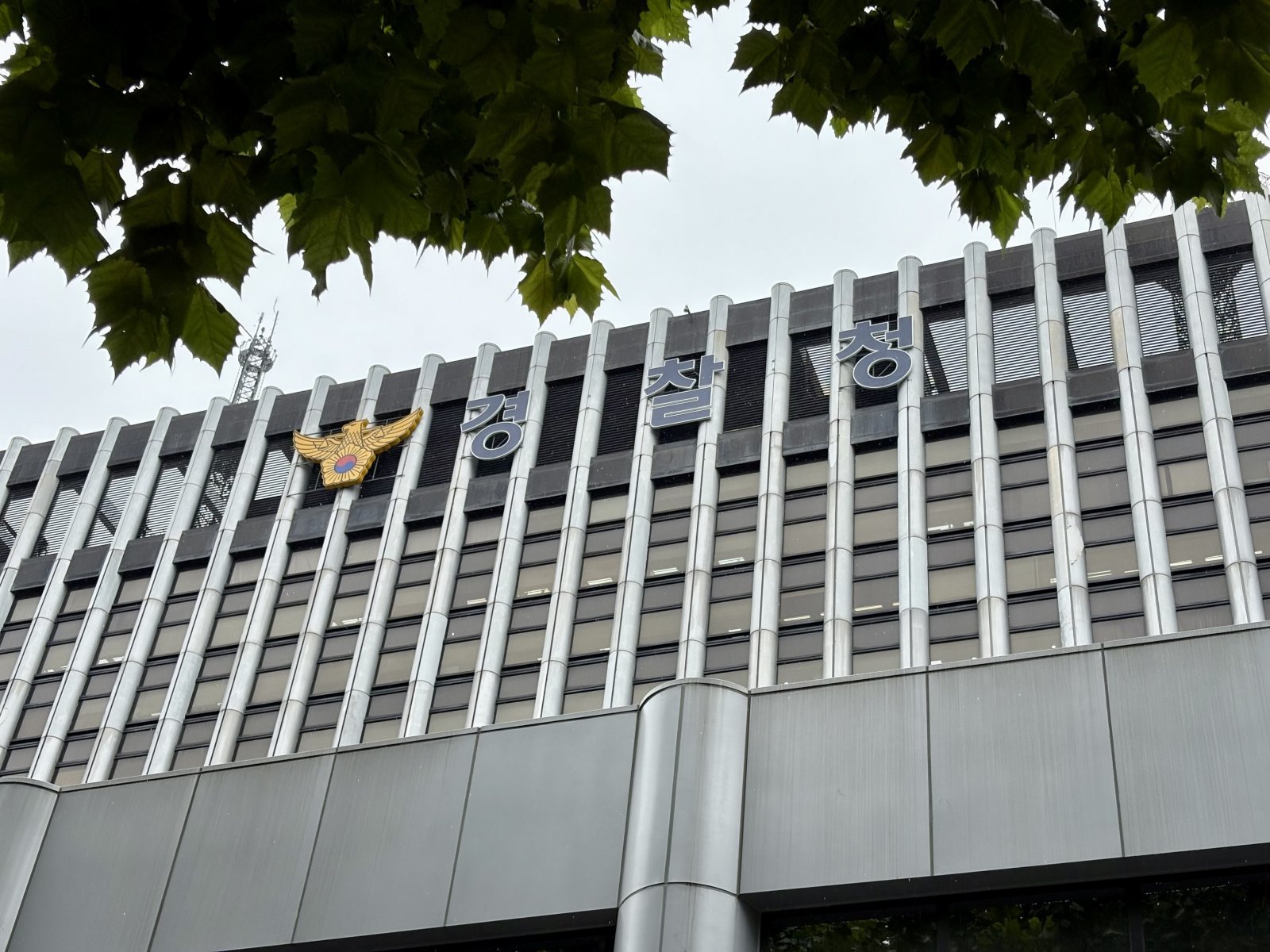
Police Special Investigation Unit Disbanded After 8 Months, Transitions to Dedicated Team
Translated from Korean, summarized and contextualized by DistantNews.
At a glance
News
From a news agency
Outcome reported
- South Korea's police special investigation unit, formed to handle three major special prosecutor cases, has been disbanded after eight months.
- The unit will transition to a dedicated investigation team to continue handling remaining cases.
- The special unit was established to investigate cases including the death of a marine, sedition, and matters related to Kim Keon-hee.
South Korea's special investigation unit, established eight months ago to probe three high-profile cases, has officially disbanded. The unit, known as the 'Special Investigation Headquarters for 3 Major Special Prosecutor Cases' under the National Police Agency, will now transition to a dedicated investigation team.
This dedicated team, led by Superintendent Kim Kang-il, will continue the work on any outstanding cases. The special headquarters was launched on December 1 of the previous year, taking over cases from special prosecutors. These included the death of a marine, alleged sedition, and investigations involving Kim Keon-hee, the wife of the president.
During its operation, the special unit deployed up to 109 personnel. They received a total of 192 cases, which were then reclassified into 137 after consolidation. Out of these, 121 cases have been concluded. The outcomes included 16 cases sent for prosecution, 54 transferred to other agencies like the Supreme Prosecutor's Office, and 51 cases where no prosecution or indictment was pursued.
The investigation process involved questioning 46 suspects and 209 witnesses, along with 16 searches and seizures. Beyond the cases handed over by special prosecutors, the police also independently identified and forwarded several other criminal allegations. These newly identified cases included matters arising shortly after the declaration of emergency martial law in December 2024, concerning the initial stages of the presidential residence's PC.
DistantNews Editorial
Originally published by Dong-A Ilbo in Korean. Translated, summarized, and contextualized by our editorial team with added local perspective. Read our editorial standards.
More Stories


From Our Blog

What Gets Lost (and Found) When News Is Translated

The Critical Role of Diaspora Media in Global News

What Travellers Should Know About Countries with Restricted Press

A Digital Nomad's Guide to Following Local News

How the Same Story Looks Different in Different Countries
