

Polish Activists' German Border Attempt Criticized as Performance Art
Translated from Polish, summarized and contextualized by DistantNews.
At a glance
Opinion
Named sources
Context piece
- A Polish activist group's attempt to cross into Germany with a wooden cross was stopped by German police, drawing criticism from the author.
- The author argues that the group, led by Robert Bąkiewicz, seeks to portray Poland as surrounded by enemies rather than engaging in symbolic acts of remembrance.
- The article criticizes the group's confrontational approach and suggests their actions are aimed at generating online attention rather than fostering genuine historical commemoration.
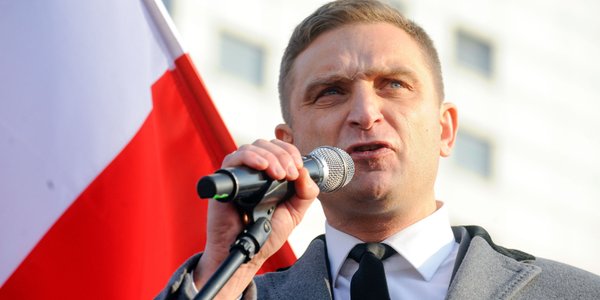
A recent attempt by the "Movement for the Defense of Borders" (Ruch Obrony Granic) to cross into Germany with a wooden cross was thwarted by German police, an action the author views with skepticism and criticism. The group, associated with Robert Bąkiewicz, reportedly failed to secure the necessary permissions for their demonstration, leading to their intervention by authorities.
The German police act decisively and unsubtly. Our national activists probably didn't take that into account.
The author questions the group's motivations, suggesting their actions are less about symbolic remembrance and more about cultivating an image of Poland as a nation besieged by enemies. This narrative, the article implies, serves the interests of figures like Bąkiewicz, who allegedly seeks to isolate Poland diplomatically and foster a sense of perpetual victimhood. Neighbors like Russia and Belarus are dismissed due to the war in Ukraine, while Ukraine itself is viewed with suspicion over historical grievances. Even Western European nations are characterized as "leftist" and harboring dangerous migrants.
Instead of a symbolic gesture, the author posits that the group's actions were designed to provoke a reaction and generate media attention, particularly for social media. The article contrasts this approach with a hypothetical scenario where the group might have formally organized an event, invited German media, and delivered solemn speeches. The author also notes that German officers had suggested alternative, individual ways for the activists to commemorate Polish victims of German atrocities.
Perhaps they were counting on the fact that the Republika television crew present on site (completely by chance, of course) would gather material that would break through social media algorithms and ensure Bąkiewicz publicity for the entire summer?
The piece concludes by suggesting that such fringe groups, despite their small size, can influence mainstream political discourse. Politicians, eager for online engagement, may be drawn to the radicalism displayed on platforms like X and TikTok, potentially overshadowing substantive political achievements. The author implies that this focus on online provocation distracts from genuine national interests and constructive international relations.
The point isn't to commemorate. The point is that Poland, the world's only 'Christ of nations,' should be surrounded by enemies, not sign treaties with anyone (because others will betray us anyway), and be condemned to knights like Bąkiewicz's national forces.
DistantNews Editorial
Originally published by Rzeczpospolita in Polish. Translated, summarized, and contextualized by our editorial team with added local perspective. Read our editorial standards.
More Stories

From Our Blog

What Gets Lost (and Found) When News Is Translated

The Critical Role of Diaspora Media in Global News

What Travellers Should Know About Countries with Restricted Press

A Digital Nomad's Guide to Following Local News

How the Same Story Looks Different in Different Countries
