

Polish Defense Firm WB Group Stresses Adaptability in Military Technology
Translated from Polish, summarized and contextualized by DistantNews.
At a glance
In-depth
Named sources
Context piece
- WB Group emphasizes that military technology's value lies in its adaptability and integration, not just initial capabilities.
- Technological sovereignty means controlling critical security solutions, essential for responding to evolving threats, as shown by the war in Ukraine.
- Integrated systems, like WB Group's Gladius, are crucial for modern warfare, prioritizing rapid data exchange and operational response over individual platforms.
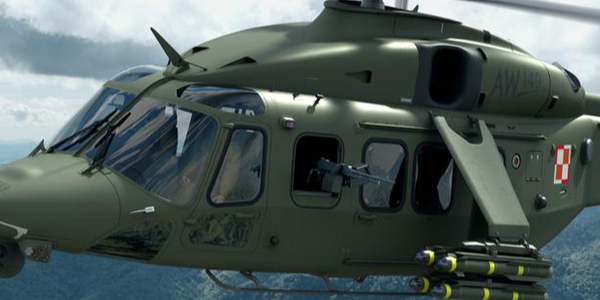
WB Group, a Polish defense technology firm with over three decades of experience, asserts that the true value of military technology hinges on its capacity for ongoing development, integration, and adaptation to new threats, rather than solely its performance at the time of purchase.
Technological sovereignty, according to WB Group, is not about complete self-sufficiency but about maintaining control over critical security solutions, including their architecture, software, service, and evolution. This control is vital for a nation's freedom of action, especially as the war in Ukraine has demonstrated that even effective equipment can become digitally obsolete quickly, requiring rapid software, connectivity, or jamming resistance updates based on operational experience.
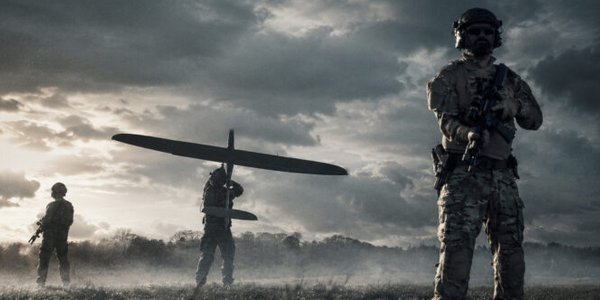
The company highlights that modern battlefields are increasingly decided by integrated systems rather than isolated platforms. Drones, sensors, radios, command systems, and effectors must function as a cohesive unit, emphasizing the speed of data exchange and the efficiency of the entire process from threat detection to neutralization. Control over system architecture is therefore as important as individual device parameters, enabling the integration of new components and swift responses to battlefield changes.
This philosophy underpins WB Group's flagship Gladius reconnaissance-strike system, used by the Polish Armed Forces. Gladius integrates reconnaissance, command, and strike capabilities within a single architecture, shortening the critical cycle from threat detection to effective engagement. The company also focuses on secure and resilient information exchange, developing C4I and communication systems that ensure data flows efficiently to the appropriate command levels, contributing to a comprehensive situational picture and informed decision-making. Ultimately, operational capability, integration, maintenance, development, and adaptation define security, with indigenous technologies and competencies granting greater freedom and responsiveness.
DistantNews Editorial
Originally published by Rzeczpospolita in Polish. Translated, summarized, and contextualized by our editorial team with added local perspective. Read our editorial standards.
More Stories


From Our Blog

What Gets Lost (and Found) When News Is Translated

The Critical Role of Diaspora Media in Global News

What Travellers Should Know About Countries with Restricted Press

A Digital Nomad's Guide to Following Local News

How the Same Story Looks Different in Different Countries
