


Polish Lawyers Alarmed by Supreme Court Ruling on Lawyer Illness
Translated from Polish, summarized and contextualized by DistantNews.
At a glance
News
Named sources
Context piece
- Polish legal professionals are concerned by a Supreme Court ruling regarding a lawyer's illness.
- The ruling suggests that a lawyer's inability to act due to temporary illness, if not foreseen, can burden the client and prevent a finding of excusable delay.
- Legal deans argue this view is outdated and does not reflect the reality of modern legal practice, potentially infringing on the right to a fair trial.
Polish legal professionals have expressed significant concern over a recent Supreme Court ruling that could penalize clients for their lawyers' temporary illnesses. The Supreme Court's decision, dated April 28, 2026, suggests that a lawyer's failure to act within a deadline due to a temporary health issue, if not adequately foreseen, can be attributed to the client and preclude a finding of excusable delay.
This stance, shared by the Court of Appeal, draws upon a previous ruling from 2012. That decision stated that professional representatives must anticipate potential temporary obstacles, including short-term health issues, that might hinder them from filing legal actions on the last day of a deadline. The Supreme Court's reasoning implies that lawyers should plan for such eventualities, even short-term indispositions, as if they were predictable.
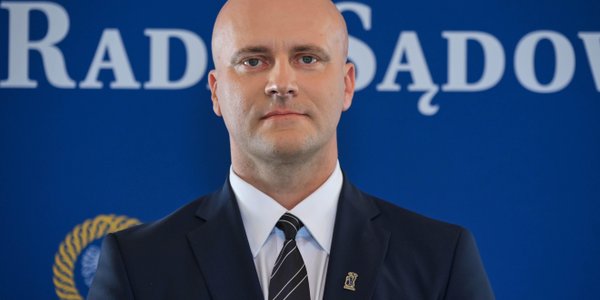
Deans of Regional Bar Associations have strongly criticized this perspective, labeling it as "outdated thinking about professional legal representatives." They argue that such a view treats lawyers as secondary and incidental figures in legal proceedings, rather than as essential collaborators in the administration of justice. The deans emphasize that legal professionals are human and, like anyone, can face unforeseen events such as illnesses or accidents that prevent them from fulfilling their duties.
Furthermore, the deans contend that the Supreme Court's view is unrealistic. It fails to acknowledge the demanding caseload many legal professionals handle, making it impossible to dedicate full attention to every task immediately upon receiving court documents. They assert that requiring lawyers to foresee random events like illness is incompatible with fundamental constitutional rights, including the right to a fair trial and the principles of a constitutional republic.
W naszej ocenie pogląd ten niestety pozostaje w nurcie archaicznego myślenia o profesjonalnych pełnomocnikach procesowych – radcach prawnych i adwokatach – jako o elemencie wtórnym i przygodnym w postępowaniu, nie zaś jako o osobach współdziałających w prawidłowym wymierzaniu sprawiedliwości
DistantNews Editorial
Originally published by Rzeczpospolita in Polish. Translated, summarized, and contextualized by our editorial team with added local perspective. Read our editorial standards.
More Stories

From Our Blog

What Gets Lost (and Found) When News Is Translated

The Critical Role of Diaspora Media in Global News

What Travellers Should Know About Countries with Restricted Press

A Digital Nomad's Guide to Following Local News

How the Same Story Looks Different in Different Countries
