


Polish Legend Reimagined: A Modern Electric Nysa Van Concept
Translated from Polish, summarized and contextualized by DistantNews.
At a glance
In-depth
Sources not specified
Context piece
- A designer has created a modern electric concept for the iconic Polish Nysa van.
- The concept blends classic Nysa design elements with contemporary electric vehicle proportions.
- This reimagining follows a trend of reviving historical automotive names with electric powertrains.
Designer Robert Bernard Osiecki has unveiled a compelling vision for a modern, electric iteration of the Nysa, a historically significant Polish van. The Nysa, once a ubiquitous presence on Polish roads, served various roles including ambulances, police cars, microbuses, and delivery vehicles. Its production spanned from the late 1950s until 1994, with over 380,000 units manufactured and exported globally.
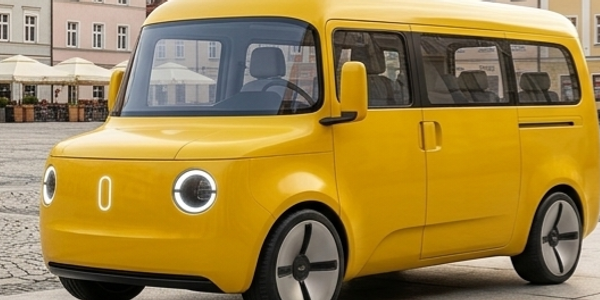
Osiecki's concept, presented through detailed visualizations, aims to capture the essence of the Nysa while adapting it to contemporary automotive trends. The design capitalizes on the shift towards electric vehicles, where the absence of a large internal combustion engine allows for greater interior space and design flexibility. The Nysa's distinctive proportions, a short front, tall cabin, large windows, and a boxy silhouette, are particularly well-suited for modern EV architecture.
This reimagining aligns with a broader automotive trend where manufacturers are reviving legendary names with electric powertrains. Examples include Renault's new R5, Fiat's 500 family, and Volkswagen's ID. Buzz, inspired by the T1 Transporter. Osiecki's Nysa concept avoids direct imitation, instead integrating recognizable features like round headlights, a vertical cabin, a short hood, and a simple body shape with modern details and proportions characteristic of current electric vehicles.
The project presents two variants: a family-oriented van with ample glass surfaces and a friendly aesthetic, and a utility version that retains the functional character of its predecessor. While not affiliated with any manufacturer or indicative of a production model, Osiecki's design offers a captivating glimpse into how a Polish automotive legend could be reborn in the electric era, blending nostalgia with cutting-edge technology.
DistantNews Editorial
Originally published by Rzeczpospolita in Polish. Translated, summarized, and contextualized by our editorial team with added local perspective. Read our editorial standards.
More Stories



From Our Blog

What Gets Lost (and Found) When News Is Translated

The Critical Role of Diaspora Media in Global News

What Travellers Should Know About Countries with Restricted Press

A Digital Nomad's Guide to Following Local News

How the Same Story Looks Different in Different Countries
