


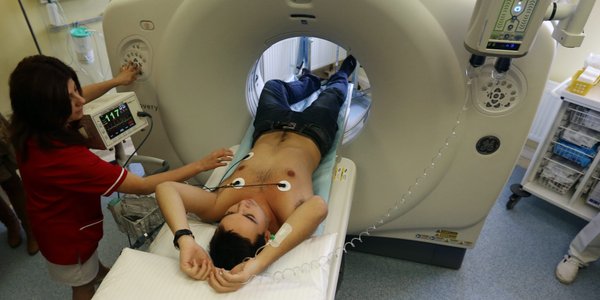
Polish Patient Ombudsman: Hospitals Must Conduct Pre-Admission Diagnostics
Translated from Polish, summarized and contextualized by DistantNews.
TLDR
- Poland's Patient Ombudsman has ruled that hospitals cannot send patients elsewhere for diagnostic tests required before hospitalization.
- The ruling clarifies that hospitals must provide comprehensive care, including necessary diagnostics, and cannot shift this responsibility to patients or other facilities.
- This decision aims to ensure continuity of care and prevent patients from incurring additional costs for essential medical examinations.
The Rzeczpospolita, a leading Polish daily newspaper, reports on a crucial ruling by the Patient Ombudsman, Bartłomiej Chmielowiec, that reinforces patient rights within the national healthcare system. The Ombudsman's office has unequivocally stated that hospitals cannot redirect patients to external clinics or primary care physicians for diagnostic tests, such as ultrasounds or biopsies, that are necessary prerequisites for planned hospital treatment.
Sending a patient to other facilities, and especially sending them for paid tests, is contrary to the law.
This directive is a significant affirmation of the principle of comprehensive healthcare. It underscores that the responsibility for ensuring a patient's readiness for hospital admission, including all required diagnostic procedures, rests squarely with the admitting hospital. The Ombudsman's office has emphasized that sending patients to other facilities, especially for tests that incur out-of-pocket expenses, is a violation of legal regulations.
Hospital treatment also includes diagnostics.
From a Polish perspective, this ruling addresses a persistent issue where patients have been burdened with the task and cost of obtaining necessary medical evaluations before being admitted for treatment. The Rzeczpospolita highlights that this practice not only causes financial strain but also disrupts the continuity of care, which is paramount for effective medical treatment. The Ombudsman's clear stance ensures that the National Health Fund (NFZ) financed system operates as intended, providing integrated care pathways.
In the system financed by the National Health Fund, the patient has the right to choose a provider. It is the facility that has the obligation to organize the provision of services in such a way as to ensure the continuity and safety of treatment for the patient, even if it is necessary to entrust care to another doctor.
The article also references previous statements by the Ombudsman on similar matters, indicating a consistent effort to uphold patient rights. The emphasis on 'kompleksowość świadczeń' (comprehensiveness of services) is a key tenet of Polish healthcare law, ensuring that patients receive a full spectrum of care, from diagnosis to treatment, in a coordinated manner. This ruling serves as a vital reminder to healthcare providers of their obligations and reaffirms the patient's right to receive complete and accessible medical services without undue burden.
Comprehensiveness of health care services is a legal requirement obliging facilities (service providers) to ensure the full treatment process, including diagnostics, consultations, and necessary medical procedures in one place or in a coordinated system. This is intended to ensure continuity of care and full diagnostics for the patient.
DistantNews Editorial
Originally published by Rzeczpospolita in Polish. Translated, summarized, and contextualized by our editorial team with added local perspective. Read our editorial standards.
More Stories



From Our Blog

What Gets Lost (and Found) When News Is Translated

The Critical Role of Diaspora Media in Global News

What Travellers Should Know About Countries with Restricted Press

A Digital Nomad's Guide to Following Local News

How the Same Story Looks Different in Different Countries
