


Polish Science's Declaration of Independence
Translated from Polish, summarized and contextualized by DistantNews.
At a glance
In-depth
Sources not specified
Context piece
- Polish science developed a unique identity while in exile due to the lack of an independent state.
- Scientists adapted by making their laboratory equipment portable and hiding their work within everyday activities.
- This period left a lasting legacy, embedding Polish contributions into the international scientific record.
The absence of an independent Polish state fostered a unique phenomenon: Polish science in exile. This period indelibly marked the international scientific landscape, even embedding Polish contributions into the periodic table.
Instead of talking about the laboratory, they spoke of 'sewing lessons,' 'choir practice,' or 'literary gatherings.'
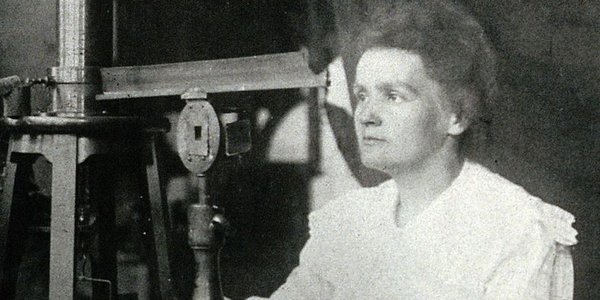
Maria Skłodowska-Curie strategically used the name "Polonia" in scientific discourse, understanding that her physics and chemistry publications would be read in Berlin, Vienna, and St. Petersburg. This was a deliberate assertion of Polish identity within the global scientific community.
Daily life for these exiled scientists was a masterclass in adaptation. Laboratories were disguised as sewing classes, choir practice, or literary gatherings. Lectures were written like recipes or home remedies. Essential laboratory equipment, including glassware, reagents, and spirit burners, had to be fully portable, stored in travel cases or hidden within false walls. Apparatus was set up just before classes and packed away immediately after, with playing cards, sheet music, and coffee cups on tables to maintain a facade of normalcy.
Laboratory equipment had to be fully mobile. Glassware, reagents, and spirit burners were kept in special, easily transportable travel cases or hidden within false walls.
This era of scientific resilience and innovation, born out of necessity, left a permanent symbol of Poland within the scientific world, demonstrating the enduring spirit of Polish scholarship despite political adversity.
The apparatus was set up just before classes and packed away immediately after their conclusion.
DistantNews Editorial
Originally published by Rzeczpospolita in Polish. Translated, summarized, and contextualized by our editorial team with added local perspective. Read our editorial standards.
More Stories


From Our Blog

What Gets Lost (and Found) When News Is Translated

The Critical Role of Diaspora Media in Global News

What Travellers Should Know About Countries with Restricted Press

A Digital Nomad's Guide to Following Local News

How the Same Story Looks Different in Different Countries
