

Political Chess in Romania: Pundit Compares PNL Maneuvers to King Carol II's Power Grab
Translated from Romanian, summarized and contextualized by DistantNews.
At a glance
Analysis
Named sources
Context piece
- Politologist Cristian Pîrvulescu draws a historical parallel between the current political situation in Romania and King Carol II's attempt to control the National Liberal Party (PNL) in 1934.
- The nomination of liberal Adrian Veștea for prime minister by Nicușor Dan is seen as a strategic move that shifts political tensions into the PNL.
- Pîrvulescu warns that the outcome depends on the speed of reaction from factions within the PNL, as current leadership could block Veștea's rise if they act quickly.
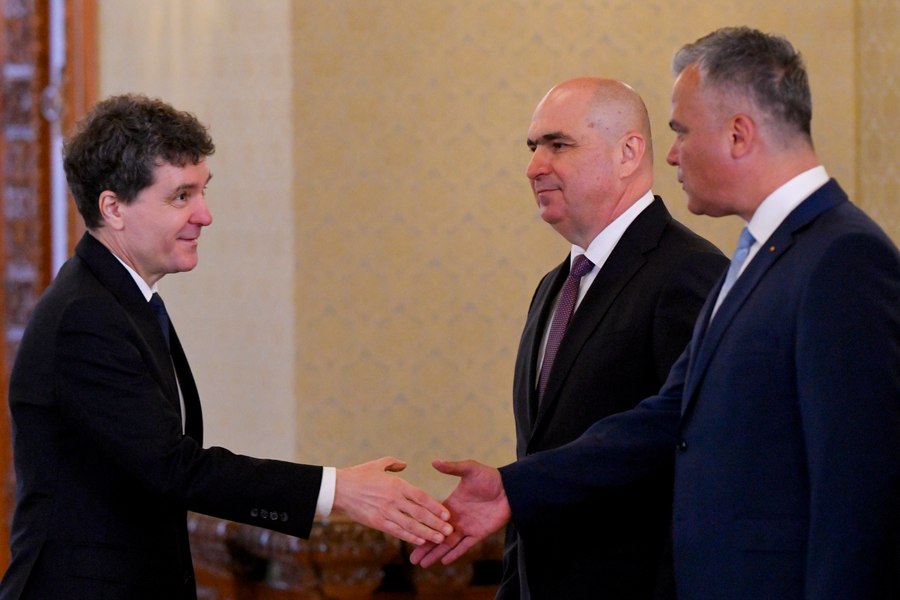
The political landscape in Romania is undergoing a significant shift following Nicușor Dan's nomination of liberal Adrian Veștea for the prime minister position. Politologist Cristian Pîrvulescu views this move not merely as a candidate replacement but as a calculated strategy designed to redirect governmental tensions directly into the heart of the National Liberal Party (PNL).
The president chose this formula that moves the entire confrontation inside the PNL.
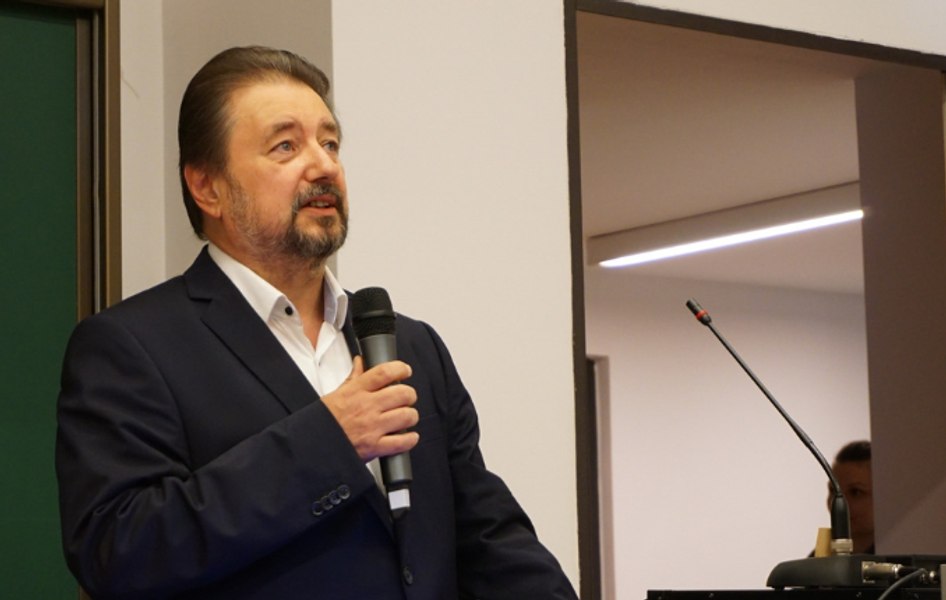
Pîrvulescu explained in an interview that the timing of Eugen Tomac's withdrawal, just before a crucial vote, was strategic. Tomac's potential government was perceived as a "puppet government" of PSD, carrying substantial political risks for the president. Veștea's designation, therefore, emerges as a solution to reposition politically and overcome the deadlock.
I found similar situations in the history of PNL, in January 1934, when King Carol II tried to take control of the PNL and put liberal ministers according to his will.
The most significant consequence, according to Pîrvulescu, is the internal transfer of political conflict within the PNL. He draws a striking historical parallel to January 1934, when King Carol II attempted to seize control of the PNL and install ministers according to his will. "I found similar situations in the history of PNL," Pîrvulescu stated, highlighting the recurring theme of power struggles within the party.
If they don't move quickly, then Ilie Bolojan and Moșneanu will have the opportunity to organize the defense, to organize the congress and to eliminate Mr. Veștea.
Pîrvulescu cautioned that the unfolding situation hinges on the swift reaction of different factions within the PNL. If supporters of Veștea do not act decisively, the current leadership, potentially represented by Ilie Bolojan and Moșneanu, could organize a defense, call for a congress, and block Veștea's ascent. The analyst also noted the uncertain reactions of other parties, with PSD remaining "silent, surprised, and overwhelmed," and USR facing internal tensions due to their prior stance against governing with PSD.
PSD is silent, is surprised, is overwhelmed.
DistantNews Editorial
Originally published by Adevărul in Romanian. Translated, summarized, and contextualized by our editorial team with added local perspective. Read our editorial standards.
More Stories
From Our Blog

What Gets Lost (and Found) When News Is Translated

The Critical Role of Diaspora Media in Global News

What Travellers Should Know About Countries with Restricted Press

A Digital Nomad's Guide to Following Local News

How the Same Story Looks Different in Different Countries
