


Pollen Season Arrives Early and Fierce in South Korea, Causing Widespread Discomfort
Translated from Korean, summarized and contextualized by DistantNews.
TLDR
- South Koreans are experiencing increased discomfort due to an earlier and more intense pollen season this year, linked to rising temperatures.
- Pollen levels have significantly increased compared to last year, with some areas experiencing 'very high' risk levels, advising against outdoor activities.
- Experts attribute the accelerated and prolonged pollen season to climate change, which is causing earlier blooming and fluctuating temperatures.
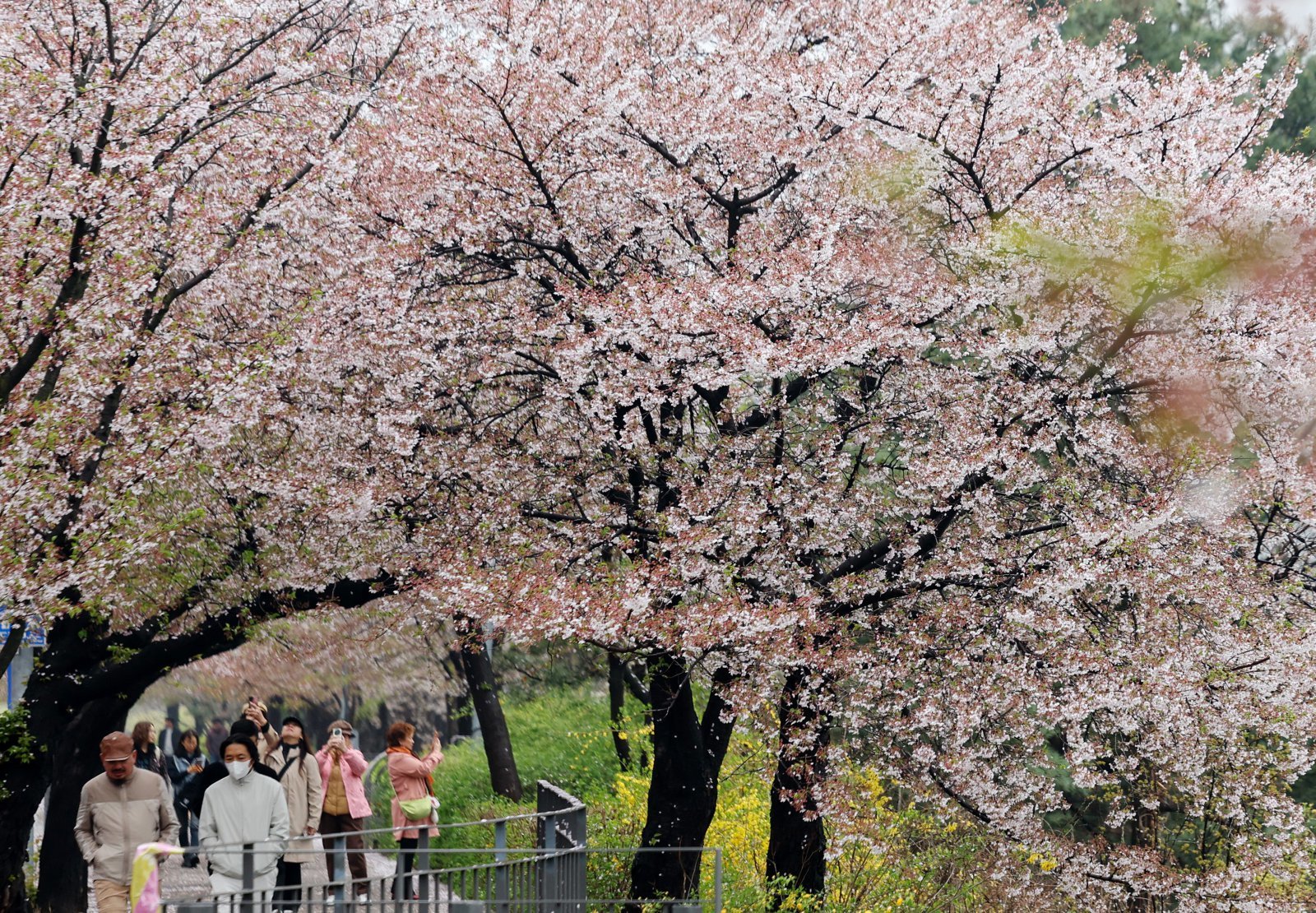
As spring unfolds across South Korea, a familiar yet increasingly bothersome phenomenon is plaguing citizens: pollen. This year, however, the season appears to have arrived with a vengeance, earlier and more potent than usual, leaving many struggling with allergies and respiratory discomfort. The vibrant blossoms that signal the end of winter are, for a growing number, a harbinger of itchy eyes and sneezing fits.
My eldest daughter developed swelling and redness around her eyes, so we recently visited the hospital. It gets particularly severe during the season when dandelion and birch pollen are airborne. Besides prescribed medication, we also give her tea made from jack bean and health supplements.
Reports from various parts of the country paint a consistent picture: pollen counts are soaring. Data from the Korea Meteorological Administration reveals a dramatic increase, with cumulative pollen levels from April 1st to 16th being more than four times higher than the same period last year. This surge is not just a statistical anomaly; it's a lived reality for many, like the mother in Hanam City whose daughter suffers from severe allergic reactions, or the elderly citizens in Yeouido Park who find themselves forced to wear masks even during a stroll.
These days, it's very uncomfortable with fine dust and pollen. I have allergies, so it would be good if they planted trees that don't release pollen. Everyone around me is wearing masks.
The scientific community points to a clear culprit: climate change. Rising average temperatures are causing trees to bloom significantly earlier than in previous decades. This shift, coupled with erratic weather patterns, means that pollen season is not only starting sooner but is also becoming more unpredictable. Experts warn that this trend is likely to continue, exacerbating the problem in the years to come.
The average start date for pollen dispersal from four species of coniferous trees, including pine and fir, has advanced by more than 15 days compared to the 2010s.
This phenomenon has tangible impacts beyond personal discomfort. Businesses, from laundromats to car washes, are reporting increased demand as people try to mitigate the effects of the pervasive pollen. The inconvenience extends to public spaces, with a visible layer of yellow dust settling on park benches and public facilities. As South Korea grapples with the environmental shifts, the annual battle against pollen serves as a stark reminder of the broader challenges posed by a changing climate.
The timing of the temperature rise is about 2 to 3 weeks earlier than the average, showing weather patterns typical of early May already. The problem is that extreme weather causes temperatures to fluctuate. It could suddenly get cold, or the fruit might not mature properly due to excessive yield.
DistantNews Editorial
Originally published by Dong-A Ilbo in Korean. Translated, summarized, and contextualized by our editorial team with added local perspective. Read our editorial standards.
More Stories



From Our Blog

What Gets Lost (and Found) When News Is Translated

The Critical Role of Diaspora Media in Global News

What Travellers Should Know About Countries with Restricted Press

A Digital Nomad's Guide to Following Local News

How the Same Story Looks Different in Different Countries
