

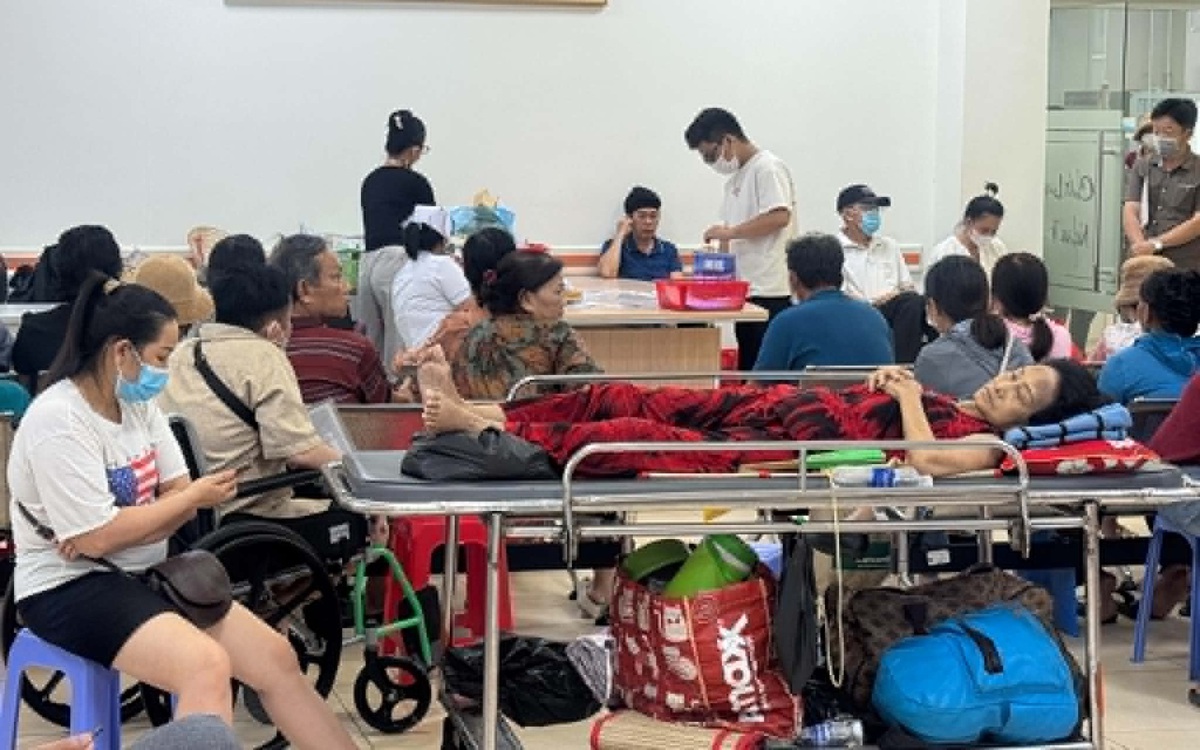

Poor Sleep Linked to Higher Cancer Risk in Young People, Studies Find
Translated from Vietnamese, summarized and contextualized by DistantNews.
At a glance
News
Sources not specified
Context piece
- Poor sleep quality is linked to an increased risk of early-onset cancers, particularly in younger individuals.
- Studies show women with insomnia have a significantly higher risk of breast, uterine, and ovarian cancers, while both sexes face increased colorectal cancer risk.
- Experts emphasize maintaining adequate, quality sleep as a crucial component of long-term health strategies, especially amid rising cancer rates in those under 50.
New research suggests that insufficient sleep and sleep disorders may directly contribute to a rise in certain early-onset cancers. Two large-scale studies involving 18 million people, presented at the American Society of Clinical Oncology's annual meeting, found a correlation between sleep issues and increased cancer risk in individuals under 50.
Specifically, women experiencing insomnia face a threefold higher risk of breast cancer within five years, a doubled risk of uterine cancer, and a 60% increase in ovarian cancer risk. For both men and women, the risk of developing colorectal cancer rises by as much as 85%.
This warning comes as cancer rates among those under 50 are escalating, marking an almost 80% increase between 1990 and 2019. However, health experts caution that these findings indicate a correlation rather than direct causation. Prolonged sleep deprivation often coexists with other risk factors like obesity, sedentary lifestyles, stress, or even undiagnosed tumors that disrupt sleep.
In Israel, specialists at Sheba Medical Center note a similar trend of younger cancer patients, exacerbated by chronic sleep loss due to war and security-related stress. They recommend prioritizing sufficient, quality sleep alongside traditional health advice like avoiding smoking, limiting alcohol, and exercising, positioning it as a vital element in long-term health preservation.
DistantNews Editorial
Originally published by Tuổi Trẻ in Vietnamese. Translated, summarized, and contextualized by our editorial team with added local perspective. Read our editorial standards.
More Stories
From Our Blog

What Gets Lost (and Found) When News Is Translated

The Critical Role of Diaspora Media in Global News

What Travellers Should Know About Countries with Restricted Press

A Digital Nomad's Guide to Following Local News

How the Same Story Looks Different in Different Countries
