

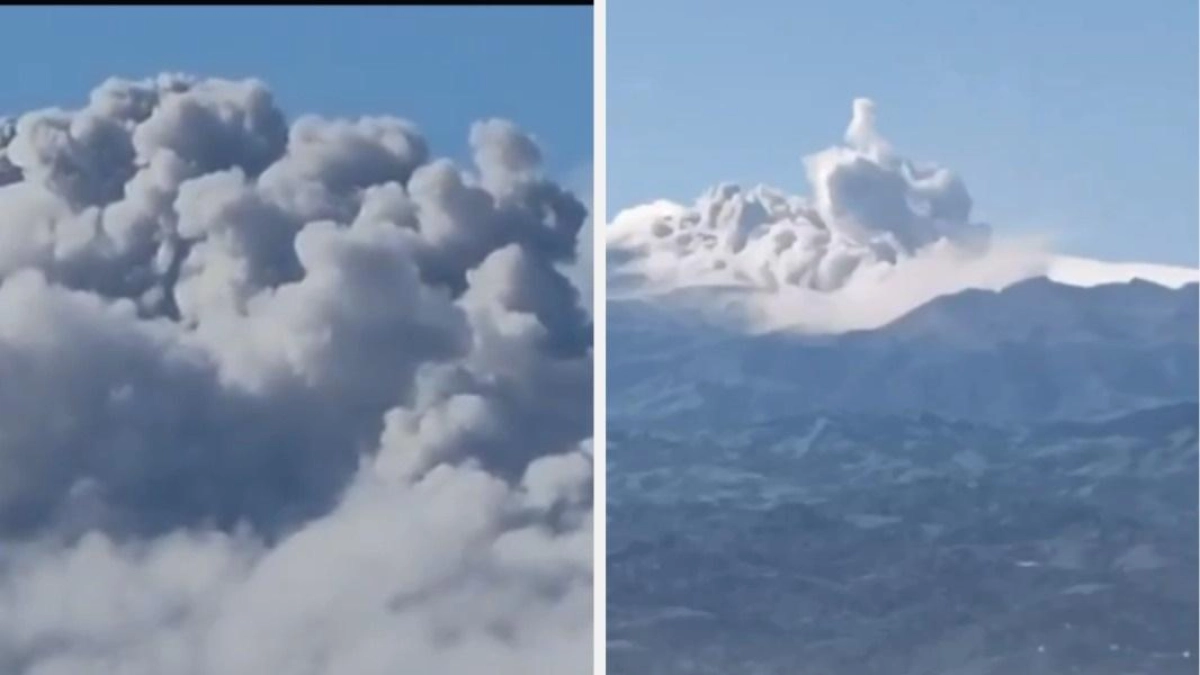
Popayán Airport Reopens After Volcanic Ash Forces Temporary Closure
Translated from Spanish, summarized and contextualized by DistantNews.
At a glance
News
Named sources
Outcome reported
- The Guillermo León Valencia Airport in Popayán, Colombia, has reopened after a temporary closure due to volcanic ash from the Puracé volcano.
- The closure, a safety measure, aimed to prevent damage to aircraft engines from abrasive ash particles.
- The airport's reopening allows for the normalization of air travel, which had impacted routes to cities like Cali, Puerto Asís, and Florencia.
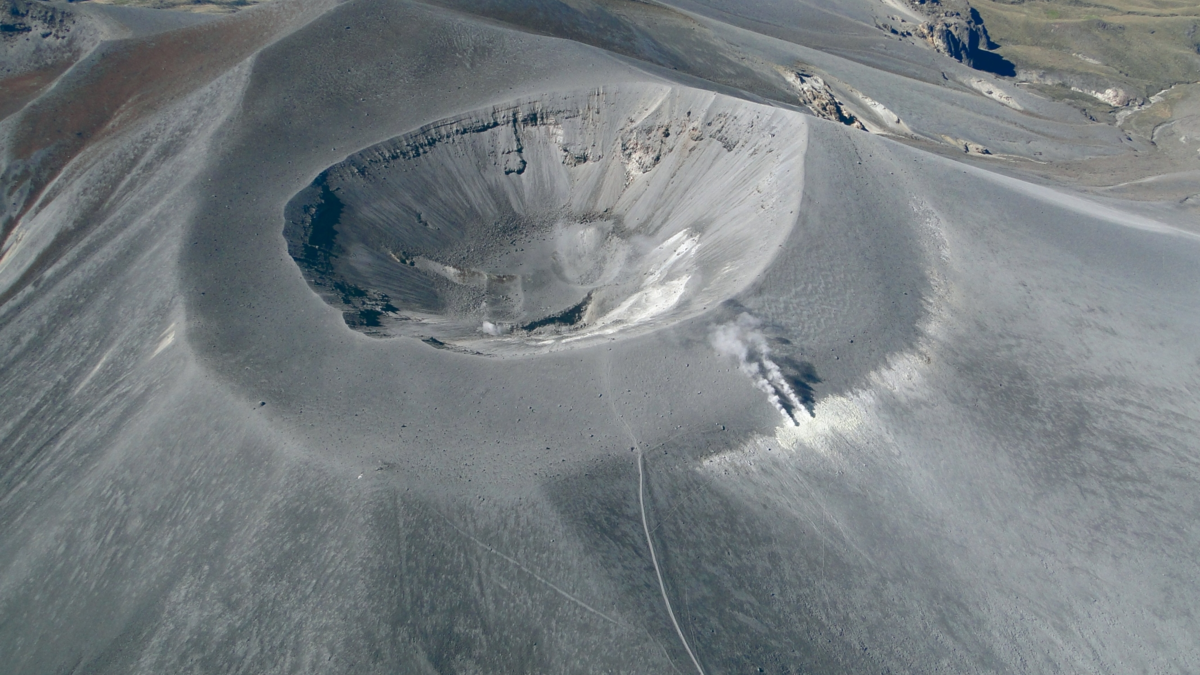
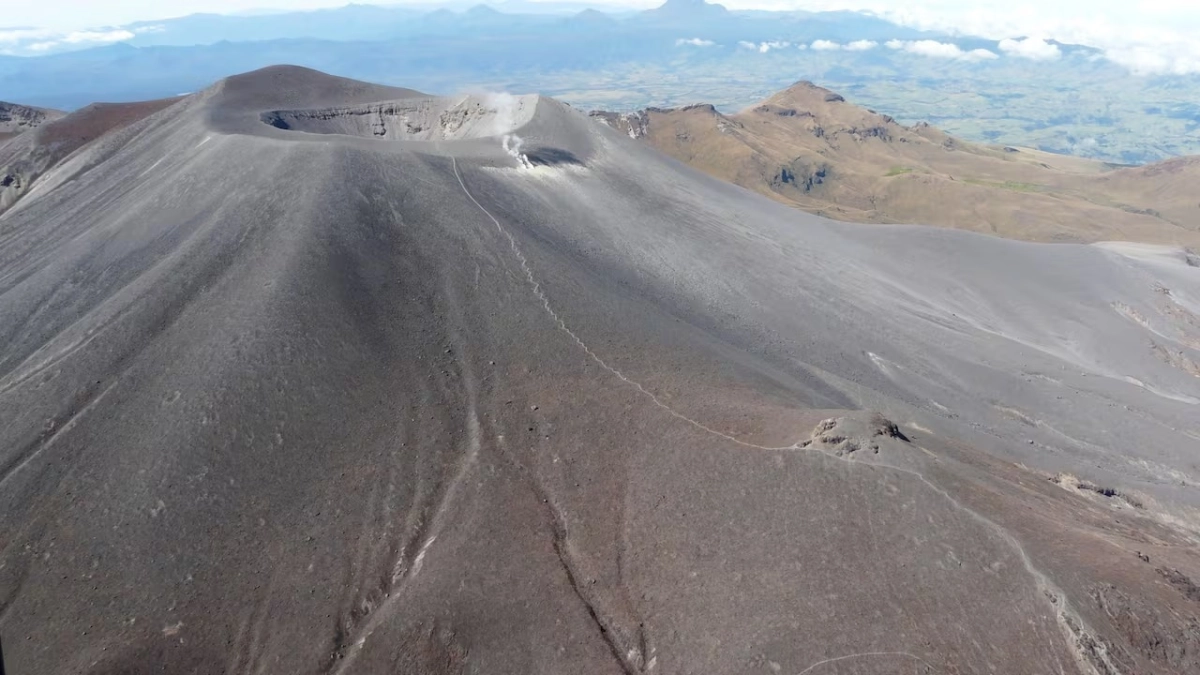
The Guillermo León Valencia Airport in Popayán, Colombia, has resumed operations after being temporarily shut down due to volcanic ash from the nearby Puracé volcano. The closure, implemented as a precautionary safety measure, aimed to protect aircraft engines from the abrasive ash particles, which can cause significant damage and potential failures.
The Aeronáutica Civil announced the reopening after technical assessments and reports from the Volcanic Ash Advisory Center (VAAC) in Washington and the Colombian Geological Service confirmed favorable conditions for air navigation. The Puracé volcano remains on orange alert, indicating a heightened risk.
The airport's closure affected at least five commercial routes, disrupting travel to and from cities such as Cali, Puerto Asís, and Florencia. This led to cancellations, delays, and itinerary changes, causing frustration among passengers. The resumption of flights is expected to normalize air travel, though authorities caution that minor adjustments to schedules may occur as air traffic fully stabilizes.
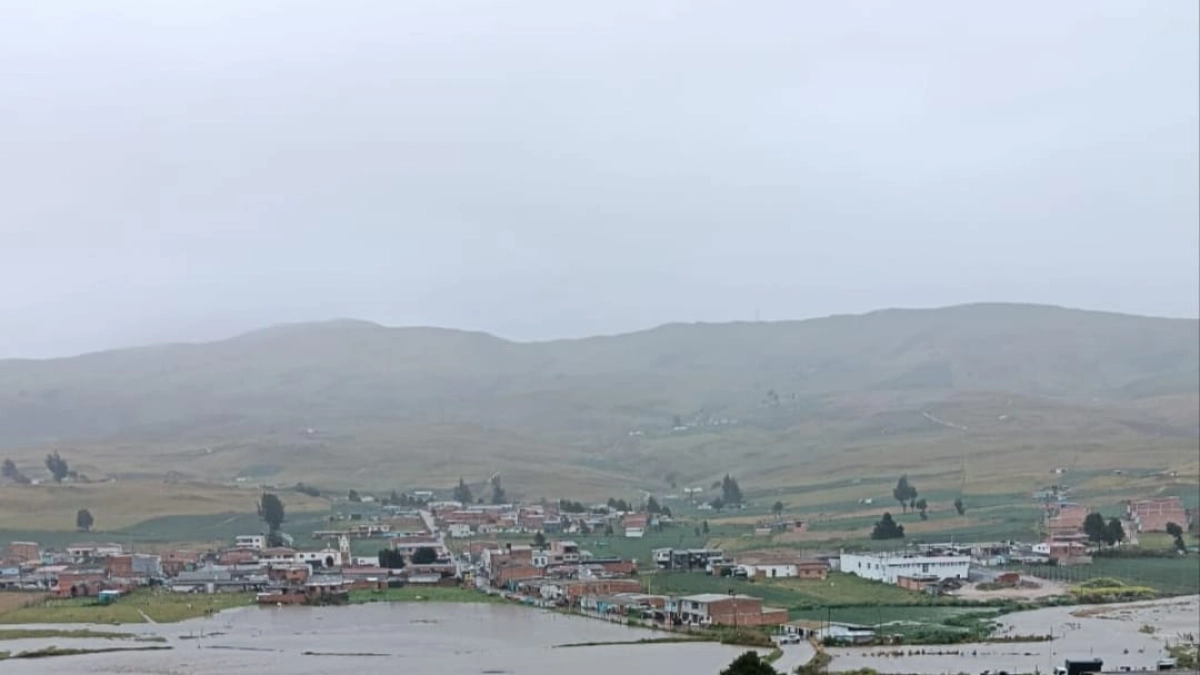
The volcanic ash, a significant risk to aviation, originates from recent emissions by the Puracé volcano. Authorities have identified an "affected polygon" encompassing Popayán and surrounding areas, noting that ashfall occurs intermittently, necessitating continuous monitoring of the airspace.
The presence and ingestion of particles can compromise the correct functioning of the engines.
DistantNews Editorial
Originally published by El Tiempo in Spanish. Translated, summarized, and contextualized by our editorial team with added local perspective. Read our editorial standards.
More Stories

From Our Blog

What Gets Lost (and Found) When News Is Translated

The Critical Role of Diaspora Media in Global News

What Travellers Should Know About Countries with Restricted Press

A Digital Nomad's Guide to Following Local News

How the Same Story Looks Different in Different Countries
