


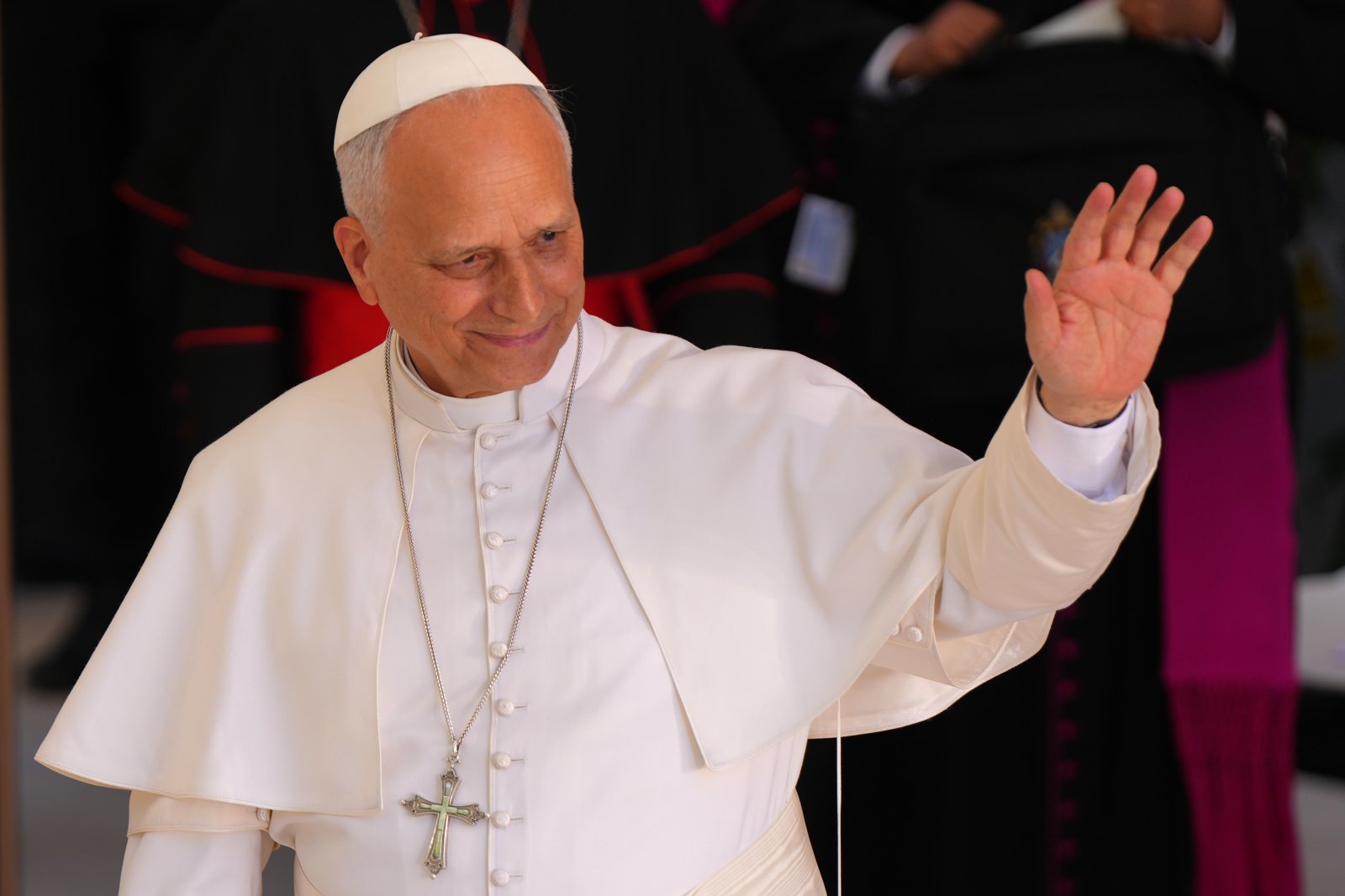
Pope Francis to visit three South American countries in November, including Peru
Translated from Korean, summarized and contextualized by DistantNews.
At a glance
News
Named sources
New plan
- Pope Francis will visit three South American countries, Uruguay, Argentina, and Peru, from November 6-17.
- The trip includes visits to 10 cities across the three nations.
- Peru holds special significance as the Pope served as a missionary and bishop there for decades.
Pope Francis is set to embark on a 12-day pastoral visit to three South American nations: Uruguay, Argentina, and Peru, from November 6 to 17. The pontiff will travel to 10 cities across these countries, marking a significant return to a region deeply connected to his past.
The itinerary includes Montevideo, Paysandú, and Florida in Uruguay (Nov. 6-8); Buenos Aires, Córdoba, and Luján in Argentina (Nov. 8-11); and Lima, Chiclayo, Cusco, and Pucallpa in Peru (Nov. 11-17). Peru holds particular importance for Pope Francis, who spent decades there as a missionary and bishop. He began his missionary work in the northern diocese of Chiclayo and later served as its bishop. His return to Chiclayo is anticipated to be an emotional highlight of the trip.
Born in Chicago, Pope Francis first arrived in Peru in 1985 at the age of 30. He lived and worked as a missionary in the country for over three decades, dividing his time between Peru and the United States. In 2014, he was appointed bishop of Chiclayo by the then-Pope Francis and later obtained Peruvian citizenship, leading the diocese until 2023.
This visit also marks a significant return to Argentina and Uruguay after more than 40 years. Pope Francis will be the first pope to visit Argentina since John Paul II in 1987. Although Argentina is the homeland of his predecessor, Pope Benedict XVI, he never visited during his eight-year papacy despite multiple invitations. This trip underscores the Vatican's focus on Latin America, the region with the largest Catholic population globally, where the Church faces challenges of declining influence.
DistantNews Editorial
Originally published by Dong-A Ilbo in Korean. Translated, summarized, and contextualized by our editorial team with added local perspective. Read our editorial standards.
More Stories



From Our Blog

What Gets Lost (and Found) When News Is Translated

The Critical Role of Diaspora Media in Global News

What Travellers Should Know About Countries with Restricted Press

A Digital Nomad's Guide to Following Local News

How the Same Story Looks Different in Different Countries
