

Pope Leo XIV does not fear Trump administration amid Iran war criticism
Translated from German, summarized and contextualized by DistantNews.
TLDR
- The Pope has criticized US President Donald Trump's actions during the Iran war and his handling of migrants.
- Trump responded angrily to the Pope's moral criticism, but the Pope stated he does not fear the US administration.
- The article discusses the historical political and spiritual influence of the papacy, contrasting it with secular power and referencing past papal conflicts with secular rulers.
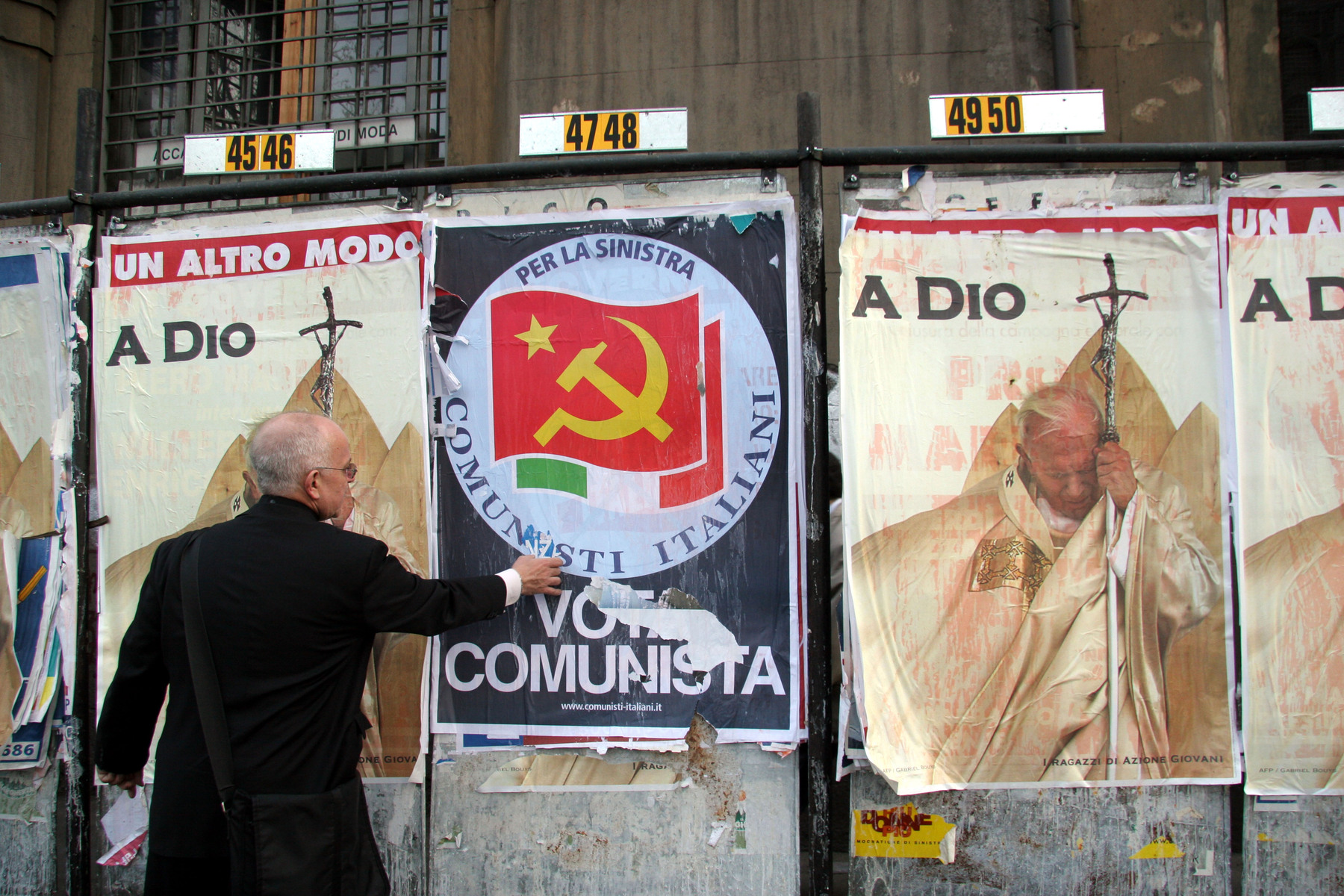
The Vatican's moral authority has once again found itself in a clash with a powerful secular leader, this time US President Donald Trump. While Trump, known for his transactional approach to foreign policy, lashed out at Pope Leo XIV for perceived moral attacks during the Iran conflict and his stance on migrants, the Pontiff's measured response underscores the enduring spiritual influence of the papacy. The Pope's declaration that he does not fear the Trump administration echoes centuries of papal resilience in the face of temporal powers.
This confrontation highlights a recurring theme in history: the tension between religious and secular authority. The papacy, with its 1.4 billion followers worldwide, wields a unique form of influence that transcends borders and political systems. Unlike the 'divisions' Stalin once dismissively inquired about, the Pope's power lies in his spiritual leadership and the moral weight he carries.
As the article notes, the papacy has historically relied on its spiritual leadership rather than direct state power for its influence. The existence of the Papal States, while offering protection from excessive secular dependency, also entangled the Popes in worldly conflicts. The bold claims of Boniface VIII in the 14th century, asserting papal supremacy over secular rulers, led to his humiliation and the subsequent Avignon Papacy, a period of French dominance that fractured the Church.
From a European perspective, the papacy's role has always been intertwined with the continent's political and religious landscape. The historical relationship between the Holy Roman Emperors and the Popes, with coronations in Rome in exchange for protection of the Papal States, shaped centuries of European history. The Avignon Papacy serves as a stark reminder of the dangers of temporal entanglement and the importance of maintaining the spiritual independence of the Holy See. While Western media might focus on the immediate political implications of this papal-presidential spat, for Europe, it resonates with a long and complex history of church-state relations.
Manches spricht dafür, dass Trump sich seiner eigenen Machtlosigkeit in diesem Fall durchaus bewusst ist und er deshalb umso wütender reagiert
DistantNews Editorial
Originally published by Die Presse in German. Translated, summarized, and contextualized by our editorial team with added local perspective. Read our editorial standards.
More Stories

From Our Blog

What Gets Lost (and Found) When News Is Translated

The Critical Role of Diaspora Media in Global News

What Travellers Should Know About Countries with Restricted Press

A Digital Nomad's Guide to Following Local News

How the Same Story Looks Different in Different Countries
