


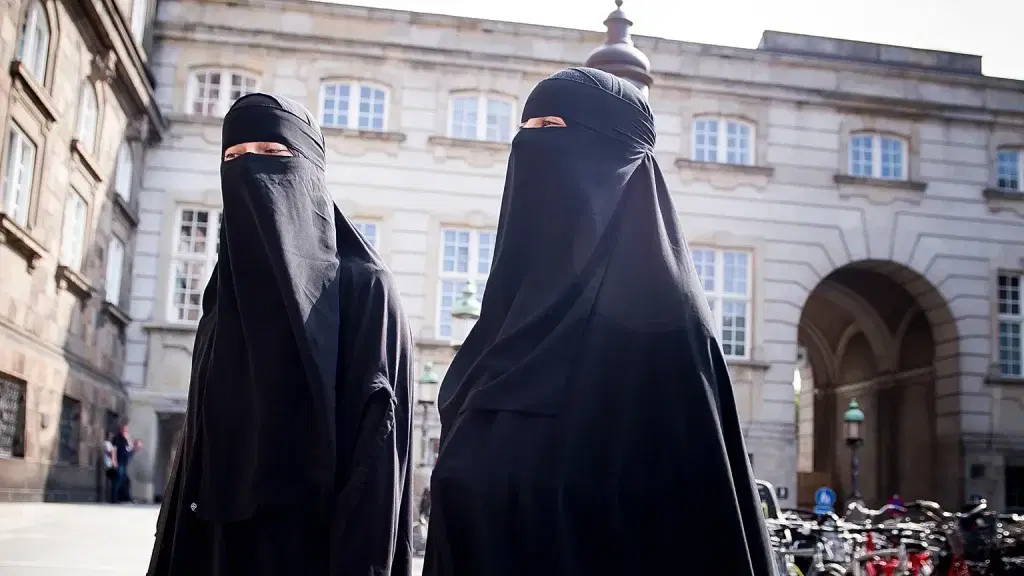
Portugal bans face coverings in public spaces amid criticism
Translated from English, summarized and contextualized by DistantNews.
At a glance
News
Named sources
Approved/passed
- Portugal has enacted a law banning face coverings in public spaces, including full-face veils.
- The law, criticized as targeting Muslim women, prohibits clothing that conceals the face and makes it an offense to force someone to cover their face.
- Violators face fines, though exemptions exist for health, professional, artistic, and weather-related reasons, and the law does not apply in places of worship or diplomatic missions.
Portugal has officially banned face coverings in public spaces, a move that has drawn significant criticism for allegedly targeting Muslim women who wear full-face veils. President António José Seguro signed the legislation into law after its approval by parliament in July. The new law prohibits any clothing or items designed to conceal a person's face or hinder identification in public areas.
The face must be considered a central element of human identity and communication.
Furthermore, the legislation makes it an offense to compel another person to cover their face based on gender, religion, age, or origin. President Seguro defended the measure, stating that the face is crucial for human interaction and identity. "The face must be considered a central element of human identity and communication," he said in a statement.
The legislation, referred to by Portuguese media as the "burqa law," received backing from the governing right-wing coalition and far-right parties, while left-wing parties opposed it. Violators could face fines ranging from €150 to €3,000. However, the law includes exemptions for health, professional, artistic, and weather-related reasons. It also does not apply within places of worship, diplomatic missions, or on aircraft.
The face must be considered a central element of human identity and communication.
Opposition parties and legal organizations have voiced concerns about the law's potential impact on religious freedom and its risk of fostering discrimination against Muslim communities. The Portuguese Socialist Party (PS) described the legislation as having an "Islamophobic purpose," while the Portuguese Communist Party (PCP) argued it was aimed at fueling hostility towards minority groups rather than addressing women's rights or security. Livre accused right-wing parties of creating a "moral panic over a supposed Islamic invasion."
The legislation, referred to by Portuguese media as the “burqa law”, was backed by the governing right-wing coalition and far-right parties, while left-wing parties opposed it.
Supporters of the law emphasize its role in identification and public communication. President Seguro acknowledged the issue's "great social and cultural sensitivity." Portugal now joins several European countries that have implemented restrictions on face coverings, though the specifics and exemptions vary.
The PS described the legislation as having an “Islamophobic purpose”.
DistantNews Editorial
Originally published by Vanguard in English. Translated, summarized, and contextualized by our editorial team with added local perspective. Read our editorial standards.
More Stories



From Our Blog

How the Same Story Looks Different in Different Countries

What Gets Lost (and Found) When News Is Translated

The Critical Role of Diaspora Media in Global News

What Travellers Should Know About Countries with Restricted Press

A Digital Nomad's Guide to Following Local News
