

Postnatal Depression in Romania: The Silent Struggle of Mothers
Translated from Romanian, summarized and contextualized by DistantNews.
TLDR
- Postnatal depression in Romania is frequently underdiagnosed due to a lack of real screening and concrete support systems.
- Many mothers appear functional but suffer from exhaustion, guilt, and isolation, often masked by a facade of well-being.
- Experts emphasize the need for early prevention and support, both from family and society, to address the silent struggles of new mothers.
Adevărul sheds light on the critical issue of underdiagnosed postnatal depression in Romania, a topic that resonates deeply within our society. While the birth of a child is often portrayed as a moment of pure joy, the reality for many mothers is a challenging period marked by exhaustion, guilt, and isolation, struggles that remain largely invisible.
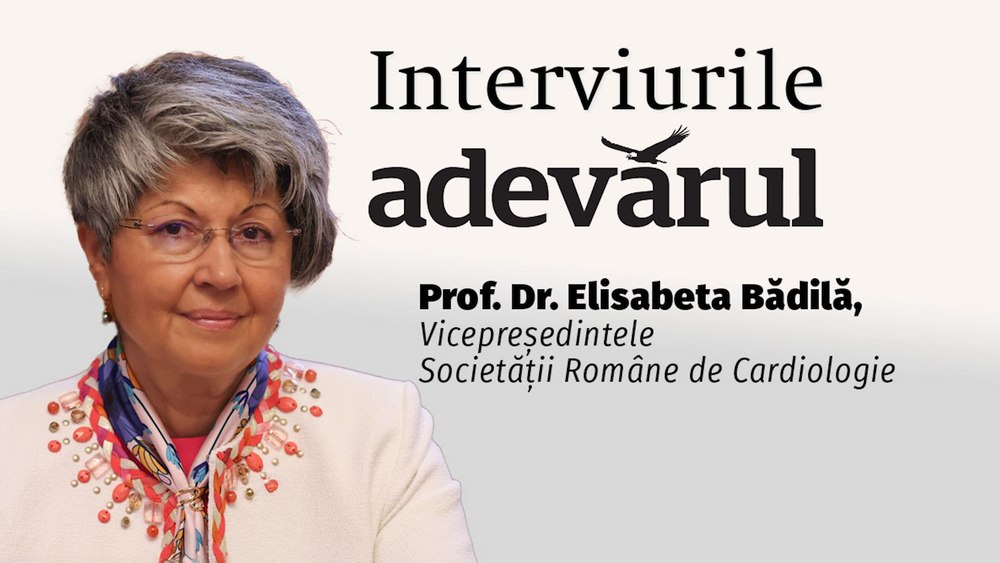
Depresia postpartum nu arată mereu cum ne așteptăm și, de cele mai multe ori, nu este recunoscută de cei din jur. În România este clar subdiagnosticată, iar lipsa unei rețele reale de screening face ca multe cazuri să nu ajungă niciodată în statistici.
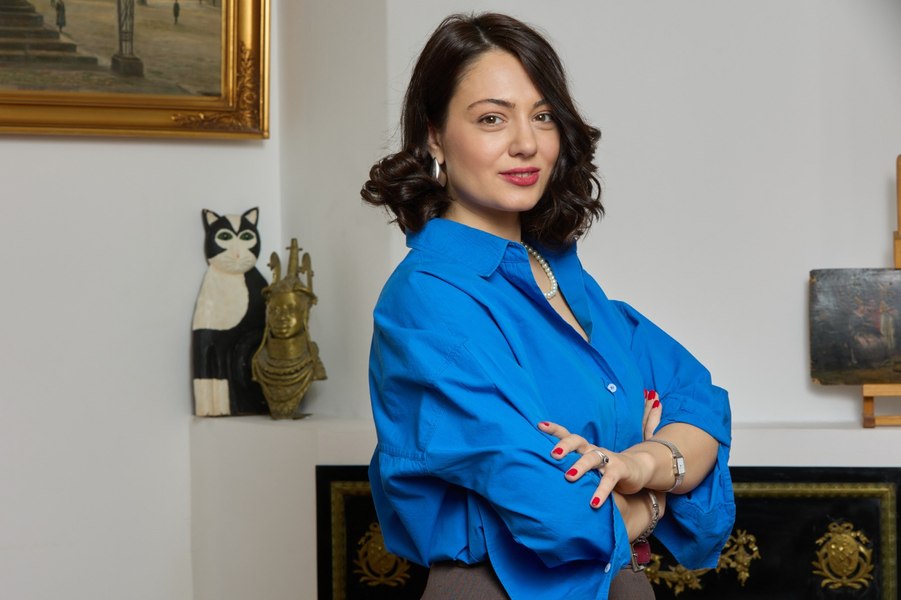
Dr. Venera Predoiu, a respected physician and president of the Mamaz Foundation, highlights in this interview that postnatal depression doesn't always manifest as expected. The lack of a robust screening network means many cases go unnoticed, failing to be captured in statistics. This article underscores the importance of recognizing the subtle signs in mothers who appear to be coping but are functioning on autopilot, a common scenario in Romania where societal pressures often prevent women from seeking or receiving adequate help.
Mama în depresie nu stă neapărat în pat plângând. De cele mai multe ori ea arată funcțională, de aceea e așa periculos. Ea are copilul îngrijit, poate casa este în ordine, răspunde politicos, dar este o mamă care nu mai simte bucurie, nici măcar când își ține copilul în brațe; trăiește cu o vinovăție constantă că nu este cum ar trebui, cum vede pe Instagram sau la prieteni; este epuizată, dar nu poate dormi nici când are ocazia; simte că dispare ca om, că nu mai există în afara rolului de mamă; începe să se izoleze, dar fără să pară vizibil pentru ceilalți; funcționează pe pilot automat.
The piece emphasizes that the family unit, traditionally a strong support system, is strained as younger generations often raise children without the extensive help of extended family. This makes the role of societal support, through well-organized support groups and community initiatives, even more crucial. Adevărul believes that fostering an environment where mothers feel safe to express their vulnerability, without judgment, is paramount to their well-being and the healthy development of their families.
O femeie nu ajunge la capătul puterilor brusc, ci prin acumulări tăcute.
DistantNews Editorial
Originally published by Adevărul in Romanian. Translated, summarized, and contextualized by our editorial team with added local perspective. Read our editorial standards.
More Stories

From Our Blog

What Gets Lost (and Found) When News Is Translated

The Critical Role of Diaspora Media in Global News

What Travellers Should Know About Countries with Restricted Press

A Digital Nomad's Guide to Following Local News

How the Same Story Looks Different in Different Countries
