

Postpartum depression in fathers: A reality lived in silence
Translated from Spanish, summarized and contextualized by DistantNews.
At a glance
News
Named sources
Context piece
- Postpartum depression affects approximately 1 in 10 fathers, a reality often experienced in silence due to societal expectations and minimized emotional responses.
- Men undergo hormonal changes during their partner's pregnancy and after childbirth, which can trigger crises in identity, relationships, and finances.
- Experts emphasize the crucial need for emotional support for fathers, as their well-being significantly impacts the entire family unit.
The arrival of a child is often painted with broad strokes of joy and hope, but for many fathers, this transition can also bring waves of sadness, exhaustion, and anxiety. Specialists are increasingly highlighting postpartum depression in fathers, a condition commonly associated with mothers but significantly impacting men as well.
Some studies point to an increase in certain hormones that reduce testosterone.
Statistics from UNICEF indicate that about 1 in 10 fathers experience postpartum depression. This is partly due to hormonal shifts men undergo during their partner's pregnancy and after the birth. Clinical psychologist Javier Dávila explains that these changes can reduce testosterone levels and potentially trigger significant life crises related to finances, the couple's relationship, and a father's sense of identity.
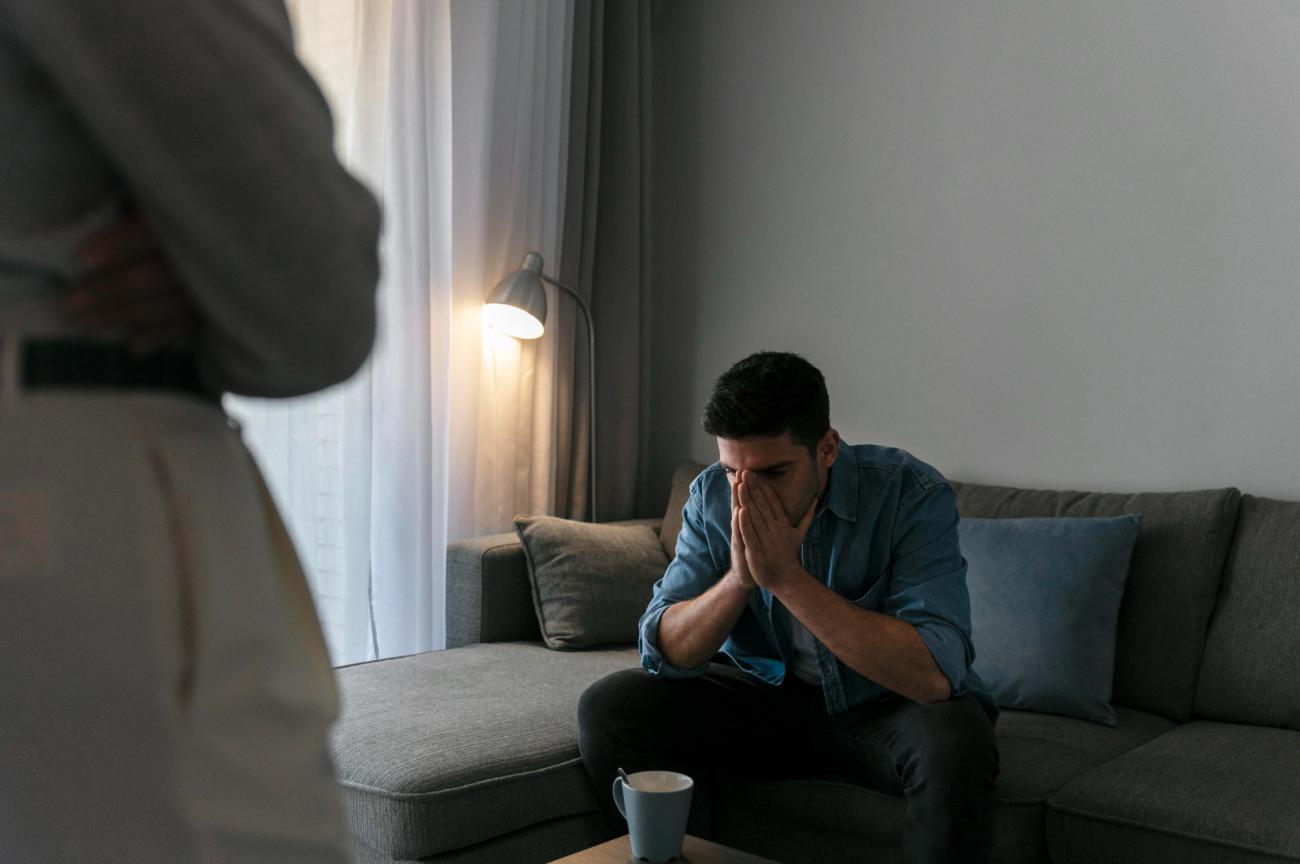
Many fathers struggle to voice their emotional turmoil, often met with dismissive comments like, "You don't know what it's like to be pregnant." Such invalidation can deepen emotional distress. María Cecilia Armijos, a specialist in child development, notes that society's focus remains squarely on the mother and baby, leaving fathers' emotional experiences overlooked.
You don't know what it's like to be pregnant or give birth.
Armijos stresses the importance of creating space for fathers to identify and express their feelings. Drawing from systemic development theory, she explains that the well-being of one partner directly influences the other. "We are not isolated beings; everything that happens to one affects the other," she stated.
Indeed, they are not always given a place, especially socially, because the focus is clearly on the mother and the baby.
Through support programs like '2 Latidos,' many fathers have shared their struggles in processing the intense early days of parenthood. Persistent anxiety and the fear of losing their child are difficult experiences that can linger long after the initial period, underscoring the critical need for accessible emotional support for new fathers.
We are not isolated beings; everything that happens to one affects the other.
DistantNews Editorial
Originally published by El Comercio in Spanish. Translated, summarized, and contextualized by our editorial team with added local perspective. Read our editorial standards.
More Stories


From Our Blog

What Gets Lost (and Found) When News Is Translated

The Critical Role of Diaspora Media in Global News

What Travellers Should Know About Countries with Restricted Press

A Digital Nomad's Guide to Following Local News

How the Same Story Looks Different in Different Countries
