


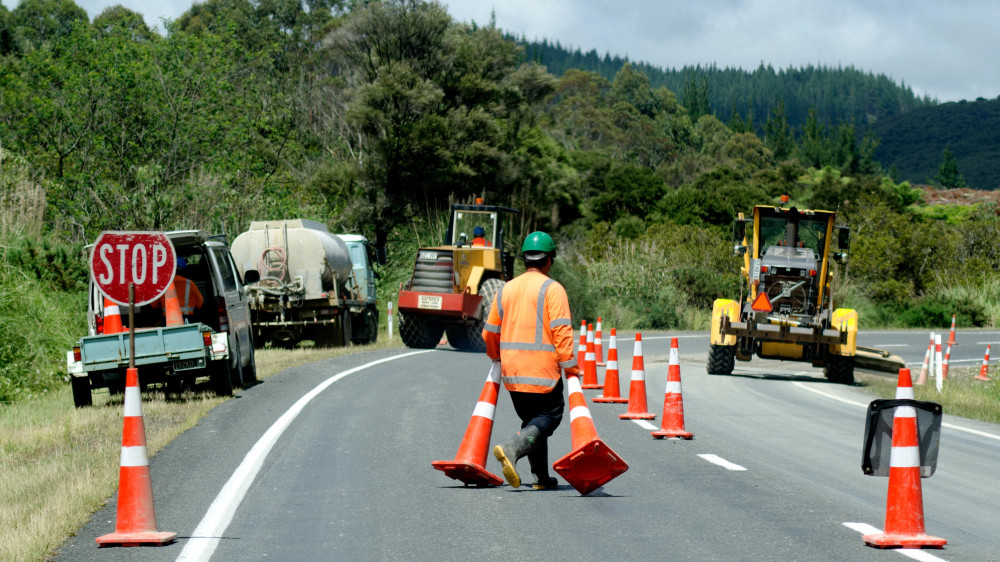
Potholes, markings, and signs - unified warranty rules introduced for Kazakhstan's roads for the first time
Summarized and contextualized by DistantNews.
At a glance
News
Official statement
New plan
- Kazakhstan has introduced unified warranty rules for city road operations and repairs for the first time.
- New regulations cover road surfaces, bridges, signage, markings, lighting, barriers, and curbs.
- Innovations include a protective wear layer for roads and mandatory post-completion inspections for contractors.
Kazakhstan has established unified requirements for the maintenance and repair of urban roads, a significant first for the nation. Developed by the Kazakhstan Road Research Institute, the new regulations standardize the upkeep of all road infrastructure, including surfaces, bridges, signage, markings, lighting, barriers, and curbs. A key innovation is the mandatory installation of a protective wear layer during major repairs. This top coating is designed to absorb the brunt of traffic and environmental wear, making future replacements simpler and more cost-effective. The approach aims to reduce cracking and rutting, thereby extending the overall lifespan of road surfaces.
Contractors will face increased scrutiny under the new rules. Their responsibility extends beyond project completion, with scheduled road inspections mandated throughout the warranty period. Any defects identified must be rectified by the contracting organization as part of their warranty obligations. The regulations also set standards for winter maintenance, requiring de-icing materials to comply with national norms, while permitting the use of common technical salt.
International practices highlight the importance of these changes. Germany enforces strict technical standards, obliging contractors to fix defects at their own expense or face legal consequences and blacklisting. German contractors must provide a warranty of two to five years, and those with systematic defects are barred from public procurement. In Japan, a state customer evaluates repair quality, impacting a contractor's ability to win future tenders. Serious violations can lead to suspension from public procurement. The United States employs a federal body for oversight, and contractors must secure warranty bonds from insurance companies, ensuring repairs if the firm defaults.
For the first time, Kazakhstan has approved unified requirements for the operation and repair of city roads.
DistantNews Editorial
Originally published by Tengrinews. Summarized and contextualized by our editorial team with added local perspective. Read our editorial standards.
More Stories


From Our Blog

What Gets Lost (and Found) When News Is Translated

The Critical Role of Diaspora Media in Global News

What Travellers Should Know About Countries with Restricted Press

A Digital Nomad's Guide to Following Local News

How the Same Story Looks Different in Different Countries
