

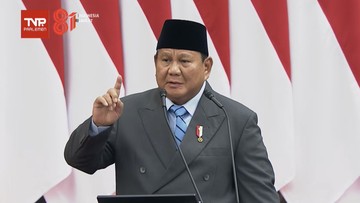

Prabowo Unveils Plans for Air Ambulance Service
Summarized and contextualized by DistantNews.
At a glance
News
Official statement
New plan
- Indonesian President Prabowo Subianto proposed establishing an air ambulance service using helicopters and small planes.
- The initiative aims to improve healthcare access for individuals in critical condition, especially in remote areas.
- Prabowo also detailed plans to build and revitalize numerous regional hospitals across the country.
President Prabowo Subianto has unveiled a proposal to create an air ambulance service, utilizing helicopters and small planes, to enhance emergency medical evacuations across Indonesia. The initiative aims to ensure that no one is denied critical care due to geographical or logistical challenges.
"We will create air ambulances using helicopters and small planes. So that no one can escape if they are sick," Prabowo stated during a presentation on the 2027 State Budget. He explained that the idea stemmed from numerous public reports highlighting difficulties in accessing healthcare, particularly citing instances where mothers died during childbirth due to long travel times caused by poor road infrastructure and distance from medical facilities.
We will create air ambulances using helicopters and small planes. So that no one can escape if they are sick.
Prabowo emphasized the versatility of the proposed air ambulances, noting their ability to land on various terrains, including grassy fields, sandy areas, and riverbanks. "Even if necessary, doctors will be flown to areas where people are seriously ill or facing disasters," he added, underscoring the service's potential to reach remote and disaster-stricken regions.
In addition to the air ambulance plan, Prabowo outlined significant investments in healthcare infrastructure. He announced that the government has already constructed 66 regional hospitals in underdeveloped, frontier, and outermost (3T) areas. Looking ahead, plans are in motion to build and revitalize an additional 441 regional general hospitals. Prabowo has directed all districts and cities to establish hospitals equipped with advanced technology to improve life-saving capabilities.
Even if necessary, doctors will be flown to areas where people are seriously ill or facing disasters.
DistantNews Editorial
Originally published by Tempo. Summarized and contextualized by our editorial team with added local perspective. Read our editorial standards.
More Stories


From Our Blog

What Gets Lost (and Found) When News Is Translated

The Critical Role of Diaspora Media in Global News

What Travellers Should Know About Countries with Restricted Press

A Digital Nomad's Guide to Following Local News

How the Same Story Looks Different in Different Countries
