



Preliminary Result: AfD Wins Saxony-Anhalt Election but Falls Short of Majority
Translated from German and summarized by DistantNews. Read the original for the full story.
At a glance
News
From a news agency
Ongoing story
- The AfD won 43.8% of the vote in Saxony-Anhalt, ahead of the CDU at 17.2%, but fell short of the 42 seats needed for an absolute majority.
- The SPD, Greens, Left and BSW also entered the state parliament, while the FDP failed to clear the threshold.
- Other parties had ruled out a coalition with the AfD, leaving the formation of a government uncertain.
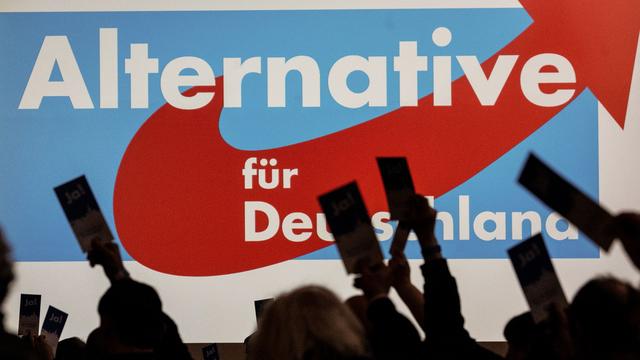
The AfD won Saxony-Anhalt’s state election with 43.8% of the vote, according to the preliminary result, but it did not secure the majority needed to govern alone. The party finished far ahead of the governing CDU, which took 17.2%.
The state election authority announced the result overnight in Halle an der Saale. The AfD, whose state branch Germany’s domestic intelligence service classifies as definitively right-wing extremist, won 39 of the 83 seats in the Magdeburg state parliament. The CDU took 15 seats.
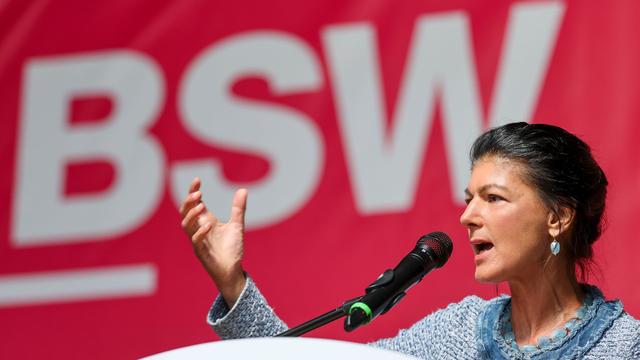
The SPD, Greens and Left each won eight seats, while the BSW entered parliament with five. The FDP received 2.6% and lost its representation. State party leader Sylvia Hüskens announced her resignation.
The AfD needed 42 seats for an absolute majority. The other parties together hold 44 seats, but all had ruled out forming a coalition with the AfD before the election. It remains unclear whether the party could persuade individual lawmakers from other groups to support Ulrich Siegmund’s bid to become minister-president.
The result represented a major shift from the June 2021 election. The AfD more than doubled its second-vote result, gaining 23 percentage points. The CDU lost 19.9 points. The SPD rose by 0.9 points, the Greens gained 3.0, and the Left lost 2.4. The BSW did not contest the election five years ago, while the FDP fell by 3.8 points.
The AfD won almost all of the 41 direct constituencies. The exceptions were one district in Magdeburg and two in Halle, which went to the Left. Turnout reached a record 77.8%, above the previous high of 71.7% in 1998.
The result raises the possibility that an officially classified far-right party could reach power in a German state for the first time since the end of World War II, but it would need outside support.
About this summary
Originally published by Die Zeit in German. Translated, summarized, and contextualized automatically by DistantNews, with a note on how the source frames the story. Not individually reviewed before publishing. How this works.
More Stories


From Our Blog

News in Translation: What Gets Lost, and How We Keep the Framing

The Same Story, Different Countries: How Coverage Changes at the Border

Diaspora Media: How Communities Follow News From Home

Traveling Where the Press Is Not Free: How to Read the News There

The Digital Nomad's Guide to Local News
