


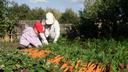
Prepare your garden for autumn: 9 activities for the cooler season
Translated from Croatian and summarized by DistantNews. Read the original for the full story.
At a glance
In-depth
Sources not specified
Context piece
- Continue harvesting and preserving summer crops like vegetables, which can be canned or frozen for winter enjoyment.
- Save seeds from your best-performing plants, particularly open-pollinated varieties, to ensure successful growth next season.
- Prepare for autumn planting by sowing seeds indoors for crops like Brussels sprouts, beetroot, and spinach, which thrive in cooler temperatures.
As the air hints at autumn's arrival, it's time to transition your garden from summer's abundance to preparing for the cooler months ahead. This period offers a crucial window for harvesting remaining crops, preserving them for winter, and sowing seeds for a successful autumn and the following spring.
Continue diligently harvesting and preserving all ripe produce. Vegetables can be canned, frozen, or stored to ensure you can enjoy homegrown flavors throughout winter. Saving seeds from your most successful and flavorful plants, especially open-pollinated varieties, is also vital. This practice helps maintain desirable traits and ensures a strong start for next year's garden, though cross-pollination can affect uniformity in some species.
Allowing some bean pods to dry on the plant will yield seeds for next year's sowing. Similarly, drying herbs like basil, mint, and oregano preserves their intense flavors for winter use; they can be dried in an oven on low heat, a dehydrator, or through air-drying, provided good air circulation prevents mold.
It's also essential to remove diseased plant parts promptly and avoid composting them to prevent spreading pathogens. If a plant has finished its productive cycle, consider removing it entirely and rotating crops by planting a different family of vegetables in its place next season. Utilize the shade from taller, late-season plants like tomatoes to protect young autumn crops until they establish.
Enriching the soil with compost provides essential nutrients, supporting plant health and productivity. For autumn planting, consider starting seeds indoors for crops such as Brussels sprouts, beetroot, and spinach, which are well-suited to cooler conditions. These seedlings can then be transplanted into the garden as the weather cools.
About this summary
Originally published by Večernji List in Croatian. Translated, summarized, and contextualized automatically by DistantNews, with a note on how the source frames the story. Not individually reviewed before publishing. How this works.
More Stories



From Our Blog

What Gets Lost (and Found) When News Is Translated

The Critical Role of Diaspora Media in Global News

What Travellers Should Know About Countries with Restricted Press

A Digital Nomad's Guide to Following Local News

How the Same Story Looks Different in Different Countries
