


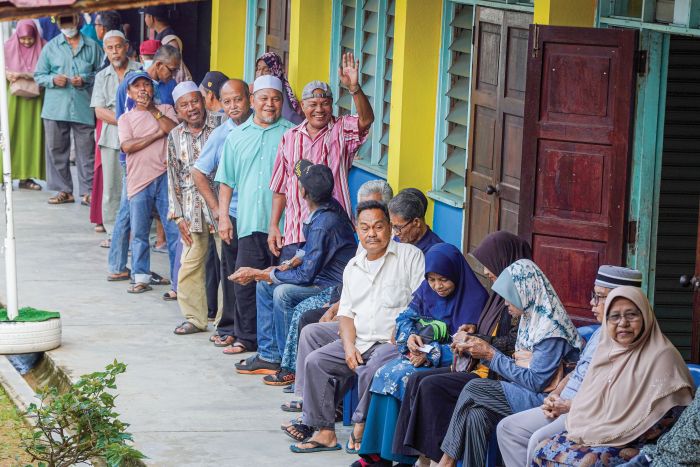
Preparing for an aging nation
Translated from Malay, summarized and contextualized by DistantNews.
At a glance
Analysis
Sources not specified
Context piece
- Malaysia is projected to become an aging nation by 2030, with at least 15% of the population aged 60 and above.
- This demographic shift will impact healthcare, social protection, the economy, and urban planning, necessitating proactive preparation.
- The country should focus on a community-based care system and adapt international best practices, like Japan's 'Kyosei' philosophy and 'Compact City' concept, to ensure a sustainable and inclusive aging society.
Malaysia is on the cusp of a significant demographic transformation, with projections indicating it will become an aging nation by 2030. By then, at least 15 percent of the population is expected to be aged 60 and above. This demographic shift extends beyond a mere increase in the elderly population; it carries profound implications for the nation's healthcare systems, social protection frameworks, economic structures, housing policies, and urban planning strategies.
To manage this transition sustainably and inclusively, the country must prepare proactively. The core challenge lies in ensuring that increased longevity is accompanied by a high quality of life, characterized by health, activity, dignity, and continued societal contribution. Malaysia has an opportunity to emerge as a model developing nation that successfully navigates the complexities of aging, tailored to its local context. A cornerstone of this effort is the National Elderly Policy, intended to guide efforts in enhancing the well-being, protection, and participation of older citizens in national development.
However, this policy must transcend mere administrative documentation. It requires concrete action, fostered through collaboration among the government, local authorities, educational institutions, the private sector, and communities. Malaysia needs to transition from an institutional-heavy care approach to a community-based care system. This aligns with Malaysian cultural values that emphasize family ties, neighborliness, and mutual cooperation ('gotong-royong'). Older adults should be viewed not just as recipients of aid but as individuals possessing valuable experience, expertise, and insights that can continue to benefit society.
Drawing lessons from Japan's experience in developing an age-friendly society offers valuable insights. The 'Kyosei' philosophy, promoting harmonious coexistence, demonstrates how older adults can remain active participants in their communities. Similarly, the 'Compact City' concept, focusing on urban development with accessible basic amenities, reduces reliance on vehicles and enhances residents' quality of life. Malaysia can adapt these approaches to suit local needs, prioritizing public transport, safe pedestrian pathways, accessible healthcare, inclusive recreational spaces, and universally designed housing. Well-planned cities should enable older adults to remain mobile, socially connected, and independent, benefiting all residents.
DistantNews Editorial
Originally published by Utusan Malaysia in Malay. Translated, summarized, and contextualized by our editorial team with added local perspective. Read our editorial standards.
More Stories


From Our Blog

What Gets Lost (and Found) When News Is Translated

The Critical Role of Diaspora Media in Global News

What Travellers Should Know About Countries with Restricted Press

A Digital Nomad's Guide to Following Local News

How the Same Story Looks Different in Different Countries
