


Presidency slams Atiku over 'fiscal recklessness' debt claims
Translated from English, summarized and contextualized by DistantNews.
At a glance
News
Named sources
Context piece
- Nigeria's Presidency has criticized former Vice President Atiku Abubakar's claims of "fiscal recklessness" by the current administration.
- The Presidency argues Abubakar's criticisms are based on outdated 2024 data and ignore recent economic reforms under President Tinubu.
- Officials state Nigeria's economy is rebounding, citing improved revenue, lower debt pressure, and new investments.
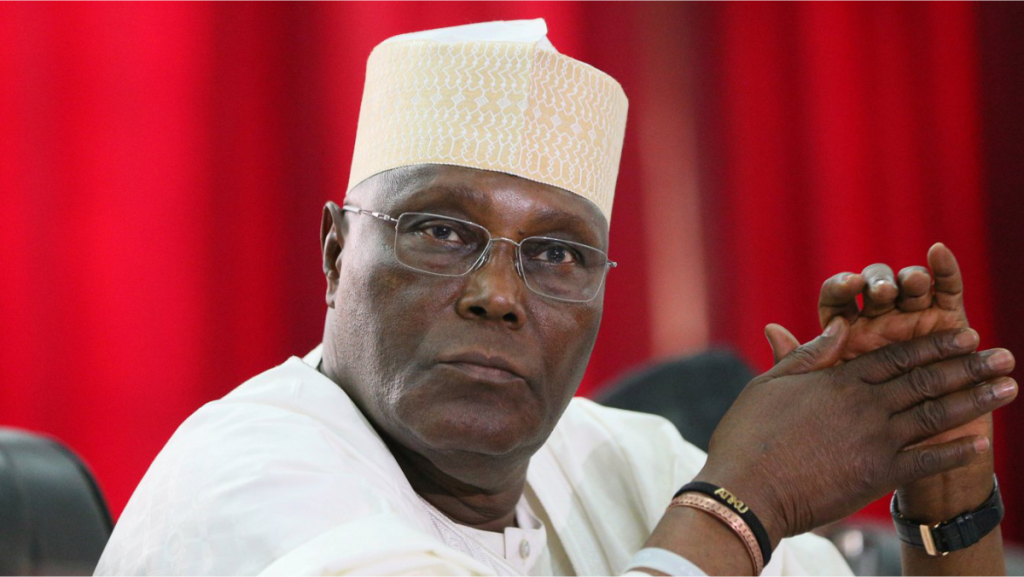
Nigeria's Presidency has strongly refuted accusations of "fiscal recklessness" leveled by former Vice President Atiku Abubakar, asserting that his criticisms are based on outdated 2024 data and fail to acknowledge the current administration's economic reforms. The Presidency stated that Abubakar is "wallowing in frozen snapshots of history" and not reflecting the evolving economic realities under President Bola Ahmed Tinubu.
Politics thrives on disagreement. Democracy demands it. But disagreements must be rooted in facts, not frozen snapshots of history. When yesterday’s data are presented as today’s reality, the public deserves context.
In a statement titled "Facts, Not Fear: A Point-by-Point Response to Atiku Abubakar on Nigeria’s Reform Journey," Special Adviser to the President on Information and Strategy, Bayo Onanuga, detailed the administration's progress. The Presidency argued that Nigeria's economic reforms are yielding positive results, including improved revenue mobilization, reduced debt-service pressure, increased allocations to states and local governments, and new investments in critical sectors like health, education, and infrastructure.
The Presidency highlighted that Nigeria's dollar-denominated Gross Domestic Product (GDP) has increased from approximately $253 billion post-exchange-rate reset to about $377 billion. Similarly, the naira GDP has grown from about ₦314 trillion in 2024 to approximately ₦530 trillion. These figures, the Presidency contends, demonstrate that the economy has moved beyond its initial post-adjustment challenges, making arguments based solely on 2024 data irrelevant for the current economic landscape in 2026.
Former Vice President Atiku Abubakar, in his typical pastime, has accused the administration of President Bola Ahmed Tinubu of fiscal recklessness, citing excess borrowing in the 2024 budget, questioning the removal of fuel subsidy, criticising tax reforms, concocting an oil windfall of N7.98 trillion, and suggesting that Nigeria is drifting economically.
The administration drew an analogy, comparing the judgment of a reform program solely by its initial difficult phase to judging chemotherapy by its side effects while ignoring the remission it aims to achieve. The Presidency emphasized that Nigeria's economy has undergone significant evolution since the painful adjustments of 2024, suggesting that Abubakar's economic critique is anchored in the past and does not represent the present situation.
His concerns, though misplaced, deserve a response, not because criticisms should be silenced – but because Nigerians should have a fuller picture of where the country is today. Here are the real issues Atiku and his courtiers should apprise themselves of:
DistantNews Editorial
Originally published by Vanguard in English. Translated, summarized, and contextualized by our editorial team with added local perspective. Read our editorial standards.
More Stories


From Our Blog

How the Same Story Looks Different in Different Countries

What Gets Lost (and Found) When News Is Translated

The Critical Role of Diaspora Media in Global News

What Travellers Should Know About Countries with Restricted Press

A Digital Nomad's Guide to Following Local News
