


President Lee's Approval Rating Sinks into Negative Territory Amidst Growing Public Concerns
Translated from Korean and summarized by DistantNews. Read the original for the full story.
At a glance
News
Documents & data
Context piece
- South Korean President Lee Jae-myung's job approval rating has fallen into negative territory, with 44% positive and 46% negative assessments, a significant drop in three weeks.
- The decline is particularly pronounced among younger voters (20s and 30s) and in Seoul, raising concerns about the president's ability to manage the economy and social issues.
- Analysts suggest the downturn stems from a combination of factors including real estate policy failures, economic anxieties, and broader societal issues like wealth inequality and job scarcity, disproportionately affecting younger generations.
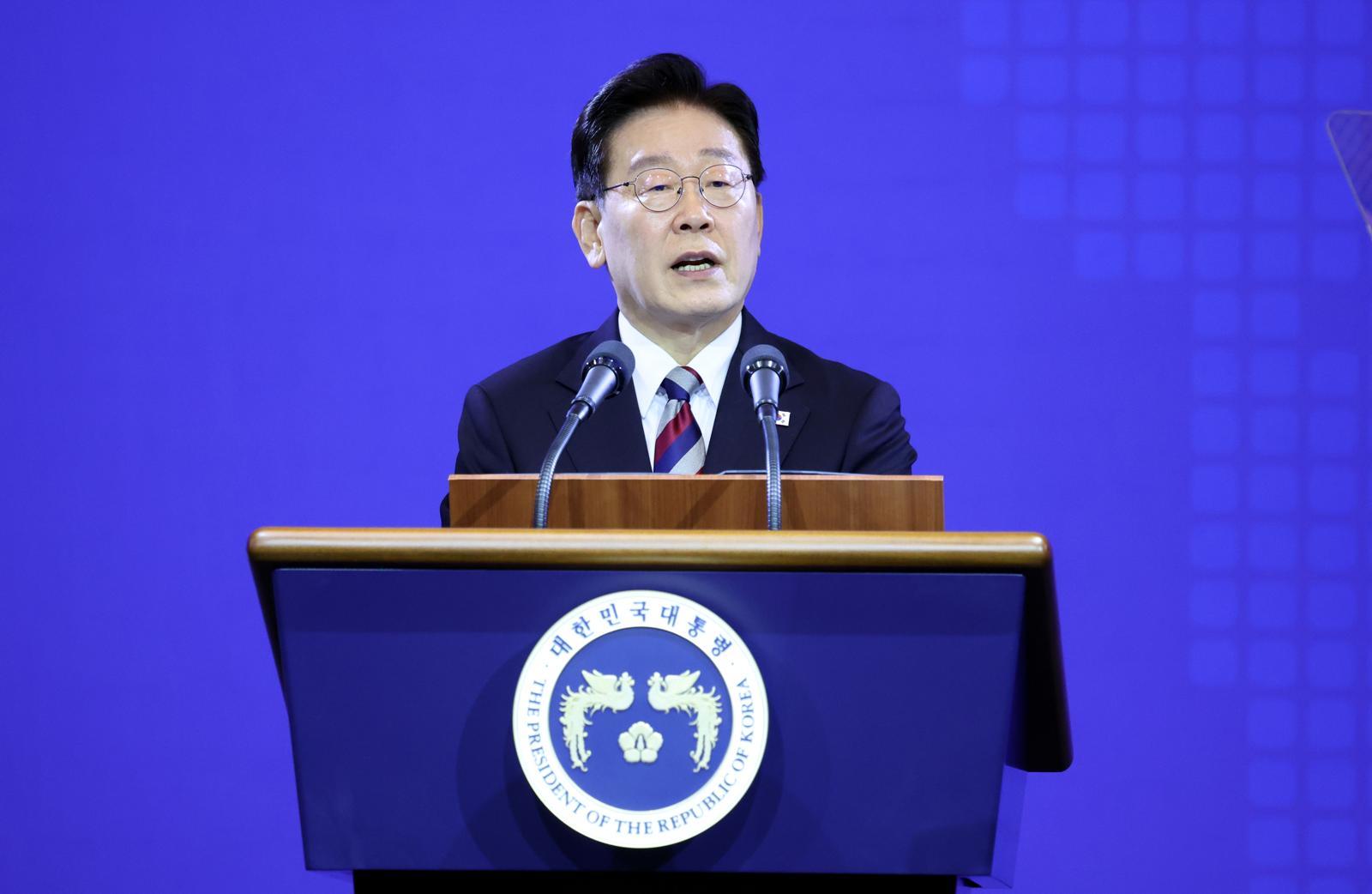
South Korean President Lee Jae-myung's administration faces a significant challenge as his job approval rating has dipped into negative territory, with 44% approving and 46% disapproving, according to a recent Korea Gallup poll. This marks a sharp decline from three weeks prior, when approval stood at 51% positive and 38% negative.
The erosion of public support is particularly evident among younger voters and in the capital city of Seoul. In the latest survey, Seoul registered 42% approval and 47% disapproval, while the 20s demographic showed 30% approval and 48% disapproval, and the 30s demographic reported 37% approval and 49% disapproval. These figures are worse than the national average, indicating a growing disconnect with key demographics.
While the exact causes are debated, potential factors include dissatisfaction with real estate policies, the impact of a falling stock market, and concerns among young women following the removal of prosecutorial supplementary investigation powers. However, some analysts argue these are symptoms of deeper, systemic issues such as widening wealth and income inequality, the decline of regional areas, and a shortage of quality jobs, which are hitting the 20s and 30s generations the hardest.
President Lee appears aware of the growing concerns. He recently chaired meetings to address real estate and stock market issues, acknowledging that "youth are now becoming almost a vulnerable class." He has since directed a "full-scale expansion" of housing supply and swift implementation of related measures. The administration's ability to reverse this negative trend will be crucial for its future political standing.
About this summary
Originally published by Hankyoreh in Korean. Translated, summarized, and contextualized automatically by DistantNews, with a note on how the source frames the story. Not individually reviewed before publishing. How this works.
More Stories

From Our Blog

What Gets Lost (and Found) When News Is Translated

The Critical Role of Diaspora Media in Global News

What Travellers Should Know About Countries with Restricted Press

A Digital Nomad's Guide to Following Local News

How the Same Story Looks Different in Different Countries
