

President's health focus insufficient, Peruvian doctors say
Translated from Spanish, summarized and contextualized by DistantNews.
At a glance
News
Named sources
Context piece
- The Peruvian College of Physicians (CMP) criticized President Keiko Fujimori's first address to the nation, stating it neglected a comprehensive health system reform.
- While Fujimori outlined goals for reducing anemia, child malnutrition, and adolescent pregnancy, the CMP argues the speech lacked concrete plans for achieving them.
- The CMP highlighted the urgent need to address paralyzed hospital projects and a shortage of specialists, noting that infrastructure alone is insufficient without a robust human resources policy.
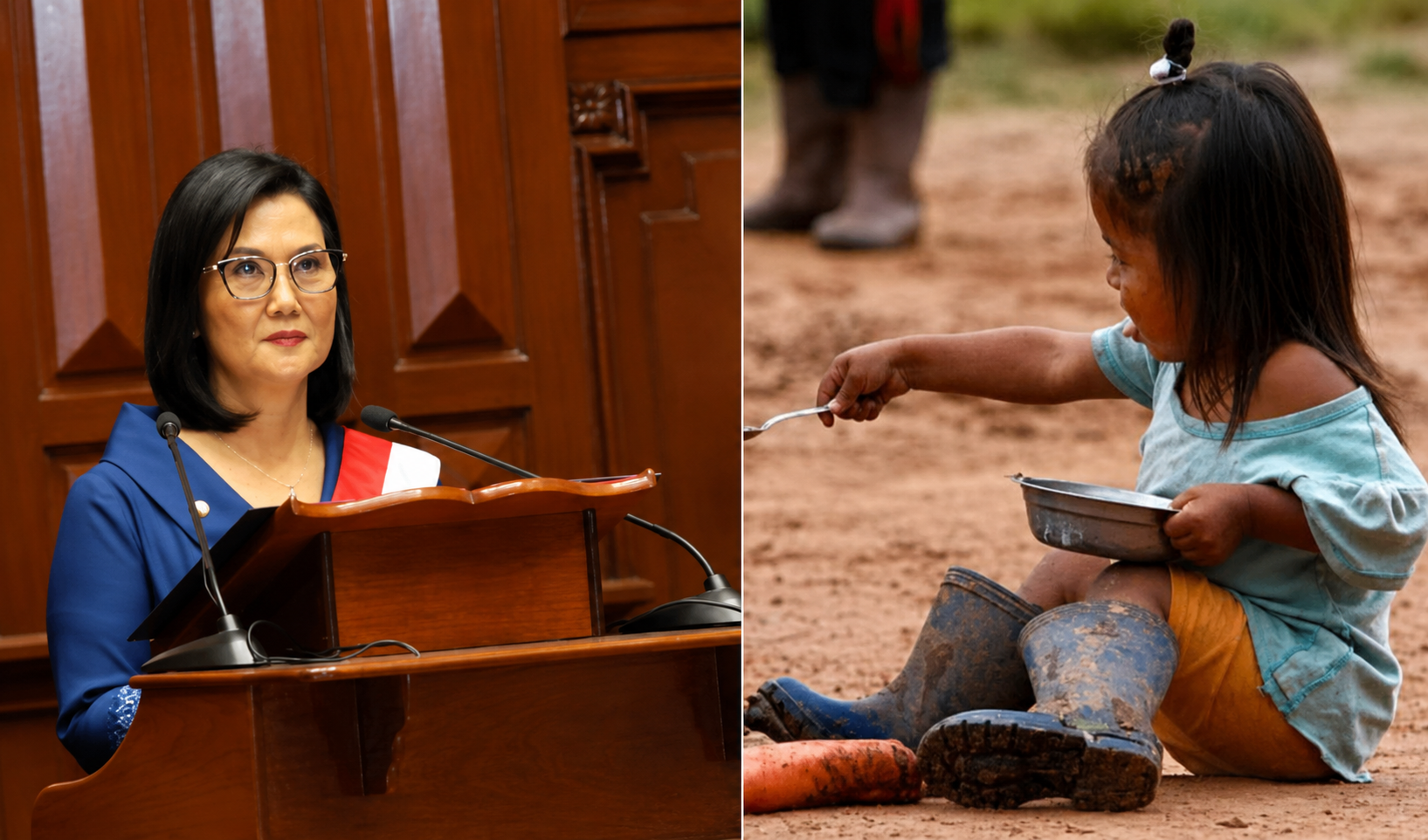
The Peruvian College of Physicians (CMP) has expressed concern that President Keiko Fujimori's inaugural address to the nation, while touching on key health issues, failed to present a comprehensive strategy for reforming Peru's healthcare system. The CMP acknowledged Fujimori's stated goals of reducing anemia, child malnutrition, and adolescent pregnancy but argued that the speech lacked specific plans for how these challenges would be tackled.
We welcome that the president has placed meritocracy, technical capacity, results-based management, and closing gaps as the focus of her administration. However, we are concerned that the message did not develop a comprehensive proposal to transform the health system.
Pedro Riega, the national dean of the CMP, stated that the address identified problems but did not detail solutions. He recalled that the medical guild had previously submitted a technical plan to the president and her team for strengthening the health system between 2026 and 2031. "We welcome that the president has placed meritocracy, technical capacity, results-based management, and closing gaps as the focus of her administration. However, we are concerned that the message did not develop a comprehensive proposal to transform the health system," Riega affirmed.
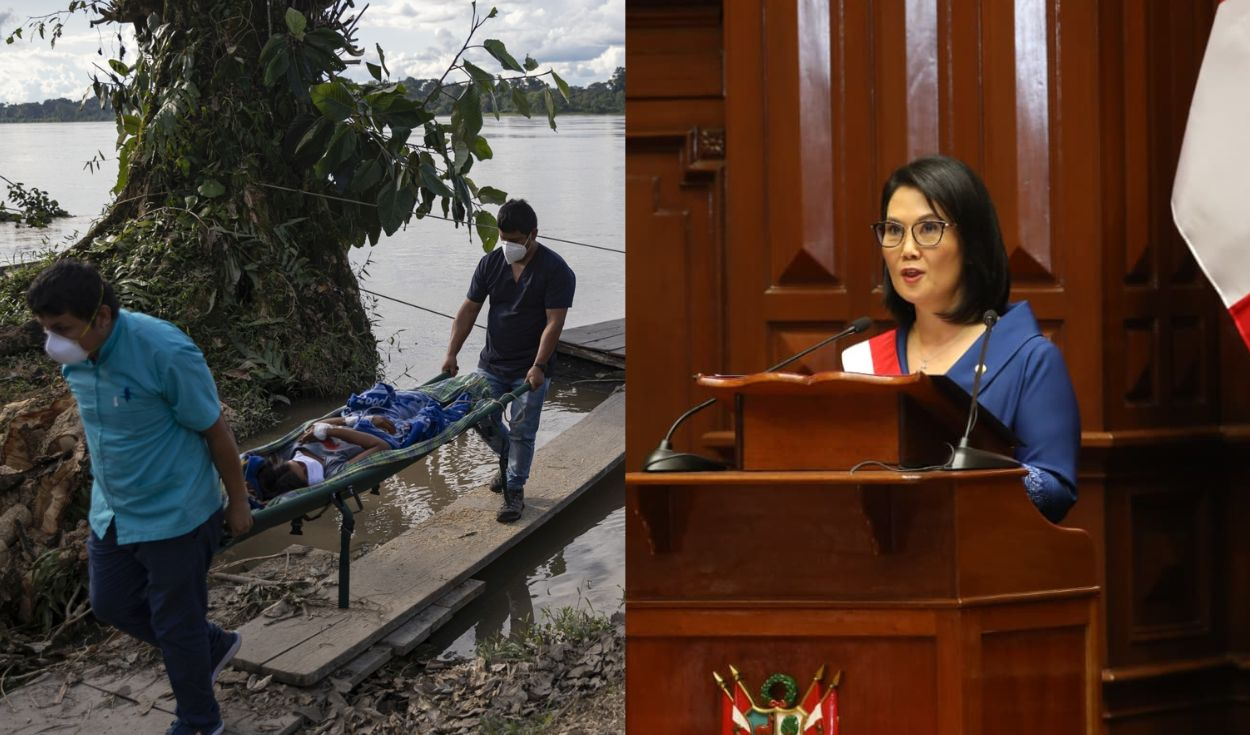
The CMP also pointed to the critical issue of stalled hospital projects and a severe lack of specialists. Fujimori announced plans to expand health infrastructure, which Riega deemed necessary but insufficient. He noted that over 80 major hospital construction projects are currently paralyzed, many due to the technical incapacity of regional governments to complete them. "It is good news that an intervention from the central government has been proposed to resolve these problems, but that is not enough," he indicated.
It is good news that an intervention from the central government has been proposed to resolve these problems, but that is not enough.
Beyond completing unfinished hospitals, Riega stressed the need for a human resources policy to ensure specialists are available in regions with the greatest healthcare disparities. He explained that restrictive policies on creating health professional positions over the past two decades have led many qualified doctors to seek opportunities abroad. While acknowledging the president's priorities, the CMP emphasized that these goals require technically detailed and concrete strategies, which were not elaborated upon in the address.
You need much more than building infrastructure. A human resources policy is required so that these hospitals can function fully.
DistantNews Editorial
Originally published by La República in Spanish. Translated, summarized, and contextualized by our editorial team with added local perspective. Read our editorial standards.
More Stories

From Our Blog

What Gets Lost (and Found) When News Is Translated

The Critical Role of Diaspora Media in Global News

What Travellers Should Know About Countries with Restricted Press

A Digital Nomad's Guide to Following Local News

How the Same Story Looks Different in Different Countries
