

Presidential cabinet changes in Dominican Republic: A tradition on August 16
Translated from Spanish, summarized and contextualized by DistantNews.
At a glance
In-depth
Sources not specified
Context piece
- August 16th is a significant date in the Dominican Republic, marking institutional, political, and social events.
- The date includes the installation of congressional leadership and the presidential/vice presidential oath of office when a new term begins.
- While not constitutionally mandated, presidential cabinet changes have become a tradition on or around this date.
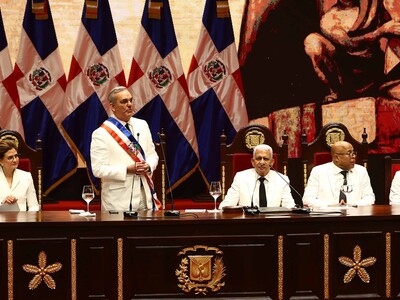
August 16th holds particular significance in the Dominican Republic, serving as a focal point for institutional, political, and social life each year. Beyond the installation of leadership within the National Congress, the date marks the presidential and vice presidential oath of office when a new constitutional term commences.
This date also hosts a political practice, not explicitly outlined in the Constitution, that has evolved into a firm tradition: changes within the presidential cabinet. In the weeks following, the nation prepares for the academic year's start, while the calendar also commemorates the Restoration War and the devastating Hurricane David.
The Constitution designates August 16th as a key date for democratic institutionalism. Article 90 mandates that the Senate and Chamber of Deputies elect their respective leadership boards annually, comprising a president, vice president, and two secretaries. These leadership positions are subject to annual votes, regardless of whether incumbents are eligible for reelection.
When August 16th coincides with the beginning of a new constitutional term, its importance is amplified. Article 126 of the Constitution stipulates that the elected president and vice president must take their oath on this date, officially concluding the tenure of outgoing authorities.
Although the Constitution does not compel the president to reshuffle the government on August 16th, the date has become the preferred time for leaders to announce replacements, new appointments, and administrative restructurings. This custom has been observed across various administrations, solidifying its association with the start of new administrative or legislative phases. Nevertheless, the head of state retains the constitutional authority to appoint, remove, or substitute ministers and other executive officials at any point during their mandate via decree, independent of the August 16th calendar.
DistantNews Editorial
Originally published by Diario Libre in Spanish. Translated, summarized, and contextualized by our editorial team with added local perspective. Read our editorial standards.
More Stories
From Our Blog

What Gets Lost (and Found) When News Is Translated

The Critical Role of Diaspora Media in Global News

What Travellers Should Know About Countries with Restricted Press

A Digital Nomad's Guide to Following Local News

How the Same Story Looks Different in Different Countries
