


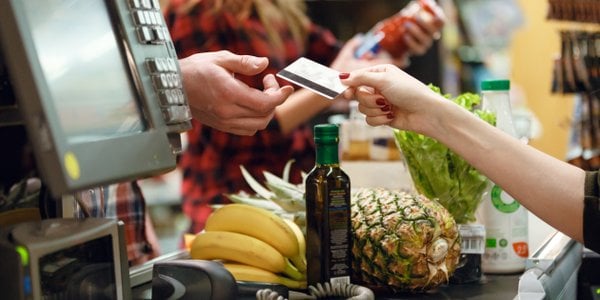
Price drives Polish shoppers, but loyalty is fading
Translated from Polish and summarized by DistantNews. Read the original for the full story.
At a glance
News
Sources not specified
Context piece
- Polish consumers are increasingly price-sensitive, with only 19% showing loyalty to a single retail chain.
- While price remains a key factor, non-food items like tools and textiles are gaining importance in driving store visits.
- Specific chains like Lidl, Biedronka, and Auchan are becoming destinations for particular non-food categories.
The Polish retail market is characterized by intense competition, with price emerging as the dominant factor influencing consumer choices. A recent analysis reveals that a mere 19% of shoppers exhibit genuine loyalty to a single retail format, while another 4% show no particular allegiance, frequently switching between various store types.
This trend means that even though 77% of customers have a preferred shopping format, they are not exclusively committed to it. Many consumers readily utilize discounters but do not adhere to a single purchasing model. Instead, they navigate between discounters, supermarkets, convenience stores, and hypermarkets based on their immediate needs and circumstances, according to Bartosz Domaradzki, managing director of in-Store Media Poland.
Grocery stores play a pivotal role in the Polish economy, serving as a consistent touchpoint for brands to reach consumers. This regular interaction makes them a crucial channel for marketing and sales. However, the fierce competition necessitates continuous efforts to capture customer attention, as shoppers are highly sensitive to pricing.
This group readily uses discounters, but does not function in a single purchasing model. They move between discounters, supermarkets, convenience stores or hypermarkets – depending on needs and context.
Beyond essential food items, non-food products are increasingly influencing shopping decisions. Analysis indicates that industrial goods account for a significant portion of visits to discounters and hypermarkets. For some consumers, these items are the primary reason for visiting a store, while for others, they are an important secondary motivation.
This shift is also leading to specialized shopping habits. Lidl is frequently chosen for tools and clothing, Biedronka for home textiles, and Auchan for school and office supplies. While the offer of non-food items has a lesser impact on customer loyalty compared to core FMCG products, it is becoming a more significant factor in attracting shoppers in a mature and competitive market.
Grocery stores are unique because they provide brands with systematic, repeatable contact with the consumer. We are not talking about one-off reach, but continuous access, fitting into the natural shopping rhythm. This makes the grocery store one of the most important marketing communication channels – especially in the context of building sales.
About this summary
Originally published by Rzeczpospolita in Polish. Translated, summarized, and contextualized automatically by DistantNews, with a note on how the source frames the story. Not individually reviewed before publishing. How this works.
More Stories


From Our Blog

What Gets Lost (and Found) When News Is Translated

The Critical Role of Diaspora Media in Global News

What Travellers Should Know About Countries with Restricted Press

A Digital Nomad's Guide to Following Local News

How the Same Story Looks Different in Different Countries
