


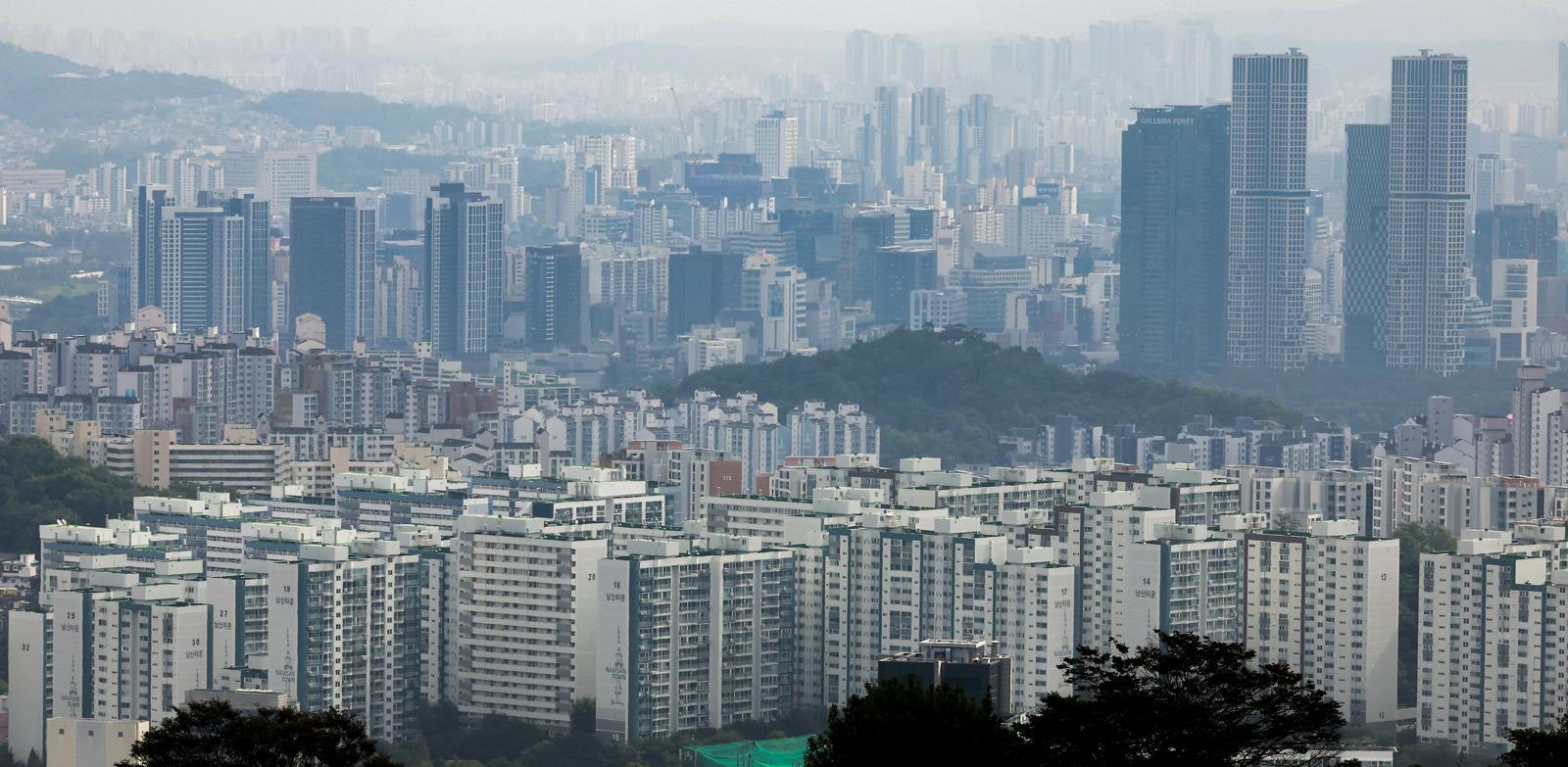
Property Gifts to Seoul's 20-Somethings Surge Amid Loan and Tax Pressures
Translated from Korean, summarized and contextualized by DistantNews.
TLDR
- The number of recipients of property gifts among those in their 20s in Seoul has surged by 66% in the past six months.
- This increase is attributed to stricter loan regulations and rising tax burdens, accelerating asset transfers.
- The trend indicates a shift towards gifting property to younger generations to navigate financial challenges.
Recent data reveals a striking trend in Seoul's property market: a significant surge in property gifts to individuals in their twenties. This phenomenon, detailed by Dong-A Ilbo, is not merely a statistical anomaly but a clear indicator of the intense financial pressures facing younger generations in South Korea's capital. With loan restrictions tightening and tax burdens increasing, families are increasingly turning to property transfers as a means to support their children's financial stability and homeownership aspirations.
The numbers are stark: recipients under 39 saw a 45% increase in property gifts over six months, with those in their twenties leading the charge at a 65.9% rise. This far outpaces the overall 31.8% increase across all age groups. The government's '10.15 Measures,' which capped loans for properties based on their value, has made it exceedingly difficult for young people to secure mortgages independently. Consequently, parental assistance through gifting has become a crucial, almost necessary, pathway to acquiring property in Seoul.
Furthermore, the looming prospect of tax reforms, including increased capital gains tax for multiple homeowners and potential hikes in property taxes, is accelerating these asset transfers. Families are seeking to gift properties before tax burdens become even more onerous. From a South Korean perspective, this situation highlights the deep-seated challenges of intergenerational wealth transfer and the escalating cost of living, particularly housing, in major urban centers. It underscores the government's struggle to balance market regulation with the aspirations of its younger citizens, forcing families to find creative, albeit costly, solutions.
DistantNews Editorial
Originally published by Dong-A Ilbo in Korean. Translated, summarized, and contextualized by our editorial team with added local perspective. Read our editorial standards.
More Stories


From Our Blog

What Gets Lost (and Found) When News Is Translated

The Critical Role of Diaspora Media in Global News

What Travellers Should Know About Countries with Restricted Press

A Digital Nomad's Guide to Following Local News

How the Same Story Looks Different in Different Countries
