


Prosecutorial Sabotage Feared as South Korea Overhauls Investigation Laws
Translated from Korean, summarized and contextualized by DistantNews.
At a glance
Analysis
Named sources
Outcome reported
- South Korea's National Assembly passed a revised criminal procedure law, abolishing prosecutors' direct investigation rights.
- The reform aims to establish a new criminal justice system where police and the Serious Crime Investigation Agency (SCIA) investigate, and prosecutors oversee.
- Concerns remain about potential prosecutorial "sabotage" and the need for presidential and ministerial intervention to maintain order.
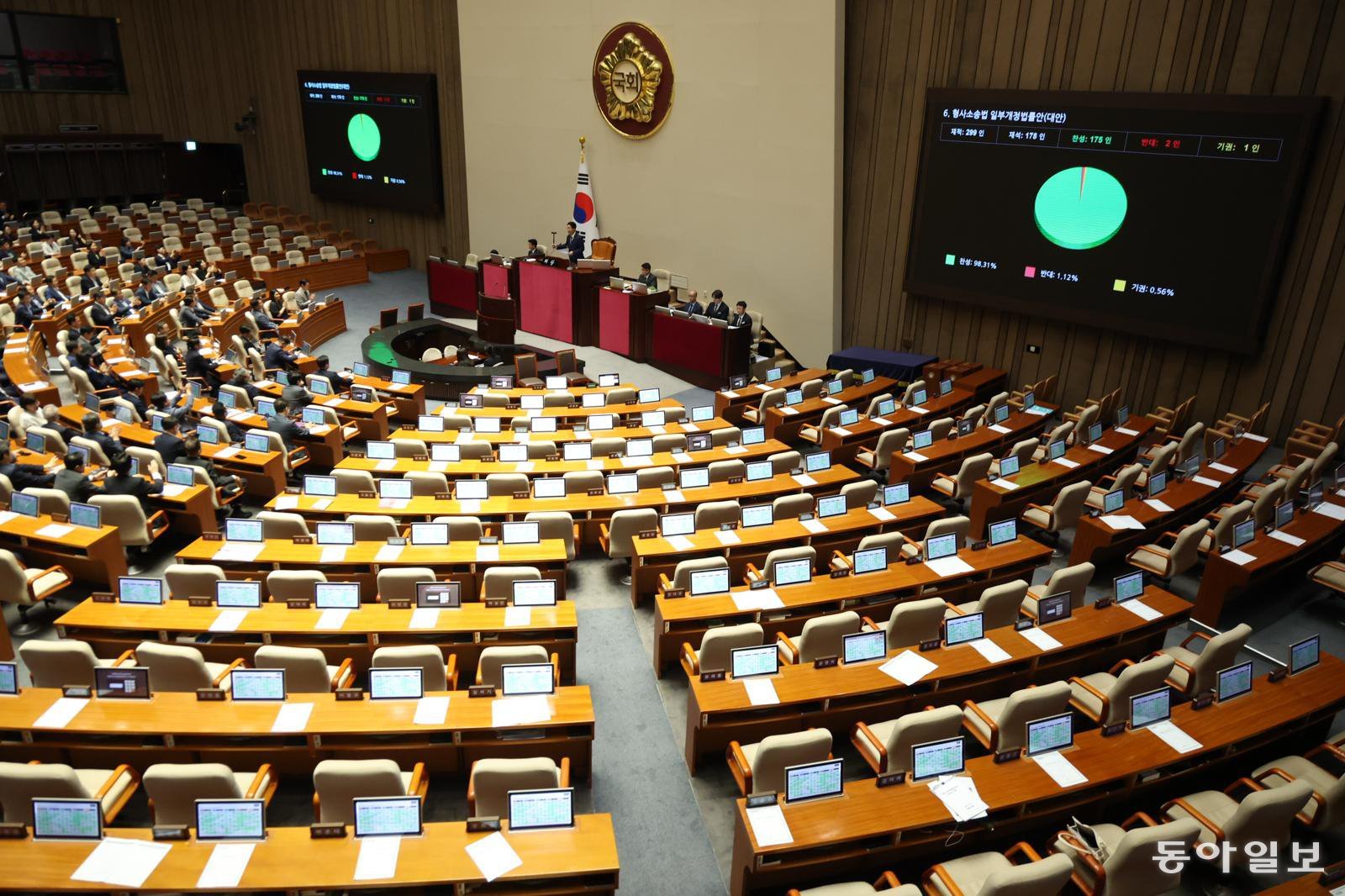
South Korea's National Assembly has passed a landmark revision to the Criminal Procedure Act, effectively ending prosecutors' direct investigative powers. The new law, which passed the plenary session on July 31 despite a filibuster by the People Power Party, replaces the prosecutors' direct investigation authority with a "supplementary investigation request" system. This reform is seen as the culmination of institutional prosecutorial reforms initiated by the Moon Jae-in administration, aiming to dismantle the historical concentration of power within the prosecution service. The envisioned system shifts investigative duties to the police and the soon-to-be-established Serious Crime Investigation Agency (SCIA), with prosecutors taking on an oversight role. This move seeks to create a more balanced criminal justice framework, preventing the unchecked power that critics argue led to a "prosecutor republic" era. The debate over the scope of supplementary investigation rights was particularly contentious, with proponents arguing that maintaining any direct investigative power for prosecutors would undermine the core goal of separating investigation and prosecution. Critics contend that even "supplementary" investigations could be exploited, allowing prosecutors to broaden inquiries into related cases and potentially abuse their power, as seen in past high-profile investigations. The article highlights concerns that prosecutors might engage in "sabotage" against the reforms, urging President Yoon Suk-yeol and Justice Minister Song Sang-heon to enforce discipline within the service. The extensive use of search and seizure warrants under the previous system, far exceeding those during the Park Geun-hye administration, is cited as evidence of potential overreach. The article emphasizes that the new system aims to prevent such abuses by decentralizing investigative authority and establishing checks and balances.
Prosecutorial reform was triggered because the prosecutor republic nearly drove our country to the brink of crisis, so we should no longer entrust investigative powers to prosecutors.
DistantNews Editorial
Originally published by Hankyoreh in Korean. Translated, summarized, and contextualized by our editorial team with added local perspective. Read our editorial standards.
More Stories

From Our Blog

What Gets Lost (and Found) When News Is Translated

The Critical Role of Diaspora Media in Global News

What Travellers Should Know About Countries with Restricted Press

A Digital Nomad's Guide to Following Local News

How the Same Story Looks Different in Different Countries
