

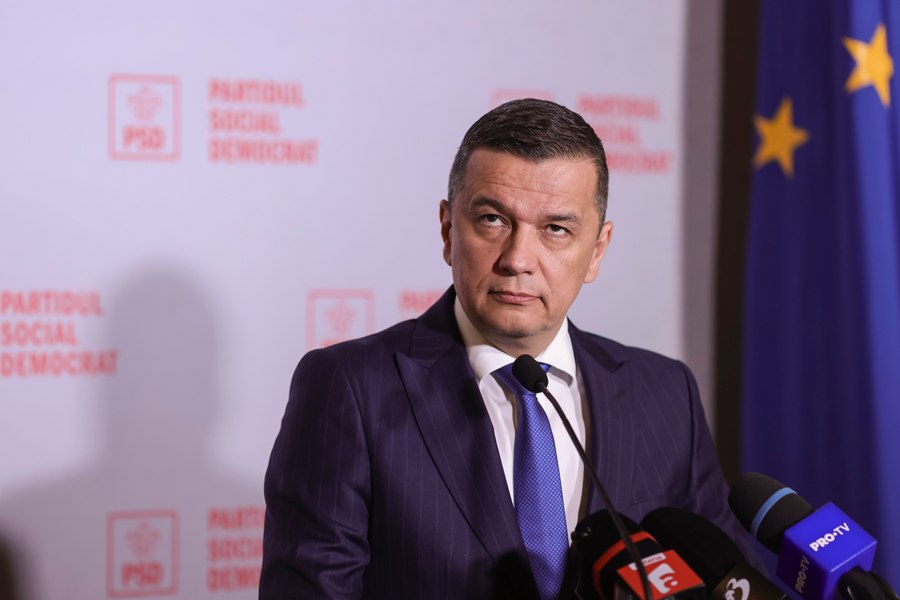

PSD also opposes technocratic government; Social Democrats await Nicușor Dan's decision, sources say
Translated from Romanian and summarized by DistantNews. Read the original for the full story.
At a glance
News
Named sources
Ongoing story
- The Social Democratic Party (PSD) in Romania does not support the idea of a technocratic government, according to sources.
- The party awaits a decision from President Nicușor Dan regarding the formation of a new executive.
- Political sources indicate that the USR party also faces internal divisions regarding a potential coalition with the National Liberal Party (PNL).
The prospect of a technocratic government in Romania appears to be losing political traction, with sources within the Social Democratic Party (PSD) indicating their opposition to such a scenario. The PSD, along with the National Liberal Party (PNL), does not favor a prime minister from outside the political ranks, leaving the decision in the hands of President Nicușor Dan.
Discussions about forming a new government are ongoing, with uncertainty surrounding further consultations at the Cotroceni Palace. Political sources suggest that the Save Romania Union (USR) is also experiencing internal debates, with some members hesitant about governing alongside the PNL. The PSD believes the deadlock isn't solely confined to the PNL or USR but stems from difficulties in translating preliminary agreements into concrete governing measures.
It is difficult for a technocratic prime minister to perform.
An example cited by these sources involves the salary law, where initial understandings quickly dissolve into tensions among negotiating parties. The interim government's mandate expires on June 7, adding urgency to the situation, as several interim ministers are concluding their legal terms. Interim Prime Minister Ilie Bolojan expressed skepticism about the effectiveness of a technocratic leader, stating, "It is difficult for a technocratic prime minister to perform."
President Nicușor Dan has been engaged in consultations with various political groups, including parliamentary party leaders, national minority representatives, and independent lawmakers. He has stated his intention to continue these talks until a stable governmental formula is identified, emphasizing the need for a "solid, pro-Western majority." Despite Eugen Tomac being considered a potential candidate, current parliamentary support remains insufficient for his nomination.
I will continue the series of consultations with the parties until a solid, pro-Western majority variant crystallizes.
About this summary
Originally published by Adevărul in Romanian. Translated, summarized, and contextualized automatically by DistantNews, with a note on how the source frames the story. Not individually reviewed before publishing. How this works.
More Stories
From Our Blog

News in Translation: What Gets Lost, and How We Keep the Framing

Diaspora Media: How Communities Abroad Follow Home

Traveling Where the Press Is Not Free: How to Read the News There

The Digital Nomad's Guide to Local News

The Same Story, Different Countries: How Coverage Changes at the Border
