

Psychiatrist Links Youth Knife Attacks to "Masculine Counter-Movement" and "Martial Male Structures"
Translated from German, summarized and contextualized by DistantNews.
At a glance
News
Sources not specified
Context piece
- A psychiatrist links increased knife attacks among youths to a "masculine counter-movement to emancipation" and "martial male structures."
- Experts note a rise in violent injuries among younger individuals, with a lower age threshold for perpetrators and victims.
- Factors cited include archaic patriarchal models, religious fundamentalism, and the exploitation of rigid masculinity by the far-right.
A psychiatrist has linked the increasing number of knife attacks among young people to a "masculine counter-movement to emancipation" and "martial male structures." This observation follows a recent incident where a 12-year-old attacked a 15-year-old in Vienna, leaving the victim critically injured.
We are seeing an increase in stab and violent injuries in recent years, and what strikes me particularly and causes concern is that the affected individuals – both perpetrators and victims – are getting younger on average.
Harald Widhalm, a trauma surgeon at Vienna General Hospital, noted a rise in stab and violent injuries among increasingly younger individuals. He stated that in the past, it was rare for children of primary school age or just entering puberty to resort to using knives, but this is becoming more common.
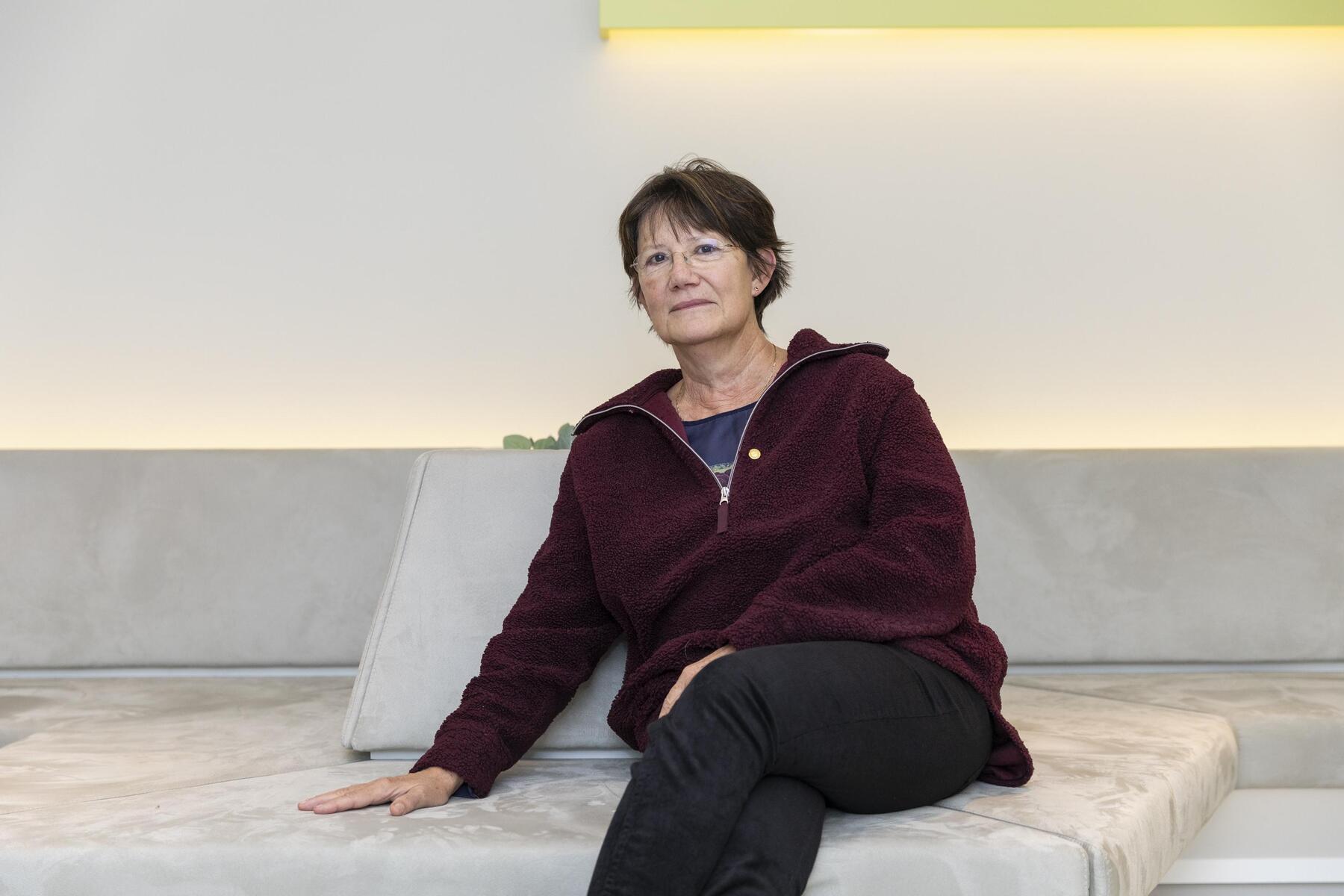
Psychiatrist Jutta Leth agrees, attributing the trend to a complex interplay of factors. She points to a masculine backlash against emancipation, drawing from archaic patriarchal cultures that have entered Europe relatively unfiltered through migration. Leth also highlights the influence of religious fundamentalists and online influencers who advocate violence as a testament to faith.
This development is the product of a multifactorial genesis of various influencing factors, to which young people and young men are extremely receptive.
Furthermore, Leth identifies "martial male structures and rituals" being revived by the far-right. These groups promote rigid and aggressive notions of masculinity as an identity anchor, mobilizing individuals by linking feelings of grievance and insecurity to simple enemy images. A reactionary, heroic, and soldierly ideal of manhood, emphasizing hardness, strength, and discipline, is promoted, while anything perceived as "woke" is deemed weak and degenerate. Structures like organized crime, with concepts of vigilantism, family honor, and vendetta, also play a role.
So there is a masculine counter-movement to emancipation and the women's movement, which draws from a wide variety of sources. Among them are images of men from archaic cultures, which have been purely patriarchally organized for centuries and have now come to Europe relatively unfiltered through immigration.
Leth also cites "male losers of the education system in modern societies," or "modernization losers," who she believes use violence and toxic masculinity to cope with their deficits. These individuals seek to establish a position they deem appropriate, one they could never achieve in real life due to their social skills or profession.
Furthermore, Leth cites 'martial male structures and rituals' that are being newly exploited by the far-right in Europe, using rigid and aggressive images of masculinity as identity anchors and mobilization tools, and linking feelings of grievance and insecurity to simple enemy images.
DistantNews Editorial
Originally published by Die Presse in German. Translated, summarized, and contextualized by our editorial team with added local perspective. Read our editorial standards.
More Stories


From Our Blog

What Gets Lost (and Found) When News Is Translated

The Critical Role of Diaspora Media in Global News

What Travellers Should Know About Countries with Restricted Press

A Digital Nomad's Guide to Following Local News

How the Same Story Looks Different in Different Countries
