



Psychology says the sense of belonging generated by the World Cup is a human need
Translated from Spanish, summarized and contextualized by DistantNews.
At a glance
Analysis
Named sources
Context piece
- The sense of belonging generated by the World Cup is a fundamental human need, according to a psychology specialist.
- The global soccer tournament reveals a need that transcends the sport itself.
- This need for belonging is a key factor in understanding the widespread appeal of the World Cup.
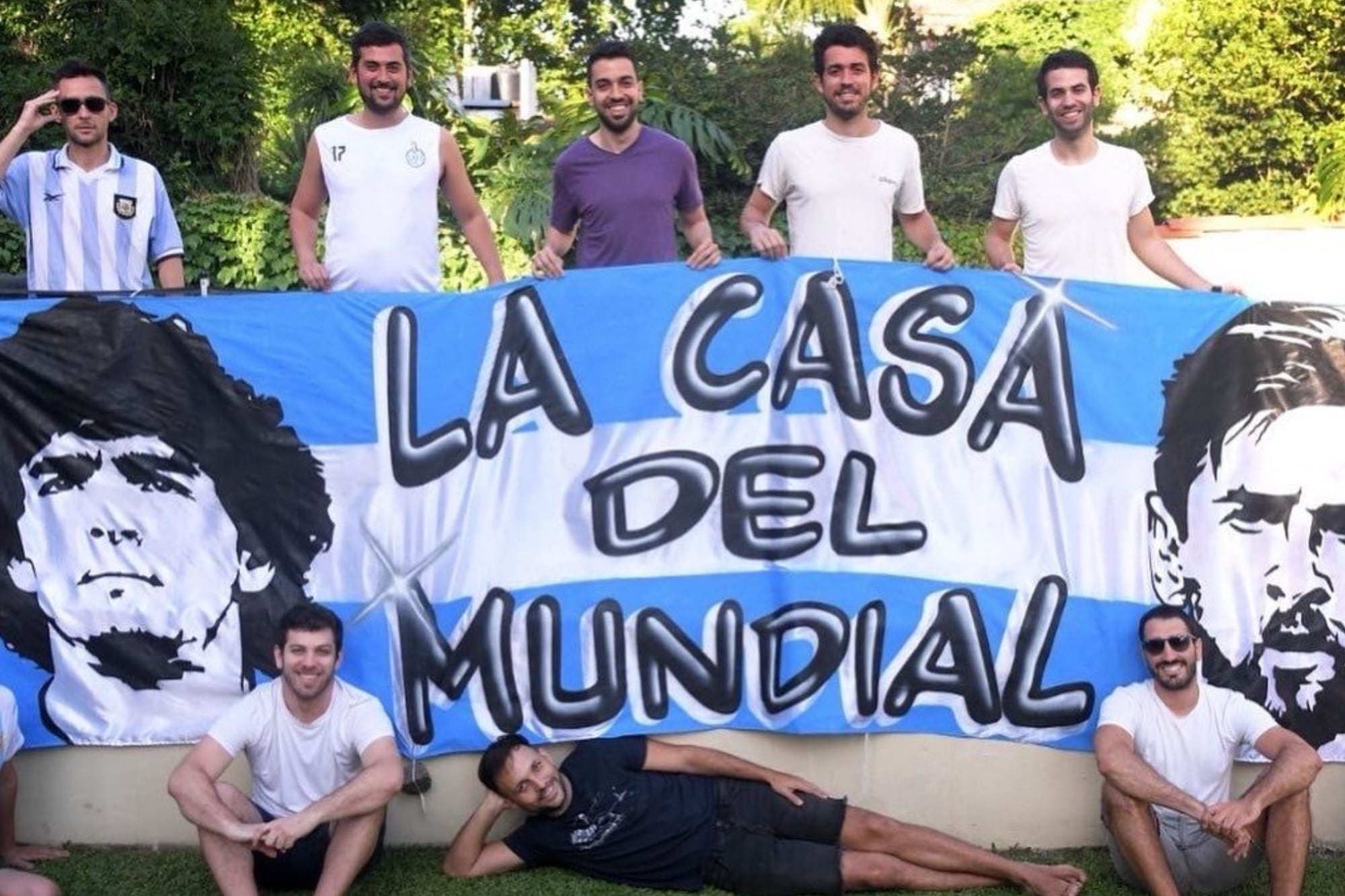
The intense sense of belonging fostered by the World Cup is not merely about sports fandom; it taps into a fundamental human need, according to Mariela Mociulsky, a specialist in trends. She explains that the global soccer tournament brings to light a deep-seated human requirement that extends far beyond the boundaries of the game itself.
Mociulsky's analysis suggests that the shared experience of supporting national teams, celebrating victories, and commiserating over losses creates powerful social bonds. This collective identity, forged through the shared passion for the World Cup, fulfills a primal human desire to connect with others and feel part of a larger group. The event acts as a catalyst, temporarily dissolving everyday differences and uniting people under a common banner.
This psychological perspective offers insight into why the World Cup commands such widespread attention and emotional investment globally. It highlights that the tournament's appeal lies not just in the athletic competition but in its capacity to provide a profound sense of community and shared purpose. The need to belong, Mociulsky argues, is a critical element in understanding the enduring and passionate engagement with the World Cup across diverse populations.
DistantNews Editorial
Originally published by La Nación in Spanish. Translated, summarized, and contextualized by our editorial team with added local perspective. Read our editorial standards.
More Stories

From Our Blog

What Gets Lost (and Found) When News Is Translated

The Critical Role of Diaspora Media in Global News

What Travellers Should Know About Countries with Restricted Press

A Digital Nomad's Guide to Following Local News

How the Same Story Looks Different in Different Countries
