

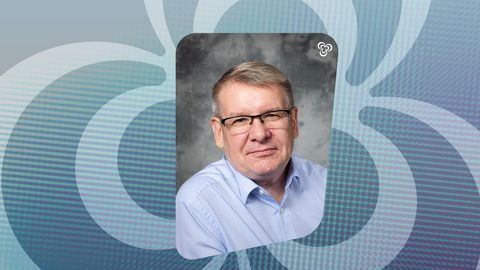
Psychotherapist argues human descriptions of nature reflect internal struggles
Translated from Estonian and summarized by DistantNews. Read the original for the full story.
At a glance
Analysis
Sources not specified
Context piece
- Psychotherapist Meelis Sütt argues that human descriptions of the world, including nature, are not objective truths but rather reflections of our internal coping mechanisms.
- Sütt suggests that we often project our own internal struggles, such as ignorance, helplessness, and anxiety, onto others and nature.
- He uses the example of describing nature through a service-consumer lens to illustrate how internal conflicts are unintentionally transferred to the natural world.
Human descriptions of the world are rarely objective, according to psychotherapist and psychoanalyst Meelis Sütt. He posits that our portrayals of reality, relationships, and phenomena are filtered through our psychological defenses, revealing how we manage internal states like ignorance, helplessness, dependence, anxiety, fear, guilt, or shame.
Sütt suggests that language does not merely mediate reality but also reflects our capacity to cope with these difficult emotions. "What is difficult to notice or tolerate within ourselves, we may unconsciously attribute to other people, society, and even nature," he writes.
Our language does not only mediate reality, but also reflects the ways in which we can cope with ignorance, helplessness, dependence, anxiety, fear, guilt, or shame.
This tendency to project internal conflicts is particularly evident in how humans describe their relationship with nature. Sütt points to the concept of "ecosystem services," as published on the Ministry of Climate's website, as an example. Describing nature through a service-consumer framework, he argues, demonstrates how internal contradictions are unintentionally or carelessly transferred to the natural world.
This perspective challenges a purely utilitarian view of nature, suggesting that our language and framing reveal deeper psychological processes at play. The way we articulate our connection to the environment, Sütt implies, is as much about our inner landscape as it is about the external world.
What is difficult to notice or tolerate within ourselves, we may unconsciously attribute to other people, society, and even nature.
About this summary
Originally published by Postimees in Estonian. Translated, summarized, and contextualized automatically by DistantNews, with a note on how the source frames the story. Not individually reviewed before publishing. How this works.
More Stories
From Our Blog

What Gets Lost (and Found) When News Is Translated

The Critical Role of Diaspora Media in Global News

What Travellers Should Know About Countries with Restricted Press

A Digital Nomad's Guide to Following Local News

How the Same Story Looks Different in Different Countries
