


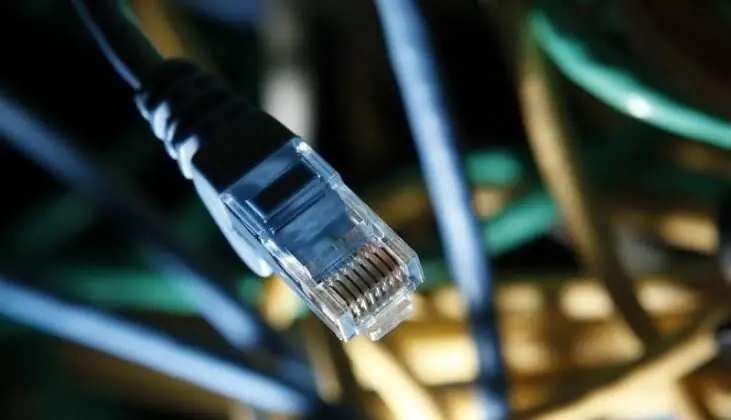
PTA monitors internet disruptions from submarine cable fault
Translated from English, summarized and contextualized by DistantNews.
At a glance
News
Official statement
Ongoing story
- Pakistan's telecom authority is monitoring internet disruptions caused by a fault in the SEA-ME-WE 5 submarine cable.
- Transworld Associates is working to identify the cause and restore service, rerouting traffic through alternate links.
- A new, higher-capacity SEA-ME-WE 6 cable recently landed in Pakistan, enhancing resilience.
The Pakistan Telecommunication Authority (PTA) is closely monitoring internet service disruptions stemming from a fault in the international SEA-ME-WE 5 submarine cable system. The issue is expected to cause intermittent degradation in service quality and connectivity across Pakistan.
Transworld Associates (TWA), the sole private-sector operator with exclusive ownership of submarine fiber-optic cable systems in the country, is coordinating with the SMW5 consortium. Their primary goals are to identify the root cause of the fault and establish an estimated time for service restoration. In the interim, internet traffic is being rerouted through alternative international links to minimize the impact and ensure continued service as much as possible.
TWA has sent SMS messages to its customers, apologizing for the inconvenience and explaining that a "technical fault" in one of its submarine cables is the cause. The message assured customers that technical teams are actively working on the issue and promised further updates. The PTA stated it remains in close coordination with all relevant stakeholders and will continue to monitor the situation closely.
This incident occurs as Pakistan recently saw the landing of a new submarine internet cable, the South-East Asia–Middle East–Western Europe 6 (SEA-ME-WE 6). This new cable boasts a total capacity exceeding 100 terabits per second, offering one of the lowest-latency routes between Southeast Asia, the Middle East, and Western Europe. The Ministry of Information Technology highlighted that Pakistan has been allocated 13.2 terabits per second from this new system, which features more fiber pairs and double the capacity of previous SEA-ME-WE systems, thereby enhancing resilience and diversification across high-traffic Asia-Europe routes.
DistantNews Editorial
Originally published by Dawn in English. Translated, summarized, and contextualized by our editorial team with added local perspective. Read our editorial standards.
More Stories



From Our Blog

What Gets Lost (and Found) When News Is Translated

The Critical Role of Diaspora Media in Global News

What Travellers Should Know About Countries with Restricted Press

A Digital Nomad's Guide to Following Local News

How the Same Story Looks Different in Different Countries
