


Public apologies: Celebrities' new lifeline in the social media age
Translated from Spanish, summarized and contextualized by DistantNews.
At a glance
In-depth
Sources not specified
Context piece
- Public apologies have become a common damage control strategy for celebrities in the age of social media, especially in Latin America.
- The effectiveness of these apologies hinges on the credibility of the celebrity, with half-truths and lies often leading to further image damage.
- In today's hyper-connected world, even minor mistakes can face intense public scrutiny and condemnation online, unlike in previous eras.
In the era of social media, public apologies have emerged as a primary tool for celebrities seeking to salvage their careers and reputations, particularly within the Latin American entertainment scene.
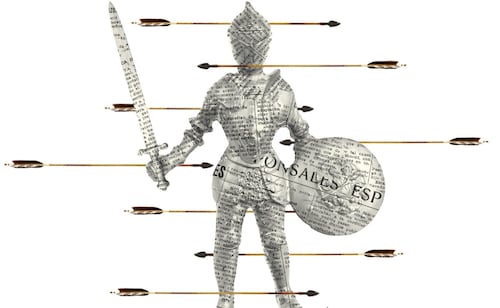
Public apologies seem to have become the new attraction of the vanity fair of celebrities.
These apologies, whether delivered through press conferences, television interviews, social media videos, or written statements, are crucial for damage control. Their success, however, depends heavily on the credibility of the individual offering the apology. In Mexico and Latin America, numerous scandals involving artists, hosts, and celebrities have demonstrated that a poorly managed apology can exacerbate a crisis.
Past incidents involving figures like Gloria Trevi, Kate del Castillo, Julión Álvarez, Pablo Lyle, and Sasha Sokol, among many others, highlight the high stakes. The collective memory, amplified by social media, scrutinizes these apologies intensely. The article notes that half-truths, evasiveness, or outright lies often backfire, revealing the "bad actors" and further damaging their public image.
In the last 50 years, Mexico and Latin America have witnessed some of the most scandalous episodes in which artists, conductors, and celebrities resorted to press conferences, television interviews, social media videos, or statements to try to repair their image.
Some celebrities, like Laura Bozzo and Alfredo Adame, have repeatedly offered ineffective apologies, their credibility already eroded before subsequent incidents. The piece contrasts this with past decades, where public figures like Jorge Vargas and Enrique Guzmán faced accusations without the immediate, widespread public forum of the internet. Today, online platforms allow for instant judgment and condemnation, often turning minor errors into major scandals where context is frequently lost amidst the fervor of online "funa" (public shaming).
The difference between the results of these and many other image crisis moments lies in damage control.
DistantNews Editorial
Originally published by El Universal in Spanish. Translated, summarized, and contextualized by our editorial team with added local perspective. Read our editorial standards.
More Stories

From Our Blog

What Press Freedom Means for the News You Read

What Gets Lost (and Found) When News Is Translated

The Critical Role of Diaspora Media in Global News

What Travellers Should Know About Countries with Restricted Press

A Digital Nomad's Guide to Following Local News
