

Putin's Ally Shifts? Serbia's President Attends Kyiv Summit, Sparking Debate
Translated from Romanian, summarized and contextualized by DistantNews.
At a glance
Analysis
Named sources
New plan
- Serbian President Aleksandar Vučić attended the Eastern Europe-Ukraine Summit in Kyiv, a move that has sparked debate.
- Vučić's presence is seen as a potential shift away from Russia, a traditional ally, and could benefit Serbia's EU integration.
- Analysts are divided on whether this signals a genuine change in Belgrade's geopolitical alignment.
Serbian President Aleksandar Vučić's surprise appearance at the Eastern Europe-Ukraine Summit in Kyiv has ignited considerable discussion, with experts offering varied interpretations of the move. The visit marks a significant departure for Serbia, a nation historically aligned with Russia.
Vučić's decision to attend the summit, which included European Commission President Ursula von der Leyen, is being viewed by some as a positive step toward closer ties with the European Union. For Romania, which has faced challenges due to Serbia's traditional alliance with Russia and Hungary's pro-Russian stance, Serbia moving closer to Brussels would be welcome news.
From my point of view, beyond his extremely complex political situation, it is a positive fact. Serbia remains oriented towards the European Union. Vučić's presence there is not accidental, considering also the presence of the President of the European Commission, Ursula von der Leyen.
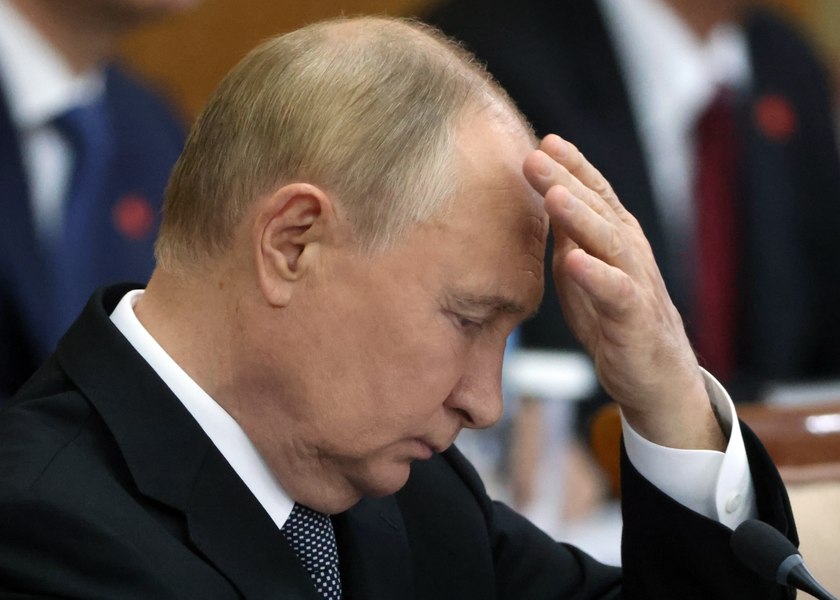
However, the geopolitical implications for Russia and Vladimir Putin could be substantial if Serbia were to significantly distance itself from Moscow. Analysts remain divided on the true meaning of Belgrade's apparent shift in orientation. General Virgil Bălăceanu, a former Romanian representative to NATO, believes Serbia should be encouraged toward European integration, suggesting that Belgrade has been somewhat abandoned by both Moscow and Brussels.
Bălăceanu cautioned that the region's inherent unpredictability could create major vulnerabilities. He noted that Serbia itself appears undecided about its future path and is not receiving sufficient encouragement from Brussels. The general suggested that Washington, particularly during the Trump administration, had shown more attention to Belgrade.
Serbia is not entirely decided on which path it should take. It is not encouraged by Brussels either. To some extent...
DistantNews Editorial
Originally published by Adevărul in Romanian. Translated, summarized, and contextualized by our editorial team with added local perspective. Read our editorial standards.
More Stories

From Our Blog

What Gets Lost (and Found) When News Is Translated

The Critical Role of Diaspora Media in Global News

What Travellers Should Know About Countries with Restricted Press

A Digital Nomad's Guide to Following Local News

How the Same Story Looks Different in Different Countries
