


Quake damage cost equivalent to 6% of Venezuela’s GDP - UN
Summarized and contextualized by DistantNews.
At a glance
News
Official statement
Outcome reported
- Twin earthquakes in Venezuela have caused an estimated $6.7 billion in physical damage, according to a UN assessment.
- This figure represents approximately 6% of Venezuela's GDP, but excludes broader economic disruption and long-term reconstruction costs.
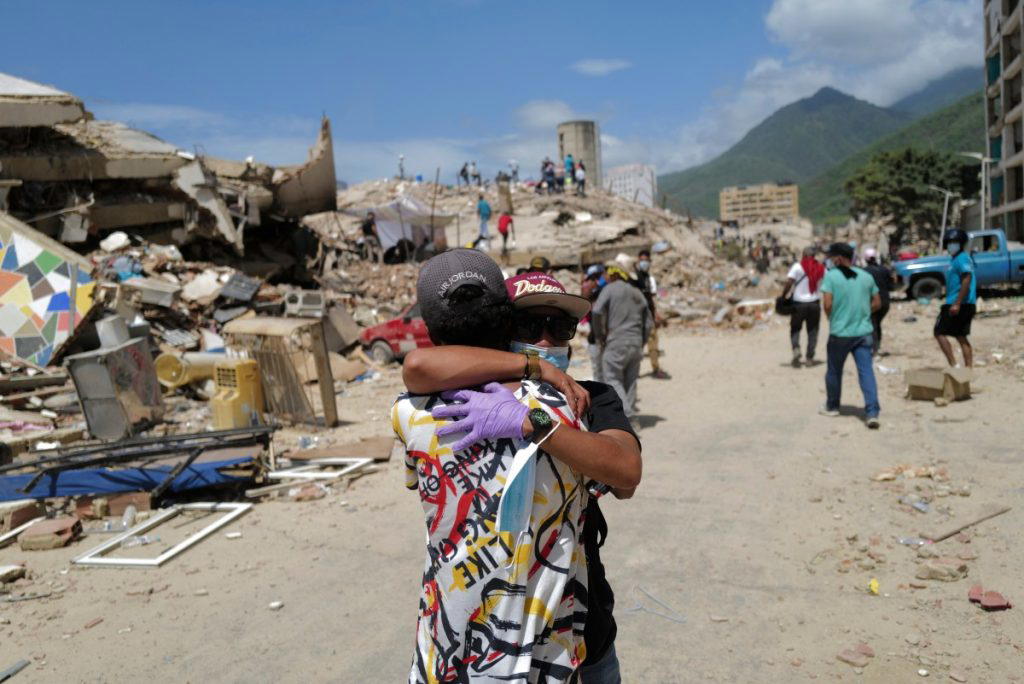
- The quakes struck densely populated areas near the northern coast, impacting millions and leaving many without basic needs.
The recent twin earthquakes that struck Venezuela have resulted in significant physical damage, estimated at $6.7 billion by the United Nations Development Programme (UNDP). This preliminary assessment, based on seismic modeling, satellite imagery, and population data, equates to about six percent of the nation's Gross Domestic Product.
The UNDP's statement highlighted that the back-to-back tremors hit major population and economic centers along Venezuela's northern coast. Areas including the capital, Caracas, and the states of La Guaira, Carabobo, Miranda, Yaracuy, and Aragua were severely affected. The estimate of $6.7 billion covers losses to housing and economic assets, but the UN agency stressed that it does not include damage to infrastructure, wider economic disruption, or the costs associated with long-term reconstruction.
Direct physical damage is estimated at $6.7 billion (range of $4.7 billion to $8.7 billion), driven by losses to housing and economic assets.
While the direct physical damage is substantial, the UN indicated that the total economic impact could be between 1.5 and three times this amount. The disaster has had a profound human cost, with the death toll reaching 1,430 by June 27, and millions more feared to be lacking essential sanitation and basic needs. The first US aid flights began trickling into Caracas as the nation grapples with the aftermath of this devastating event.
This does not include infrastructure damage, wider economic disruption and longer-term reconstruction costs.
DistantNews Editorial
Originally published by Vanguard. Summarized and contextualized by our editorial team with added local perspective. Read our editorial standards.
More Stories


From Our Blog

How the Same Story Looks Different in Different Countries

What Gets Lost (and Found) When News Is Translated

The Critical Role of Diaspora Media in Global News

What Travellers Should Know About Countries with Restricted Press

A Digital Nomad's Guide to Following Local News
